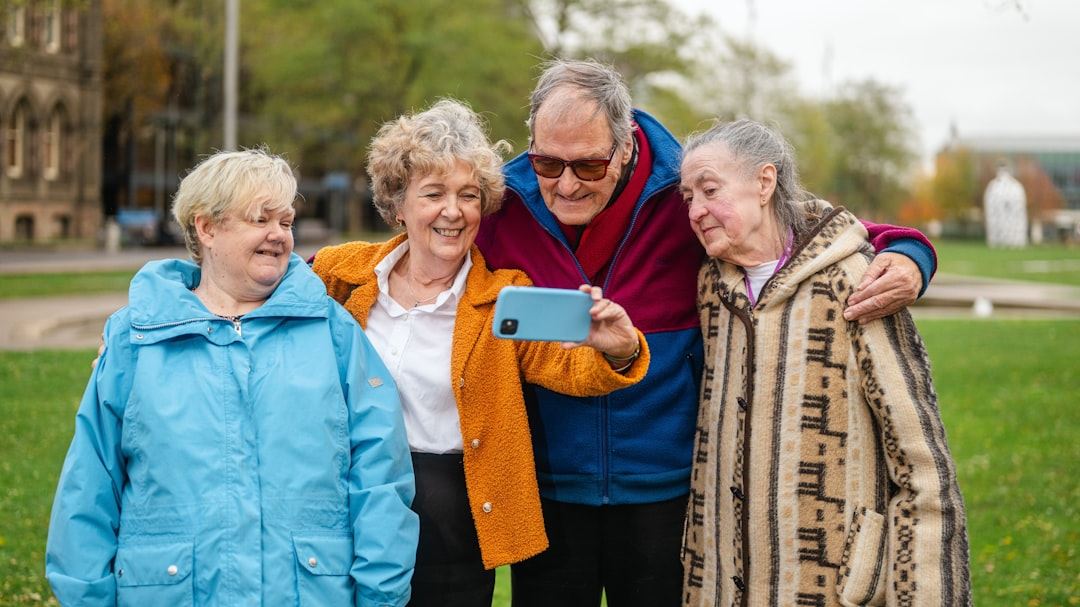
Smartphone Tutorial for Elderly: A Comprehensive Guide to Easy and Secure Mobile Usage
December. 03,2025
This detailed smartphone tutorial for elderly offers a comprehensive, easy-to-follow guide to help seniors navigate their devices with confidence. Covering device selection, setup, basic operations, security, and advanced features, it empowers seniors to stay connected and secure in today's digital age. Ideal for beginners and tech-shy users, the guide combines practical steps with expert insights for a seamless smartphone experience tailored to elderly needs.

Introduction: Embracing Technology for a Better Life
In today’s digital age, smartphones have become essential tools for communication, entertainment, and daily activities. For seniors, adopting smartphone technology can significantly enhance independence, safety, and social connection. However, many elderly individuals face challenges such as unfamiliarity with new features or apprehension about security. This expansive smartphone tutorial for elderly aims to empower seniors with practical knowledge and confidence, ensuring they can navigate their devices easily and safely.
Understanding the Needs of Elderly Users
Smartphone usage varies greatly among seniors, influenced by factors such as physical dexterity, visual acuity, cognitive ability, and prior exposure to technology. Recognizing these diverse needs is crucial when designing a smartphone tutorial that is accessible and effective. Elderly users often prioritize clear interfaces, straightforward commands, and reliable security features. Tailoring the tutorial to address these aspects ensures better engagement and adoption.
Getting Started: Choosing the Right Smartphone
Assessing Personal Needs and Preferences
Before diving into tutorials, it’s vital for seniors to select a device that matches their comfort level. Considerations include screen size, operating system, button placement, and customizability. For example, larger screens with high contrast displays support better visual accessibility, while simplified interface options reduce complexity.
Popular Devices for Elderly Users
Devices like the Apple iPhone with its accessibility features, Samsung Galaxy series with customizable settings, and dedicated senior-friendly phones from brands like Jitterbug provide excellent starting points. Consulting with tech experts or visiting stores for hands-on experience can help in making an informed choice.
Step-by-Step Smartphone Setup for Elderly
Initial Device Configuration
Setting up the device involves choosing user-friendly options. Enable larger fonts and icons via accessibility settings, activate speech recognition, and set up emergency contacts. Many devices offer simplified modes designed specifically for seniors to reduce accidental taps and streamline navigation.
Installing Essential Apps
Guidance on installing communication apps like FaceTime, WhatsApp, or Skype ensures seniors can maintain social connections. Additionally, installing security apps, medical alert apps, and favorite entertainment or news apps keeps the device useful and secure.
Navigating the Smartphone Interface
Understanding Basic Functions
Start with core functions such as making calls, sending messages, adjusting volume, and managing contacts. Demonstrate how to use navigation buttons or gestures, depending on the device, in a way that matches the user’s physical comfort.
Customizing Settings for Ease of Use
Adjust screen brightness, enable text-to-speech features, and customize home screens with large icons. Teach the importance of setting up voice commands and gesture controls for those with dexterity challenges.
Security and Privacy Tips for Elderly Users
Protecting Personal Information
Explain the significance of strong passwords, biometric authentication, and enabling two-factor verification. Encourage regular updates and anti-virus scans to maintain device security.
Recognizing Scams and Phishing Attempts
Educate on identifying suspicious messages, calls, and links. Provide tips for avoiding scams, such as not sharing personal information and verifying contacts.
Advanced Features and Tips
Using Voice Assistants
Teaching how to activate Siri or Google Assistant enables hands-free operation for setting reminders, making calls, or searching the web efficiently.
Sharing Photos and Staying Connected
Guide seniors through sharing media via social media or messaging platforms. Emphasize the importance of digital literacy for maintaining social bonds.
Overcoming Common Challenges
Physical Difficulties
Suggest adaptive tools like styluses or voice commands to combat dexterity issues. Also, recommend ergonomic cases for comfort.
Technical Troubleshooting
Provide simple troubleshooting steps for common issues, such as app crashes, connectivity problems, or forgotten passwords. Encourage seeking help from family or professionals when necessary.
Resources and Support for Elderly Smartphone Users
List local classes, online tutorials, and tech support services dedicated to seniors. Additionally, highlight community centers offering tech workshops tailored for the elderly.
Conclusion: Empowering Seniors for a Connected Digital Life
Adopting a smartphone with confidence allows elderly users to stay connected, access vital information, and enjoy leisure activities. This comprehensive smartphone tutorial for elderly integrates practical steps with empathetic guidance, ensuring seniors can harness technology safely and effectively, enriching their lives in meaningful ways.