Comprehensive Guide to Elderly Home Support in the United States
December. 07,2025
This comprehensive guide explores elderly home support in the United States, covering service types, challenges, policies, and real-world scenarios. Discover how innovative solutions and supportive policies help seniors age comfortably and safely at home, and learn how families can navigate available options for enhanced elderly care.

Understanding Elderly Home Support: An Introduction
As the aging population in the United States continues to grow, ensuring seniors have access to quality elderly home support has become a critical aspect of community health and well-being. Elderly home support encompasses a wide range of services designed to assist seniors in maintaining independence, safety, and quality of life within their own homes. This article provides an in-depth look at the various facets of elderly home support, highlighting options, challenges, and best practices.
Types of Elderly Home Support Services
In-Home Care Services
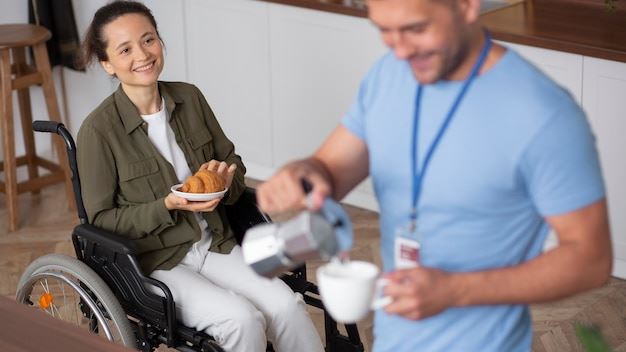
In-home care is one of the most flexible options for elderly support, involving professional caregivers, such as home health aides or nurses, who provide assistance with daily activities like bathing, dressing, medication management, and meal preparation. Many seniors prefer to age in place, and in-home care facilitates this by offering personalized support tailored to individual needs. For example, a retired veteran with mobility issues might receive regular visits from a caregiver to assist with mobility and medication adherence.
Adult Day Care Programs
Adult day care centers serve as a daytime refuge where seniors can receive social interaction, health monitoring, and structured activities. These facilities benefit both seniors and their families by providing respite care, allowing family caregivers to work or attend to personal matters while ensuring their loved ones are engaged and cared for in a safe environment.
Assistive Technologies and Home Modifications
Advances in technology and home adaptations play a vital role in elderly support. Installing grab bars, ramps, and stairlifts enhances safety, while emergency alert systems provide peace of mind. Innovative devices such as fall detectors, medication dispensers, and smart home automation help seniors maintain independence and respond promptly to emergencies. For instance, a senior with early-stage dementia might benefit from a GPS-enabled wearable to ensure safety during outdoor activities.
Challenges in Providing Elderly Home Support
Financial Barriers
One of the most significant hurdles is affordability. Many elderly individuals rely on Medicare, Medicaid, or private insurance, but coverage can be limited. High out-of-pocket expenses may restrict access to necessary services. Policymakers are exploring ways to increase funding and expand coverage options to address this gap.
Workforce Shortages and Quality of Care
The demand for qualified caregivers exceeds supply, leading to staffing shortages and concerns over the quality of elderly home support. Addressing this requires investments in training programs, better wages, and improved working conditions to attract and retain skilled professionals.
Safety and Emergency Preparedness
Ensuring safety at home involves not only physical modifications but also preparedness for emergencies. Regular safety assessments, caregiver training, and emergency planning are essential components of comprehensive elderly support strategies.
Legal and Policy Frameworks Supporting Elderly Home Support
Federal and state policies in the United States play a pivotal role in shaping elderly home support services. Programs such as Medicaid provide funding for home and community-based services, while the Older Americans Act supports numerous senior assistance initiatives. Understanding these policies helps families navigate available options and advocate effectively for their loved ones.
Case Studies and Real-World Scenarios
Case Study 1: Aging in Place with Assistive Technologies
Jane, a 78-year-old widow living alone, faced mobility challenges. Her family collaborated with a home health agency to install sensor-based lighting, a fall detection system, and a medication reminder app. These measures enabled Jane to live independently longer, reducing hospital visits and enhancing her overall quality of life.
Case Study 2: Caregiver Support and Respite Services
Michael cares for his mother who suffers from Parkinson's disease. To prevent caregiver burnout, he utilized adult day care services during the day and engaged respite care providers periodically. This approach provided essential relief, ensuring consistent quality care for his mother and preserving Michael's well-being.
Future Perspectives: Innovations and Policy Developments
Emerging technologies like artificial intelligence, remote monitoring, and telehealth are transforming elderly home support. Policy reforms aimed at expanding accessible services and funding mechanisms are also on the horizon. Embracing these innovations will be key to meeting the growing demand for senior care in the United States.