Understanding the Echocardiogram Procedure Expect: A Comprehensive Guide for Patients
November. 28,2025
Learn everything you need to know about what to expect during an echocardiogram in the United States. This comprehensive guide covers preparation, procedure steps, post-test expectations, and expert tips to help you navigate your cardiac imaging with confidence.

Introduction to the Echocardiogram Procedure Expect
Understanding what to expect during an echocardiogram can help alleviate patient anxiety and ensure smoother experiences. An echocardiogram, often referred to as an echo, is a vital diagnostic tool that provides real-time images of the heart's structure and function. For patients scheduled for this procedure in the United States, knowing the steps involved, preparation tips, and what the results might reveal can make the process more transparent and less intimidating.
What is an Echocardiogram?
An echocardiogram is a non-invasive ultrasound imaging test that uses high-frequency sound waves to produce detailed images of the heart. It allows healthcare providers to assess various aspects of cardiac health, including heart chamber size, wall motion, valve function, and blood flow. Based on these images, physicians can diagnose conditions like heart valve disease, cardiomyopathy, and congenital heart defects.
The Echocardiogram Procedure Expect: Step-by-Step Breakdown
Preparation for the Test
Patients are generally advised to wear comfortable clothing and may need to avoid caffeine or heavy meals prior to the procedure. Certain types of echocardiograms, such as transesophageal echocardiograms, might require fasting and sedation. It is also essential to inform the technician about any existing medical conditions or allergies.
The Procedure Itself
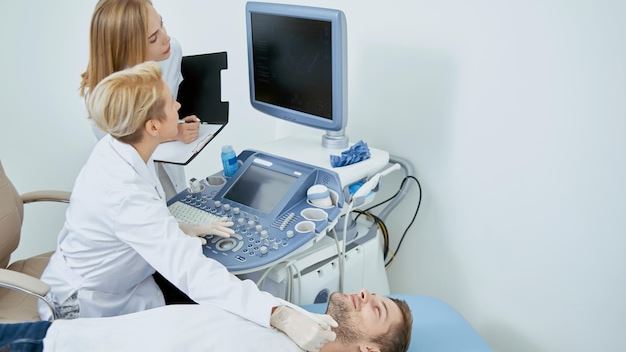
The typical transthoracic echocardiogram (TTE), the most common type, involves lying on an examination table. A technician applies a conductive gel on the chest to facilitate sound wave transmission and places a transducer (a handheld ultrasound device) on various chest locations. The transducer emits sound waves that bounce off the heart structures, creating images displayed on a monitor.
What to Expect During the Test
During the procedure, patients might feel slight pressure from the transducer but should not experience significant discomfort. The test usually lasts between 30 to 60 minutes. For transesophageal echocardiograms, patients are given sedation and have a probe inserted through the mouth into the esophagus, which requires a different preparation process and post-procedure care.
Post-Procedure Expectations
After an echocardiogram, patients can usually resume normal activities immediately unless sedatives were used. The healthcare team will review the images and provide preliminary results to your doctor, who will discuss the findings during your follow-up appointment.
Common Questions About the Echocardiogram Expect
Patients often ask about the necessity of the test, potential discomfort, and safety considerations. Echocardiograms are considered safe, as they do not involve radiation. However, knowing what to expect can help set realistic expectations and reduce anxiety.
Expert Advice and Tips for a Successful Echocardiogram
Technicians recommend arriving early, wearing loose clothing, and following any specific instructions provided. Communicating openly about any discomfort or medical concerns can ensure a smoother process. Remember, an echocardiogram is a valuable tool in maintaining your heart health.
Conclusion
Understanding the echocardiogram procedure expect is essential for patients facing this important diagnostic test. With proper preparation and knowledge, you can approach your echocardiogram with confidence, ensuring accurate results that will guide your medical care effectively.