Understanding the Echocardiogram Procedure: A Comprehensive Guide for Patients
This comprehensive guide explores the echocardiogram procedure, detailing the types, preparation, process, and significance of this vital cardiac diagnostic tool. Perfect for patients seeking clarity on what to expect and why it matters in heart health management.
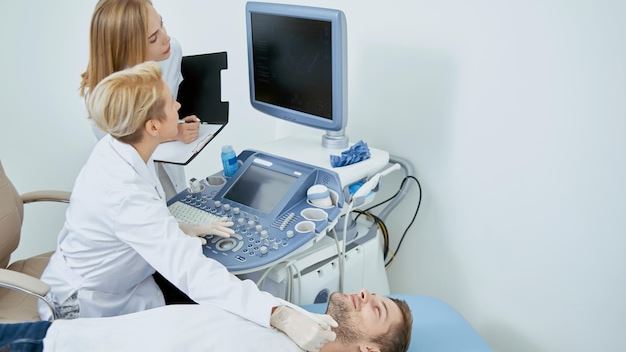
Introduction to the Echocardiogram Procedure
An echocardiogram, also known as an echo, is a non-invasive diagnostic test that uses ultrasound waves to produce images of the heart. This procedure provides vital information about the size, structure, and function of the heart and its valves. For many patients, understanding what to expect during an echocardiogram procedure can alleviate anxiety and enhance cooperation, leading to more accurate results.
Types of Echocardiogram Procedures
1. Transthoracic Echocardiogram (TTE)
The most common type, transthoracic echocardiogram, involves placing a transducer on the chest wall to capture images of the heart. This procedure typically takes 30 to 60 minutes and is painless. Patients are usually asked to lie on their left side to improve image quality.
2. Transesophageal Echocardiogram (TEE)
This more detailed procedure involves inserting a specialized transducer down the esophagus to obtain clearer images of the heart's structures, especially in patients with obesity or lung disease. TEE requires sedation and local anesthesia and is usually performed in a hospital setting.
3. Stress Echocardiogram
This test evaluates how the heart performs under stress, often induced through exercise or medication. It combines standard echocardiography with a stress test to identify areas with poor blood flow or potential blockages.
The Echocardiogram Procedure: Step-by-Step Process
Preparation Before the Procedure
Most patients can resume their regular activities before the test. However, they may be instructed to avoid caffeine or certain medications. It is important to inform the technician about any allergies or health conditions.
The Procedure Itself
During a transthoracic echo, the technician applies a gel to the chest and moves the transducer to capture images. Patients may be asked to breathe in specific ways to optimize image quality. During TEE, sedation is administered, and the transducer is guided into the esophagus under monitoring. The process of capturing images usually lasts between 30 and 90 minutes.
Post-Procedure Recommendations
After a transthoracic echo, patients can resume normal activities immediately. Post-TEE, patients are advised to rest until sedation wears off. The doctor will discuss the results and any further steps needed.
Interpreting Echo Results and Follow-Up
The cardiologist examines the images to assess heart health, evaluate valve function, and detect anomalies such as cardiomyopathy, congestive heart failure, or congenital defects. Based on the findings, treatment plans or additional tests may be recommended.
Why the Echocardiogram Procedure is Essential
An echocardiogram is a cornerstone in diagnosing cardiovascular conditions. It is a safe, effective, and versatile tool that provides real-time data on heart function. Physicians rely on these images to make informed decisions regarding medications, surgical interventions, or lifestyle modifications.
Real-World Scenarios and Patient Experiences
Many patients report feeling reassured after undergoing an echocardiogram, especially when it confirms the absence of significant issues. Conversely, early detection of problems allows for timely treatment, improving long-term outcomes. Case studies highlight how the procedure has helped in diagnosing complex cases, such as differentiating between cardiac and non-cardiac chest pain.
Expert Insights and Advances in Echocardiogram Technology
Cardiologists emphasize the importance of high-quality imaging for accurate diagnosis. Advances like 3D echocardiography and contrast-enhanced images have enhanced diagnostic capabilities. Experts advocate for routine use of echocardiograms in at-risk populations, including those with hypertension or a family history of heart disease.
Conclusion: Making Informed Decisions About Your Heart Health
Understanding the echocardiogram procedure empowers patients to participate actively in their healthcare journey. By knowing what to expect and recognizing its significance, patients can approach the procedure with confidence and ensure optimal care outcomes.