Understanding the Bone Density Test Procedure: A Comprehensive Guide for Americans
Learn everything about the bone density test procedure in this comprehensive guide. Understand how the test is performed, what to expect, and how the results can impact your bone health. Expert insights and real-world scenarios highlight the importance of early detection and proactive measures to prevent osteoporosis and fractures in Americans.
Introduction to Bone Density Testing
Bone density tests have become essential tools in diagnosing osteoporosis and assessing fracture risk among millions of Americans. Understanding the bone density test procedure allows patients to approach the process confidently and make informed healthcare decisions. This article offers a detailed, expert-driven overview of what to expect during your bone density testing, emphasizing the importance of accurate diagnosis and early intervention.
What Is a Bone Density Test?
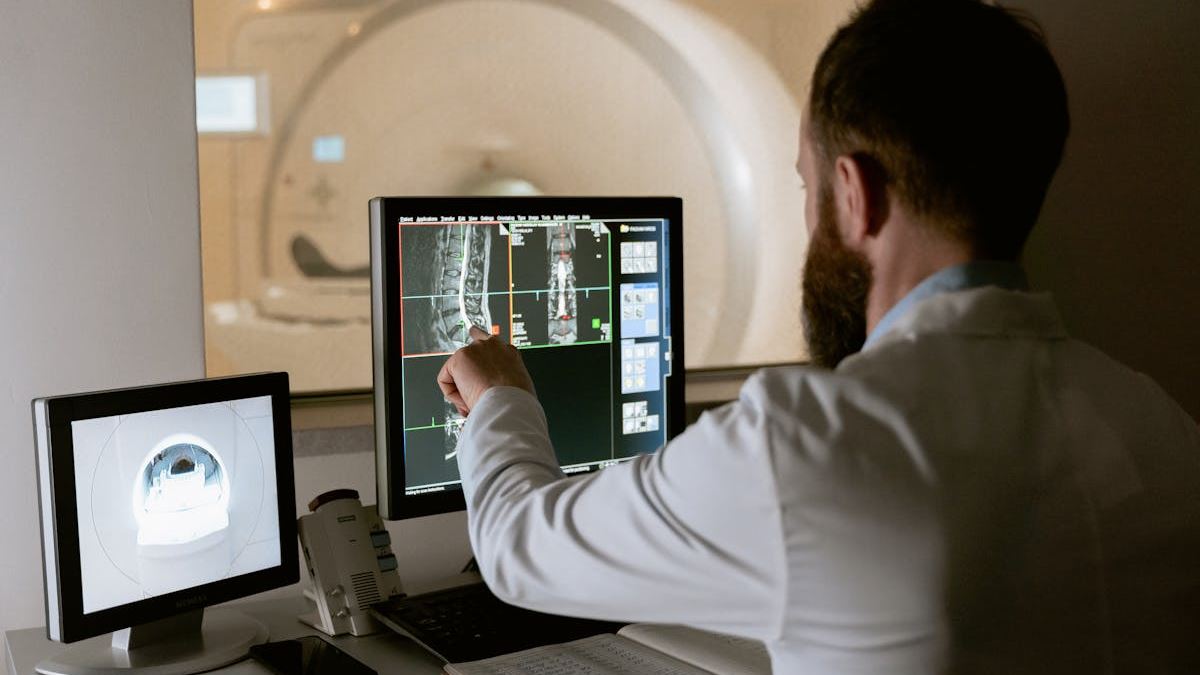
A bone density test, also called dual-energy X-ray absorptiometry (DXA or DEXA), measures the mineral content in your bones, primarily focusing on the hips, spine, and forearm. It provides crucial information about bone strength and quality, helping healthcare professionals evaluate the risk of fractures or osteoporosis. The test is quick, non-invasive, and involves minimal radiation exposure.
The Comprehensive Bone Density Test Procedure
Preparation Before the Test
Before undergoing a bone density test, patients are advised to avoid calcium supplements or certain medications for at least 24 hours. Clothing should be free of metal objects like jewelry or belts, as these can interfere with the results. Patients should also inform their technician about any recent scans or medical procedures involving contrast dyes.
The Step-by-Step Testing Process
The typical process involves the following steps:
- Arrival and Check-In: Patients check in at the imaging center or hospital, where they are registered and prepared for the procedure.
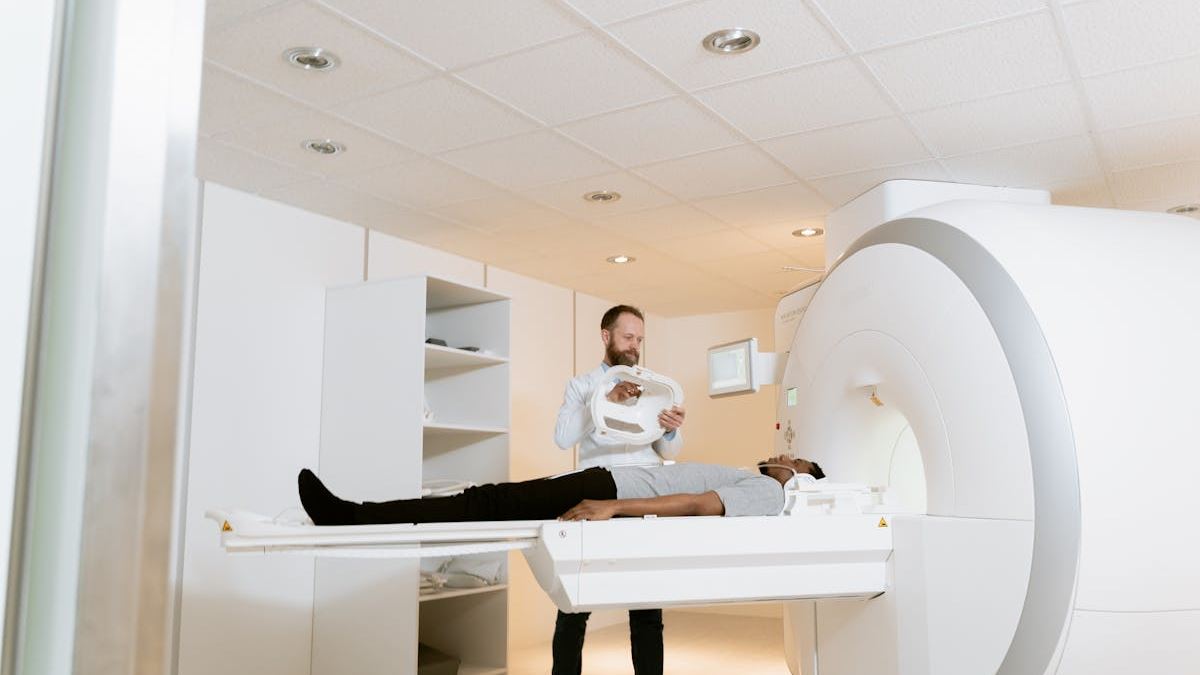
- Positioning: The patient lies on a padded table, with specific positioning depending on the area being examined (hip, spine, or forearm). Technicians use straps or cushions to ensure immobilization.
- Scanning: The DXA machine's arm moves over the targeted bones, emitting low-dose X-rays. The scan usually takes about 10-30 minutes, depending on the areas tested.
- Data Collection: The machine captures images and calculates bone mineral density (BMD) scores in real-time, which are then analyzed by specialists.
Post-Test Procedures and Follow-up
There is no special recovery or downtime after a bone density test. Patients can resume normal activities immediately. The results are reviewed by a radiologist or endocrinologist, who discusses the findings with the patient and recommends further action if necessary.
Understanding the Results of Your Bone Density Test
Results are reported as T-scores and Z-scores, which compare your bone density to standard values. A T-score of -1.0 or above indicates normal bone density, while scores below -2.5 suggest osteoporosis. Healthcare providers use these scores to develop personalized treatment plans and preventive strategies.
Expert Insights and Real-World Scenarios
Dr. Jane Smith, a leading endocrinologist, emphasizes that early detection through a bone density test procedure can drastically reduce fracture risks. For instance, an elderly patient with a confirmed diagnosis of osteoporosis can begin medication and lifestyle changes that strengthen bones and prevent serious fractures.
Conclusion: The Importance of Regular Bone Health Assessments
Understanding the bone density test procedure empowers individuals to monitor their skeletal health proactively. Regular screenings are especially crucial for postmenopausal women, older adults, and those with risk factors for bone loss. Consulting with healthcare providers ensures that your bone health remains a priority.