Understanding LASIK Surgery: A Comprehensive Guide for Prospective Patients in the United States
Explore our comprehensive guide on LASIK surgery in the United States. Learn about the procedure, benefits, risks, costs, and tips for choosing the right surgeon. Find out if LASIK is right for you and discover real success stories that showcase life-changing results.
Introduction to LASIK Surgery
LASIK surgery has revolutionized vision correction, offering millions in the United States a chance to reduce or eliminate dependence on glasses and contact lenses. As an outpatient procedure performed by specialized ophthalmologists, LASIK has become one of the most popular elective surgeries, known for its safety and high success rate.
What Is LASIK Surgery?
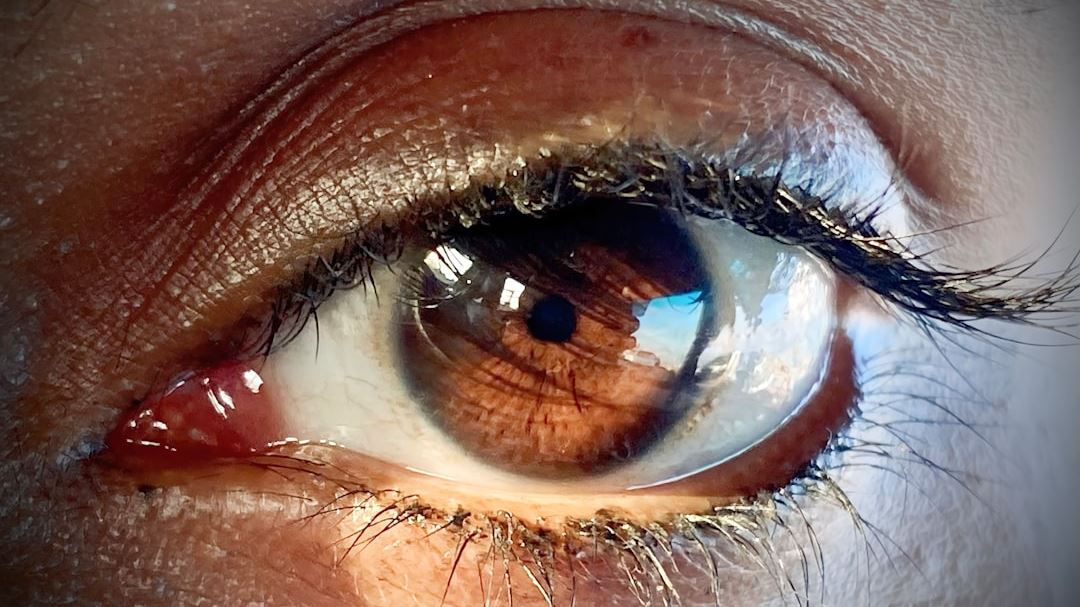
LASIK, or Laser-Assisted In Situ Keratomileusis, is a surgical procedure that reshapes the cornea—the clear front part of the eye—to improve vision. It corrects common refractive errors such as nearsightedness (myopia), farsightedness (hyperopia), and astigmatism. During the procedure, a laser is used to remove microscopic amounts of corneal tissue to alter its curvature, enabling light to focus correctly onto the retina.
The LASIK Procedure: Step-by-Step
Pre-Operative Consultation
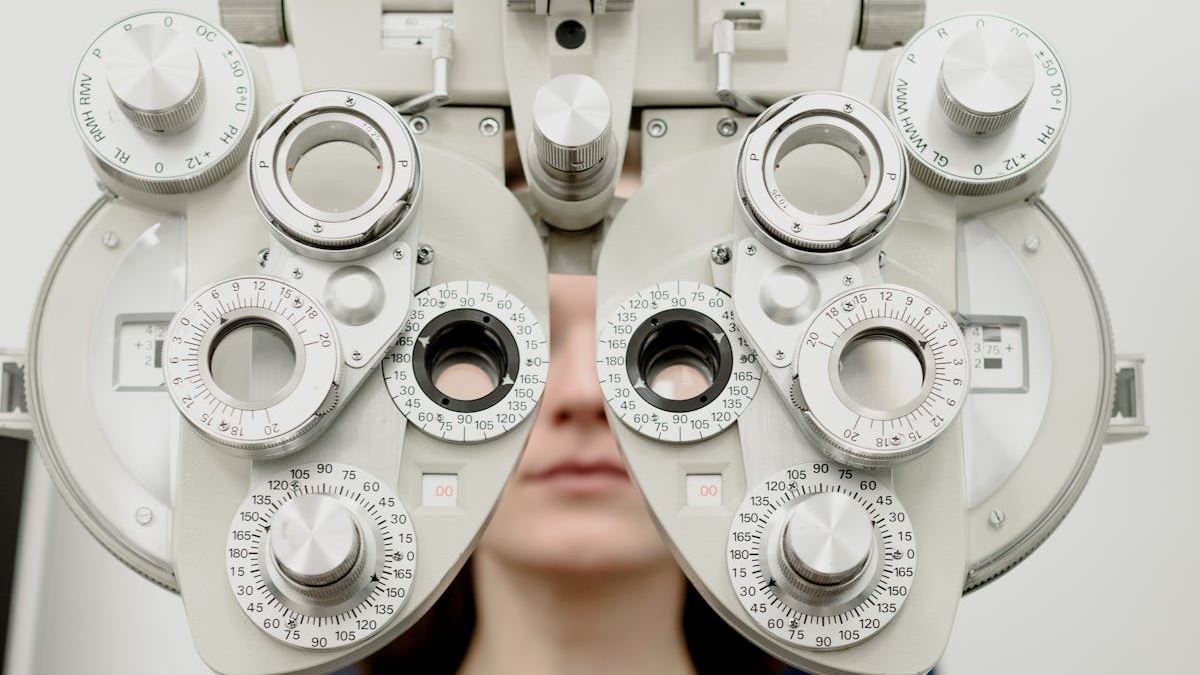
Before undergoing LASIK, patients receive a comprehensive eye exam to determine candidacy. Factors such as corneal thickness, eye health, and visual history are evaluated. The ophthalmologist discusses expectations, potential risks, and alternatives.
Preparation for Surgery
On the day of surgery, numbing eye drops are administered, and a sedative may be given for relaxation. The patient is guided to lie on an exam chair, and the eye is cleaned.
The Surgical Process
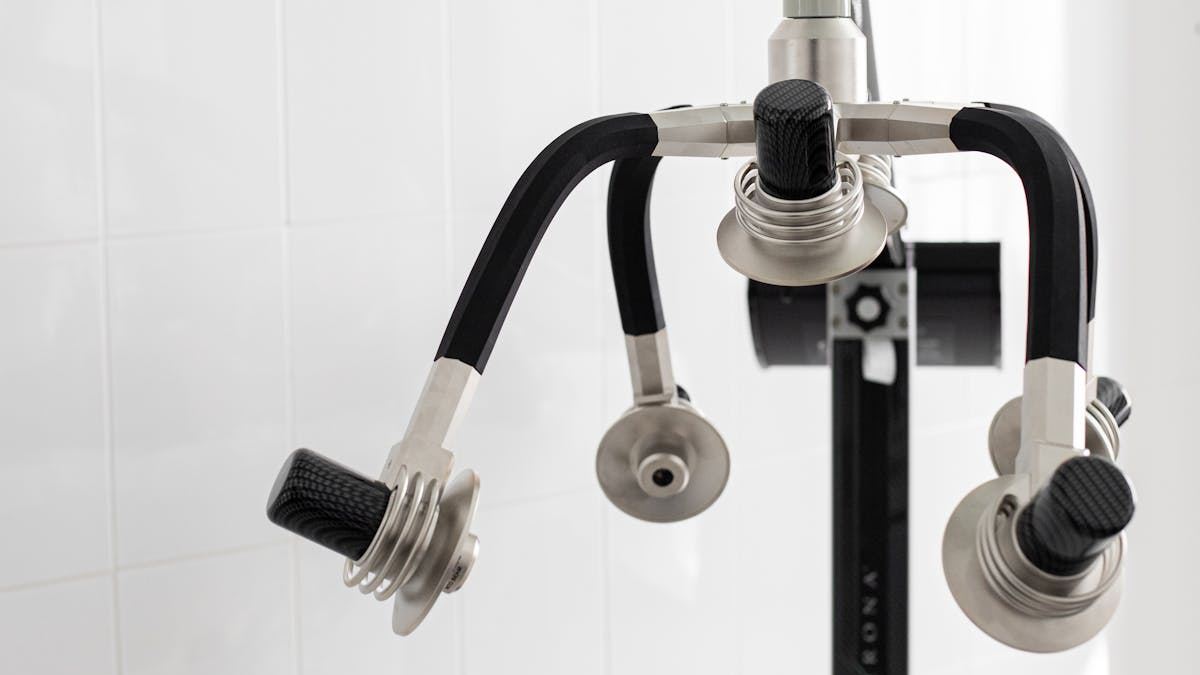
Using a specialized instrument called a microkeratome or femtosecond laser, the surgeon creates a thin corneal flap. This flap is gently lifted to expose the underlying corneal tissue. A laser then precisely reshapes the cornea based on a detailed treatment plan, correcting the refractive error. The flap is repositioned, adhering naturally without sutures.
Benefits of LASIK Surgery
Patients experience rapid visual recovery, typically within 24 hours, and enjoy long-lasting results. LASIK offers benefits such as improved clarity, reduced dependence on corrective lenses, and quick, minimally invasive procedures.
Risks and Considerations
While LASIK is highly successful, potential risks include dry eyes, glare, halos, undercorrections, or overcorrections. Proper patient selection and thorough preoperative assessment significantly reduce these risks. Discussing concerns with a qualified ophthalmologist is essential.
The Cost of LASIK Surgery in the U.S.
Pricing varies depending on factors like surgeon expertise, technology used, and geographic location. On average, LASIK costs range from $2,000 to $3,500 per eye. Many providers offer financing options, and insurance typically does not cover elective LASIK procedures.
Choosing the Right LASIK Surgeon
Select a surgeon with extensive experience, proper credentials, and positive patient reviews. Verify that the facility uses up-to-date laser technology. An initial consultation should clarify procedural details, expected outcomes, and post-operative care.
Real-World Scenarios: Success Stories and Cautionary Tales
Many patients report life-changing improvements after LASIK. For example, avid athletes and active individuals often highlight the convenience of no longer relying on glasses during sports. Conversely, some cases reveal the importance of realistic expectations and proper candidacy.
The Future of LASIK and Refractive Surgery
Technological advancements, such as wavefront-guided laser treatments and SMILE procedures, continue to enhance the safety and outcomes of vision correction surgeries. Ongoing research aims to make procedures even more precise, minimally invasive, and accessible.
Conclusion
LASIK surgery presents a safe, effective pathway to improved vision for many prospective patients in the United States. However, thorough consultation, understanding risks, and selecting an experienced surgeon are key to optimal results. If you're considering LASIK, undergo comprehensive evaluation and ask your ophthalmologist about personalized options and expectations.