Comprehensive Guide to LASIK Eye Surgery: What You Need to Know Before Your Procedure
November. 24,2025
Explore our comprehensive guide to LASIK eye surgery tailored for residents in the United States. Learn about the procedure, candidacy criteria, benefits, risks, and what to expect before and after surgery. Make an informed decision with expert insights and real-world scenarios to enhance your eye health journey.

Understanding LASIK Eye Surgery: An Introduction
Lasik eye surgery has revolutionized vision correction, offering millions in the United States a chance to see clearly without dependence on glasses or contact lenses. This minimally invasive procedure employs advanced laser technology to reshape the cornea, correcting common refractive errors such as myopia, hyperopia, and astigmatism. For those considering LASIK, understanding its fundamentals, benefits, and risks is essential for making an informed decision.
The Medical Procedure: What Happens During LASIK?
LASIK (Laser-Assisted In Situ Keratomileusis) is performed as an outpatient procedure, typically taking less than 30 minutes per eye. The process involves creating a thin corneal flap using a microkeratome or femtosecond laser, lifting it to expose the underlying corneal tissue. A computer-controlled excimer laser then reshapes the cornea by removing precise amounts of tissue. The flap is repositioned, adhering naturally without stitches. This reshaping allows light entering the eye to properly focus onto the retina, improving vision dramatically.
Who Are Suitable Candidates for LASIK?
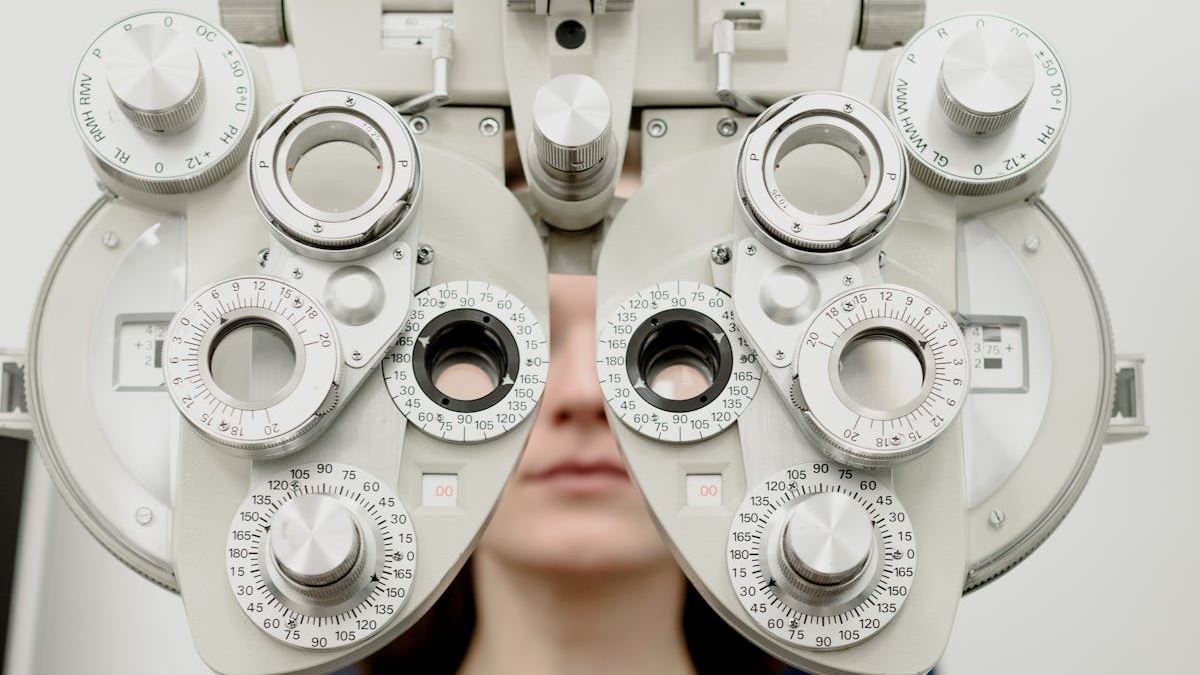
Determining candidacy is a critical step in the LASIK journey. Ideal candidates are typically aged 18 and above with stable vision for at least a year, and have a refractive error within a certain range. Candidates should have healthy corneas and avoid eye conditions such as keratoconus, cataracts, or severe dry eye. An initial comprehensive eye examination by an ophthalmologist is necessary to assess suitability, including corneal topography, pupil size, and overall eye health.
Benefits of LASIK Eye Surgery
Many patients experience immediate improvements in vision, often within 24 hours. The procedure boasts a high success rate, with over 96% of patients achieving 20/20 or better vision. Benefits include:
- Reduced or eliminated dependence on glasses or contact lenses
- Quick recovery time, often returning to normal activities within a day
- Minimal discomfort during and after the procedure
- Long-lasting results with minimal maintenance
Understanding the Risks and Potential Complications
While LASIK is generally safe, it’s essential to weigh potential risks. Complications could include dry eyes, glare, halos, or under/overcorrections leading to residual refractive errors. Rare but serious issues might involve corneal ectasia or infection. Discussing these risks with a qualified ophthalmologist helps set realistic expectations and ensures proper preoperative evaluation to minimize risks.
Postoperative Care and Follow-Up
Proper postoperative care is vital for optimal results. Patients should use prescribed eye drops, avoid rubbing eyes, and refrain from strenuous activities initially. Follow-up appointments allow the doctor to monitor healing and address any concerns promptly. Most patients experience significant vision improvement within the first few days, with continued stabilization over subsequent weeks.
Choosing the Right Surgeon and Facility
Selecting a qualified, experienced ophthalmologist is crucial. Look for board-certified surgeons with extensive LASIK experience and positive patient reviews. Facilities should be accredited and equipped with state-of-the-art technology. Consultation visits provide an opportunity to ask questions, see before-and-after photos, and discuss personalized treatment plans.
The Future of LASIK and Emerging Technologies
Advancements continue to enhance LASIK safety and outcomes. Innovations such as wavefront-guided LASIK and SMILE procedures offer customized corrections with potentially fewer side effects. Research into femtosecond laser technology and improved diagnostic tools promises even better precision and patient satisfaction. For those interested, keeping abreast of these developments is vital when considering your options.