Comprehensive Guide to Laser Eye Surgery: Revolutionizing Vision Correction in the United States
Explore our comprehensive guide on laser eye surgery, covering types, benefits, risks, cost considerations, and expert tips to help you decide if this revolutionary vision correction option is right for you in the United States.

Introduction to Laser Eye Surgery
Laser eye surgery has transformed the landscape of vision correction, offering millions of Americans a chance to see clearly without dependence on glasses or contact lenses. As technological advancements continue to enhance safety and effectiveness, understanding the nuances of laser eye surgery becomes essential for anyone considering this modern solution.
What Is Laser Eye Surgery?
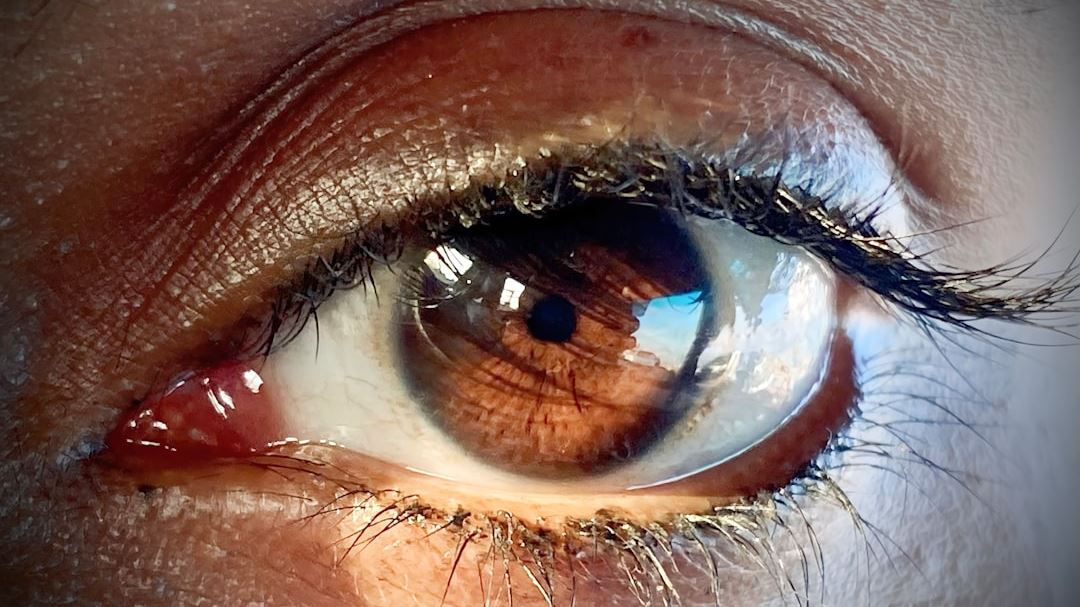
Laser eye surgery, also known as refractive surgery, encompasses various procedures designed to reshape the cornea and correct common visual impairments such as myopia (nearsightedness), hyperopia (farsightedness), and astigmatism. Using precise laser technology, surgeons modify the cornea's structure to improve its ability to focus light directly onto the retina.
The Most Common Procedures
The leading technique is LASIK (Laser-Assisted In Situ Keratomileusis), which involves creating a thin flap in the cornea before reshaping the underlying tissue. PRK (Photorefractive Keratectomy) is another popular technique, especially suitable for patients with thinner corneas. SMILE (Small Incision Lenticule Extraction) is a minimally invasive alternative gaining popularity for its quick recovery times.
Benefits of Laser Eye Surgery
Patients opting for laser eye surgery often experience remarkable improvements in their quality of life. Benefits include:
- Reduced dependency on glasses or contact lenses
- Quick recovery times
- High success rates
- Long-lasting results
Risks and Considerations
Despite its high success rate, laser eye surgery carries potential risks such as dry eyes, glare, halos, and under-corrections or over-corrections. Careful patient selection and consultation with experienced surgeons are crucial to mitigate these risks. Additionally, not everyone is an ideal candidate, particularly individuals with certain eye conditions or health issues.
Choosing the Right Surgeon and Facility
Ensuring safety and optimal outcomes starts with selecting a qualified, experienced surgeon. Prospective patients should seek clinics accredited by recognized authorities like the American Academy of Ophthalmology, read reviews, review before-and-after photos, and inquire about surgical procedures and complication management.
Procurement Process and Cost Considerations
The cost of laser eye surgery in the United States varies based on the procedure, surgeon expertise, and geographic location but typically ranges from $2,000 to $3,500 per eye. Insurance rarely covers elective refractive surgery, so patients should explore financing options and potential discounts.
What to Expect During and After Surgery
The procedure usually lasts less than 30 minutes per eye. Patients may experience temporary discomfort, dry eyes, or fluctuations in vision, but these generally resolve within days to weeks. Follow-up care includes eye drops, eye protection, and abstaining from activities like swimming or contact sports during recovery.
Final Thoughts: Is Laser Eye Surgery Right for You?
Laser eye surgery can significantly improve quality of life for suitable candidates. However, comprehensive evaluation and consultation are vital to make an informed decision. Staying abreast of technological advancements and maintaining realistic expectations will help ensure satisfaction.