Understanding LASIK: A Comprehensive Guide to Modern Vision Correction in the United States
This comprehensive guide explores LASIK, highlighting its technology, candidacy criteria, procedure steps, benefits, risks, and future innovations. Perfect for those considering vision correction, it offers expert insights and detailed information to help patients in the United States make informed choices about LASIK surgery.
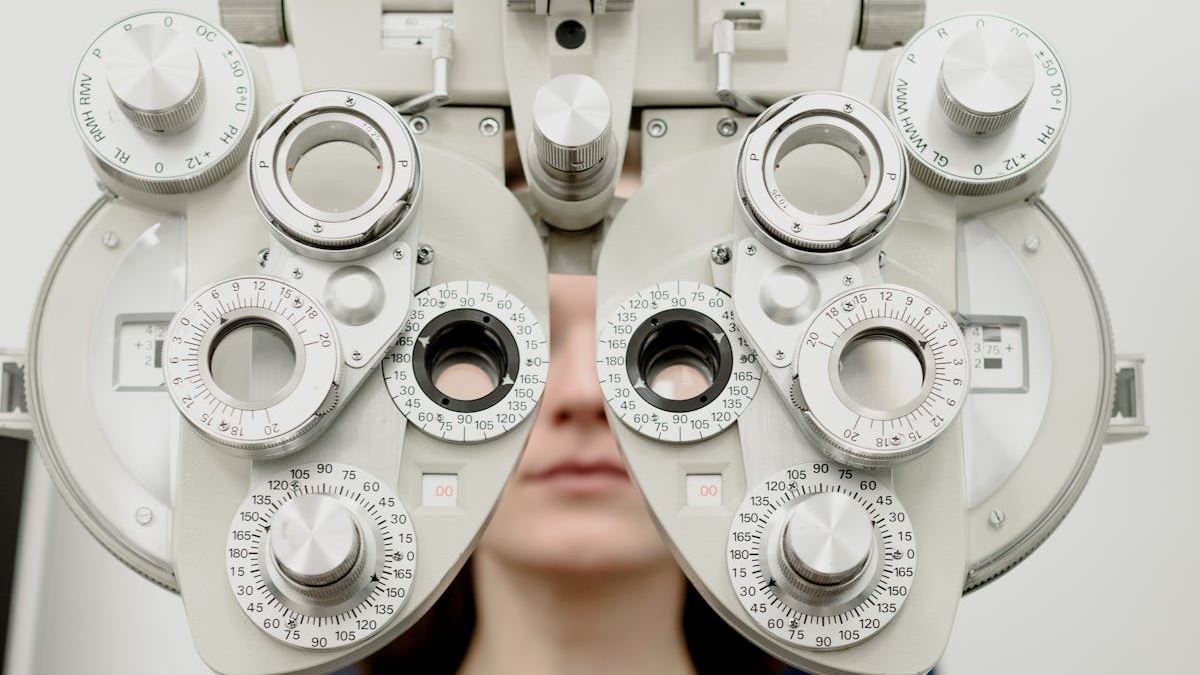
Introduction to LASIK
In an era where technology continuously advances, LASIK (Laser-Assisted In Situ Keratomileusis) has emerged as a revolutionary procedure transforming millions of lives. For individuals tired of relying on glasses or contacts, LASIK offers a promising solution to achieve clear, natural vision. This article provides an in-depth overview of LASIK, exploring its history, technological innovations, benefits, risks, and what potential patients in the United States need to know.
The Evolution and Technology Behind LASIK
LASIK's roots trace back to the 1980s, with ongoing technological improvements making the procedure safer and more effective. Modern LASIK involves creating a thin corneal flap using advanced femtosecond lasers, allowing precise reshaping of the underlying corneal tissue with an excimer laser. This approach minimizes tissue damage and promotes faster recovery. Today, top clinics use wavefront-guided systems that tailor the procedure to each eye's unique optical imperfections, enhancing accuracy and reducing potential side effects.
Who is a Suitable Candidate for LASIK?
Ideal LASIK candidates typically exhibit stable vision, healthy corneas, and specific refractive errors such as myopia, hyperopia, or astigmatism. However, individual evaluations are essential, as factors like corneal thickness, age, and underlying eye health influence eligibility. Potential candidates should consult with experienced ophthalmologists to discuss expectations, risks, and post-surgery outcomes.
The Procedure: What to Expect
LASIK is an outpatient procedure lasting approximately 20 minutes. Patients are numbed with eye drops, and the surgeon creates a corneal flap using a femtosecond laser. The excimer laser then reshapes the corneal tissue to correct refractive errors. The flap is repositioned without stitches, and most patients experience immediate or rapid improvement in vision. Post-operative care includes eye drops, protective shields, and follow-up evaluations to monitor healing.
Benefits and Risks of LASIK
Many patients enjoy the freedom from glasses and contacts, improved visual acuity, and quick recovery times. Nonetheless, LASIK carries potential risks such as dry eyes, glare, halos, undercorrections, or overcorrections. Serious complications are rare when performed by qualified surgeons. Understanding these aspects helps prospective patients make informed decisions tailored to their needs.
Post-Operative Care and Success Rates
Post-surgical care involves using prescribed eye drops, avoiding eye rubbing, and attending follow-up appointments. Most patients achieve 20/20 vision or better within weeks. Long-term studies affirm LASIK's safety and efficacy, with high satisfaction rates among eligible candidates. However, some may require enhancements, which are generally safe and effective.
Legal and Ethical Considerations in LASIK Procedures
Patients should choose accredited clinics with qualified surgeons. Transparency about risks, realistic expectations, and consent are vital. Surgeons must adhere to ethical standards, and informed decision-making ensures patient safety. Marketing practices should accurately depict potential outcomes to avoid misconceptions.
The Future of LASIK Technology
Innovations like topography-guided LASIK, SMILE procedures, and artificial intelligence integration continue to enhance precision and safety. Researchers are exploring new materials and techniques to expand eligibility and improve outcomes. Patients can expect continuous improvements in comfort, efficacy, and long-term stability.
Conclusion: Making an Informed Choice about LASIK
LASIK remains a leading choice for millions seeking to improve their quality of life through better vision. Nonetheless, individual consultations and thorough research are essential. By understanding the procedure's nuances, benefits, and potential risks, prospective patients in the United States can make informed decisions aligned with their visual needs and lifestyle goals.