Understanding Home Renovation Costs: A Comprehensive Guide for Homeowners in the United States
This comprehensive guide covers all essential aspects of home renovation costs in the United States, including factors affecting expenses, average project costs, and expert tips for budget management. Learn how to plan your renovation effectively to transform your living space without overspending, ensuring a successful project that adds value and comfort to your home.

Introduction to Home Renovation Costs
Embarking on a home renovation can be an exciting journey, transforming your living space into a dream home. However, one of the most critical considerations in planning any renovation project is understanding home renovation costs. Knowing how much to budget, what influences costs, and how to manage expenses can make the difference between a successful renovation and unexpected financial stress.
Factors Influencing Home Renovation Costs
Scope of the Project
The extent of renovation significantly impacts costs. Are you planning a minor update, such as painting and fixtures, or a full-scale remodel including knocking down walls, new flooring, and electrical overhaul? A minor facelift might cost a few thousand dollars, whereas a comprehensive renovation could run into the tens of thousands.
Materials and Finishes
The choice of materials plays a crucial role in budget planning. High-end materials like granite countertops, hardwood flooring, and custom cabinetry increase home renovation costs. Conversely, opting for budget-friendly alternatives can reduce expenses but may affect the overall aesthetic and durability.
Labor and contractor fees
Labor costs in the United States vary depending on location, complexity of work, and contractor reputation. Skilled tradespeople such as electricians, plumbers, and carpenters typically charge premium rates. It’s essential to get multiple quotes to ensure competitive pricing without compromising quality.
Permits and Regulations
Many renovation projects require permits, especially those involving structural changes or electrical and plumbing work. Permit fees can range from hundreds to thousands of dollars, adding to your total home renovation costs. Ensuring compliance with local codes is vital for safety and legal reasons.
Unexpected Expenses and Contingency Funds
Unforeseen issues like hidden water damage, electrical updates, or structural problems can arise during renovations. Experts recommend setting aside 10-20% of your budget as a contingency fund to tackle surprises without derailing your project.
Average Home Renovation Costs in the United States
The typical costs for various renovation projects can help homeowners plan their budgets more effectively. Here are some average figures based on recent market data:
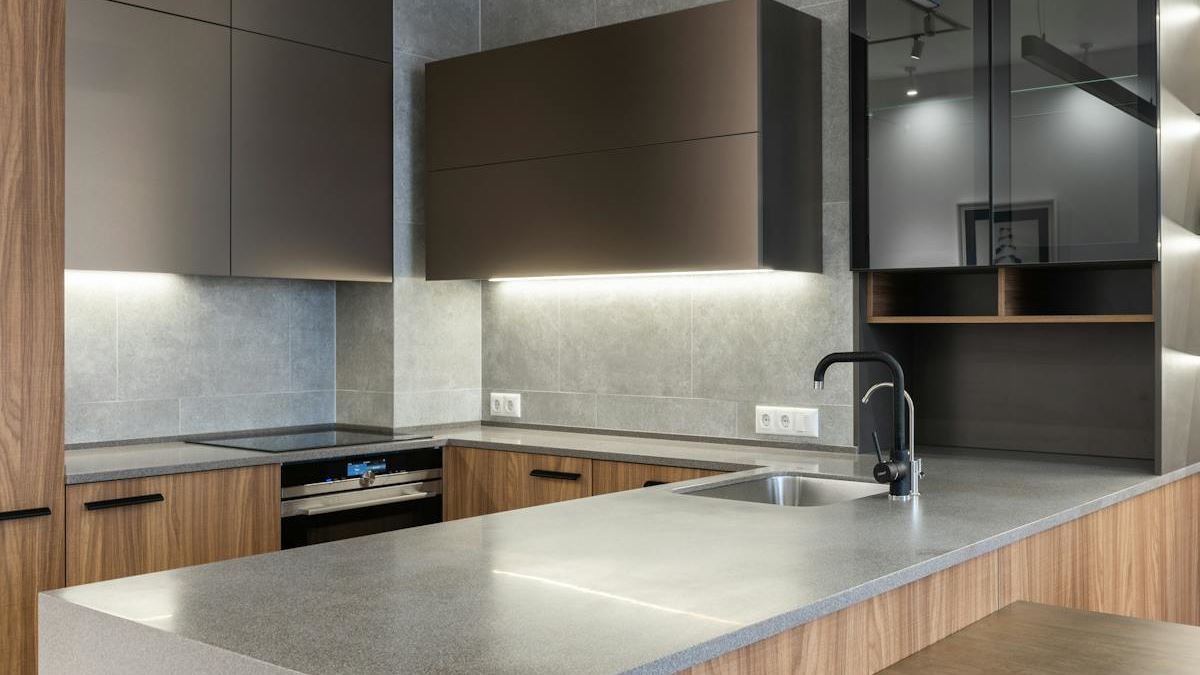
- Kitchens: $15,000 - $50,000
- Bathrooms: $10,000 - $30,000
- Basements: $18,000 - $50,000
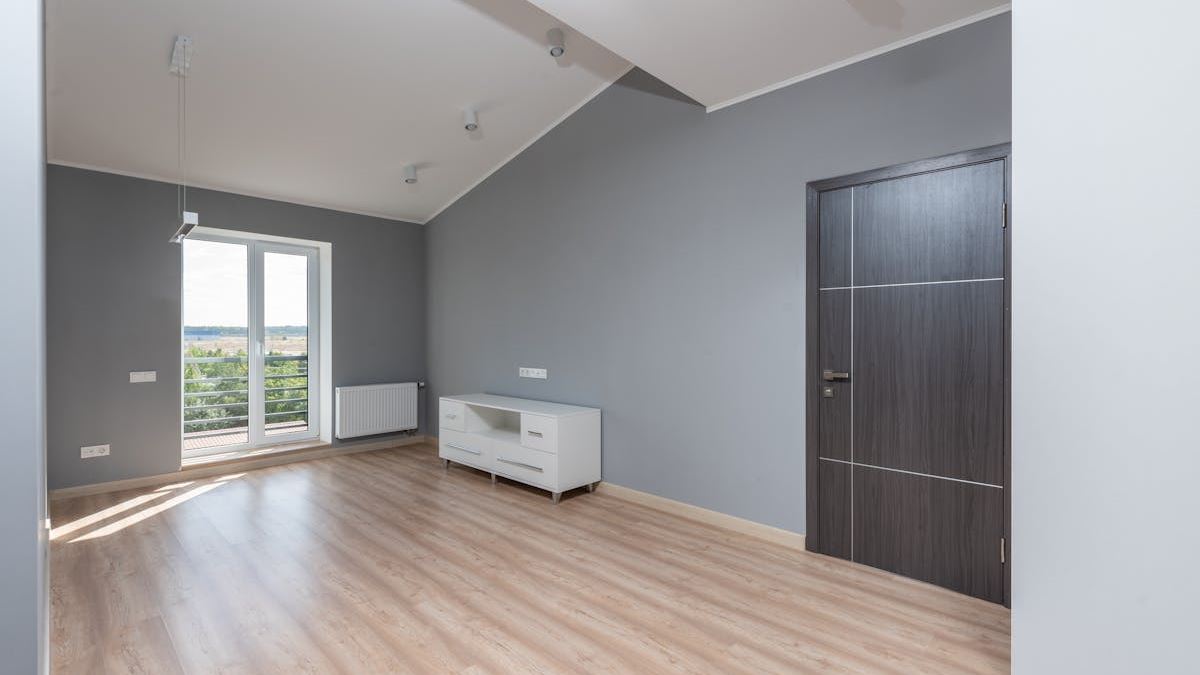
- Living Rooms: $5,000 - $20,000
- Exterior Makeovers: $10,000 - $40,000
These figures vary widely depending on the scope, materials, and regional labor rates. Metropolitan areas tend to have higher costs due to increased labor and material expenses.
Tips for Managing and Reducing Home Renovation Costs
Clear Planning and Budgeting
Creating a detailed plan and budget at the outset helps prevent scope creep, which can inflate costs. Prioritize must-have features and establish a realistic budget based on quotes from contractors.
Choosing Quality Materials within Budget
While high-end materials might seem attractive, selecting durable yet affordable options can save money long-term. Consult with design experts to identify cost-effective solutions that meet your aesthetic goals.
Hiring Reputable Contractors
Research and interview multiple contractors, checking references and past work. A skilled contractor may cost more upfront but can save money by avoiding rework and delays.
Phased Renovations
Break large projects into phases to spread out expenses, allowing you to adapt and budget more accurately over time.
Monitoring and Controlling Costs
Regularly track spending against your budget and be flexible to adjust plans as needed. Transparent communication with your contractor ensures everyone is aligned on costs and expectations.
Conclusion: Planning for Successful Home Renovation
Understanding home renovation costs in detail equips homeowners with the knowledge to plan effectively and avoid surprises. Combining careful budgeting, choosing quality materials, and hiring reliable professionals can lead to a successful transformation of your home within your financial means. Remember, investing in your home not only enhances its value but also improves your quality of life.