Transforming Spaces: The Ultimate Guide to Custom Home Renovation in the United States
Discover the comprehensive process of custom home renovation in the United States. From assessing needs to designing, budgeting, and executing your project, learn how personalized renovations can transform your living space. With expert insights and real-world examples, this guide helps homeowners create their perfect home tailored to their unique lifestyle and preferences.
Understanding the Essence of Custom Home Renovation
In an era where personalization is at the forefront of homeownership ambitions, custom home renovation stands out as an exceptional approach to creating a living space that truly reflects your lifestyle, taste, and functionality needs. Unlike standard remodeling projects, custom home renovation involves tailored design choices, innovative layouts, and unique finishes, all executed with precision to match your personal vision. Whether you're transforming an old property or reimagining your current space, understanding the core principles of such renovation projects is vital for achieving lasting satisfaction and value.
Assessing Your Needs and Setting Clear Goals
The first step toward a successful custom home renovation is a comprehensive assessment of your needs. This involves evaluating your current living situation, identifying areas that require improvement, and defining the primary objectives of the renovation. Are you seeking to expand your living space, upgrade outdated fixtures, enhance energy efficiency, or create a more modern aesthetic? Experts recommend creating a detailed list of must-haves and nice-to-haves, which will serve as a blueprint for all subsequent planning stages.
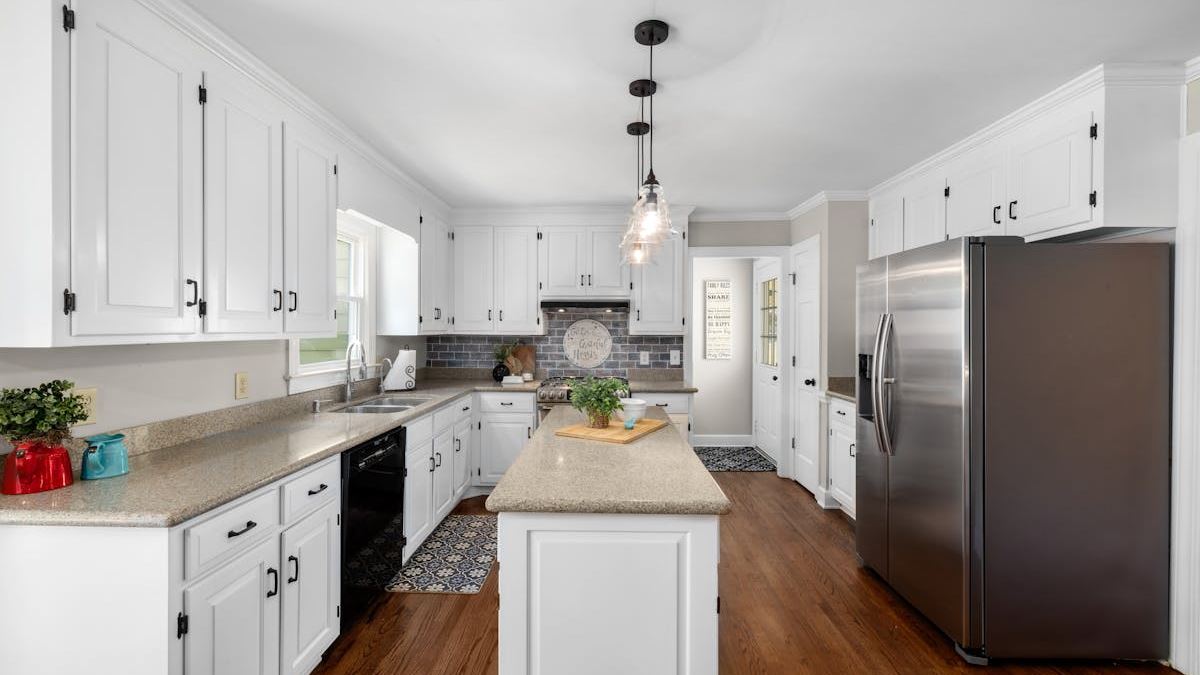
Suppose a family of four wants a dedicated home office, a larger kitchen, and a spa-like bathroom. Articulating these needs clearly helps architects and contractors develop a tailored plan that aligns with your budget and timeline. Custom home renovation is inherently flexible, allowing homeowners to blend practical needs with personal design preferences seamlessly.
Choosing the Right Design and Planning Strategies
Designing a custom home renovation requires a delicate balance between aesthetics and functionality. Engaging with experienced architects and interior designers can significantly elevate this process. These professionals can translate your ideas into detailed plans, utilizing cutting-edge software and 3D models to visualize outcomes before construction begins.
An example scenario involves transforming a traditional ranch-style home into a contemporary space featuring open-concept layouts, sustainable materials, and smart home integrations. The key is to plan meticulously, factoring in structural modifications, permits, and compliance with local codes. Creating detailed blueprints and timelines minimizes surprises and ensures each phase aligns with your vision.
Budgeting and Managing Costs Effectively
A common concern among homeowners considering custom home renovation is budget management. While personalization often entails higher costs, strategic planning can help optimize resources. Experts recommend establishing a realistic budget, including a contingency fund for unforeseen issues.
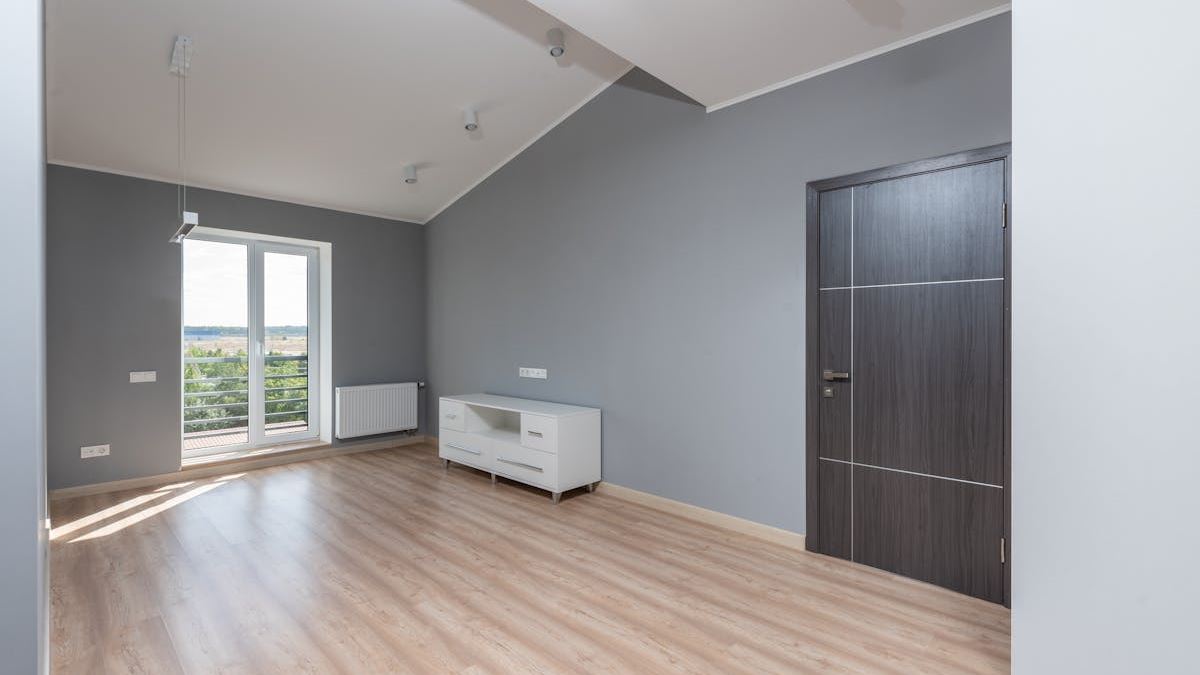
Cost estimation involves analyzing material prices, labor rates, and permitting fees. Contractors can provide detailed quotes, and homeowners should regularly monitor project expenses to avoid overspending. For instance, choosing durable yet affordable materials like engineered wood or high-quality laminate can reduce long-term maintenance costs without compromising style.
Hiring Skilled Professionals and Selecting Reliable Materials
Successful custom home renovation hinges on working with reputable professionals. This includes licensed contractors, reliable suppliers, and experienced project managers. Verifying credentials, reviewing portfolios, and asking for references are crucial steps in selecting a team that aligns with your expectations.
Choosing high-quality, sustainable materials not only enhances the aesthetic appeal but also adds durability and energy efficiency. For example, installing energy-efficient windows and insulation can significantly reduce utility bills over time. The goal is to create a customized space that combines innovation with longevity.
Execution Phase: Managing Construction and Ensuring Quality
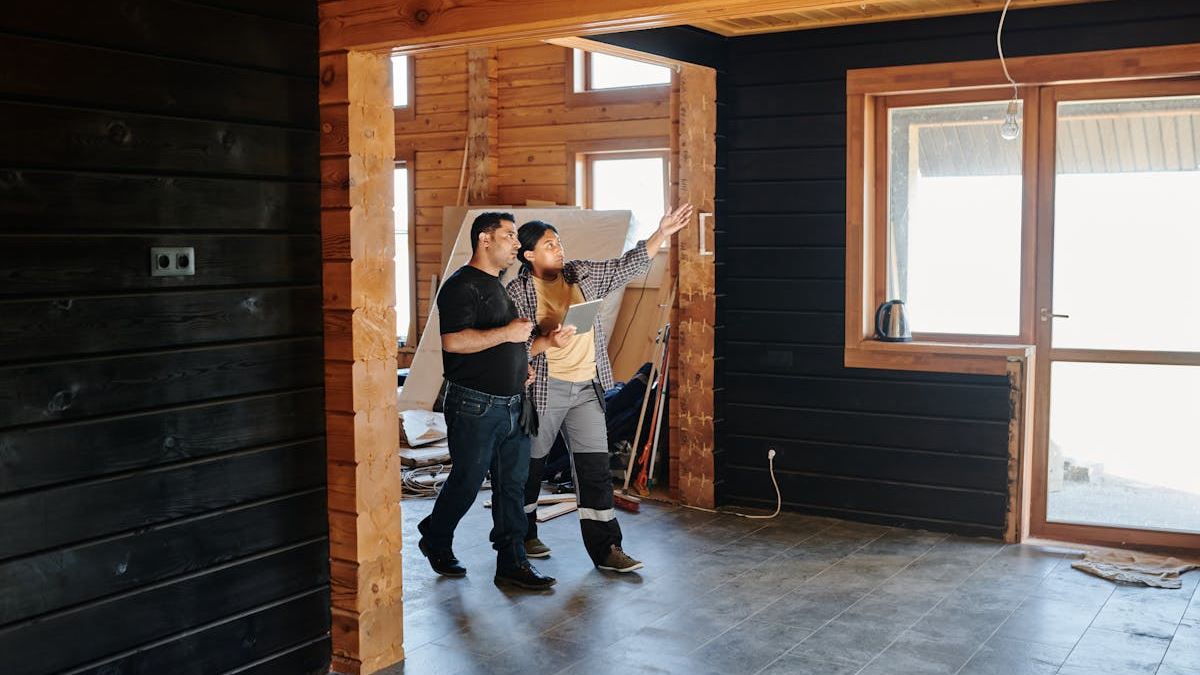
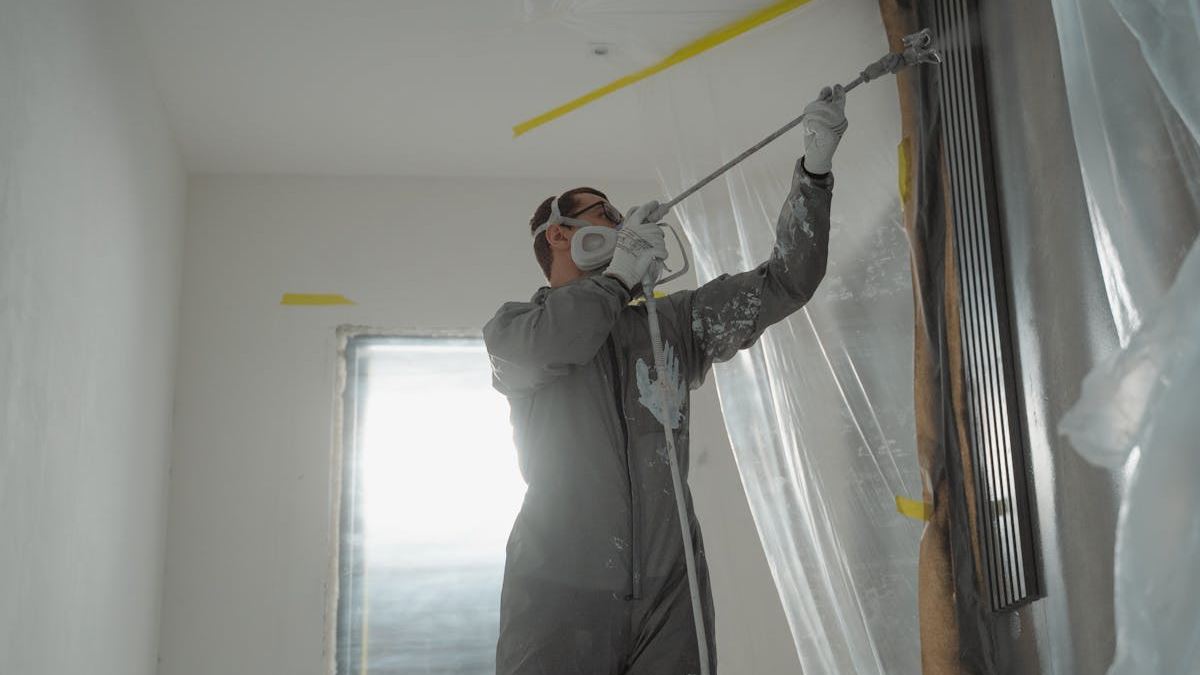
During the construction phase, consistent oversight is essential. Regular site visits, communication with the project manager, and adherence to timelines safeguard the project’s integrity. Addressing issues promptly and making informed decisions ensures the renovation progresses smoothly.
In real-world scenarios, homeowners often encounter unexpected challenges such as structural surprises or delays in material delivery. Skilled project managers can mitigate these risks through contingency planning and flexible scheduling. Ultimately, maintaining a focus on quality control guarantees that the final result aligns with your original vision.
Post-Project Evaluation and Maintenance
Once the renovation concludes, a thorough walkthrough with your contractor helps identify any punch list items needing correction. Proper documentation, warranties, and maintenance plans are vital for long-term satisfaction.
Ongoing care, such as routine inspections of HVAC systems or sealing of new windows, preserves the integrity of your custom home renovation. Regular maintenance not only extends the lifespan of your upgrades but also protects your investment.
Conclusion: Embracing the Personalized Approach to Homeownership
Investing in a custom home renovation is more than a remodeling project; it is an opportunity to express your personality, improve your lifestyle, and increase your property's value. With careful planning, expert guidance, and strategic execution, your dream home in the United States can become a reality tailored precisely to your needs.