Understanding Renovation Costs in the United States: A Comprehensive Guide for Homeowners
December. 05,2025
This comprehensive guide explores the essential aspects of renovation costs in the United States. Homeowners will learn key factors affecting expenses, regional variations, real-world cost breakdowns, and expert tips for budget management. Perfect for those planning renovation projects, this article aims to demystify costs and help make informed decisions to maximize investment value.

Introduction to Renovation Costs
Embarking on a home renovation project is an exciting journey, but one of the most critical aspects to consider is the renovation costs. As a homeowner in the United States, understanding how these costs accumulate, what factors influence them, and how to budget effectively can make the difference between a smooth renovation and financial stress. This article provides an in-depth look into the various components that constitute renovation costs, offering realistic insights backed by expert commentary and real-world scenarios.
Factors Influencing Renovation Costs
Scope of the Project
One of the primary determinants of renovation costs is the scope of work. Whether you're considering a minor kitchen upgrade or a major home overhaul, the extent of the renovation significantly impacts expenses. For example, a simple paint job may cost a few thousand dollars, whereas a complete kitchen remodel can exceed $50,000. Understanding what the project entails helps set realistic expectations and budget planning.
Materials and Fixtures
Material choices directly influence renovation costs. Opting for high-end countertops, premium flooring, or custom cabinetry increases expenses, while more affordable options can help stay within budget. Homeowners should weigh quality, durability, and aesthetic preferences, consulting with renovation experts to select materials that match their financial and functional goals.
Labor Costs
Labor is a significant component of renovation costs in the U.S., often accounting for roughly 20-35% of total expenses. Rates vary depending on location, project complexity, and contractor reputation. Expert testimonials highlight the importance of hiring licensed, insured professionals to ensure quality work and avoid costly mistakes that could inflate overall costs.
Permits and Regulations
Many renovation projects require permits, especially for structural changes or electrical and plumbing work. Permit costs vary by city and state but typically range from a few hundred to several thousand dollars. Non-compliance can lead to fines or necessary rework, emphasizing the importance of understanding local regulations to manage costs effectively.
Regional Variations in Renovation Costs
Renovation costs differ across the United States due to regional economic factors, labor market conditions, and material availability. For example, metropolitan areas like New York, Los Angeles, or Chicago tend to have higher prices compared to smaller towns or rural regions. A detailed cost analysis reveals that average renovation costs can vary by thousands of dollars based on location, influencing budgeting decisions.
Real-World Scenarios and Cost Breakdown
Scenario 1: Kitchen Remodel in California
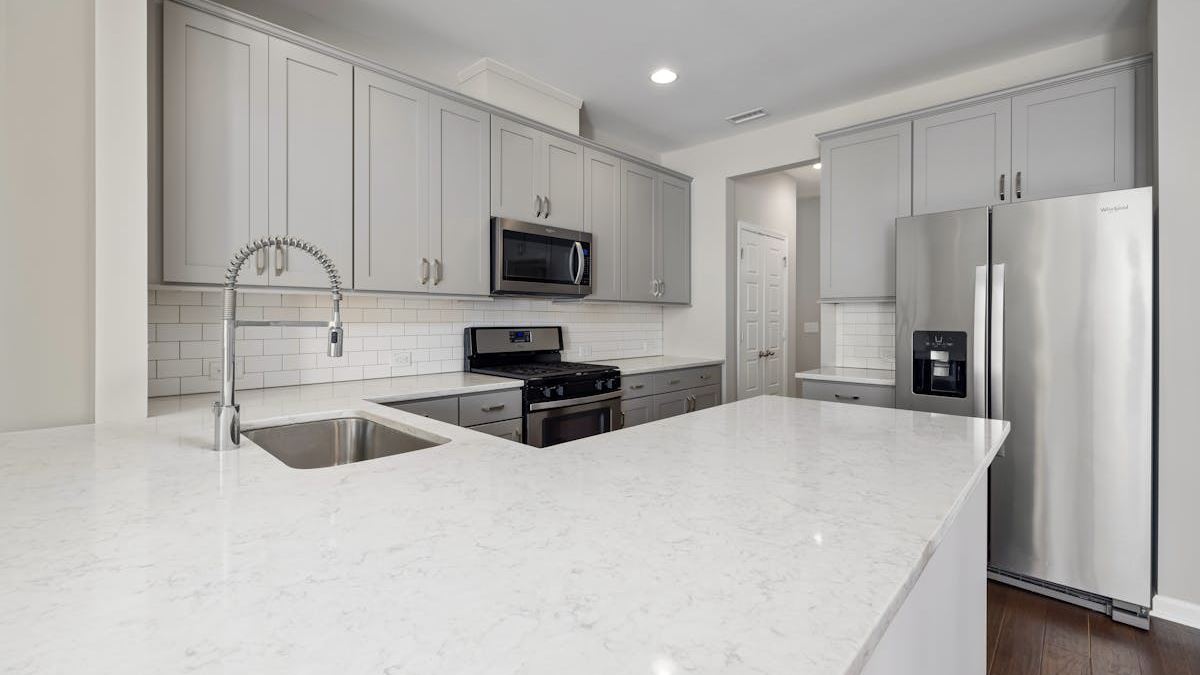
Suppose a homeowner in California plans a mid-range kitchen renovation. The project includes new cabinets, countertops, appliances, and flooring. Estimated costs might break down as follows: materials ($20,000), labor ($15,000), permits ($2,500), and miscellaneous expenses ($2,000). The total renovation costs would approximately reach $39,500.
Scenario 2: Bathroom Renovation in Texas
A homeowner in Texas opts for a bathroom upgrade with new fixtures, tiles, and vanity. The estimated renovation costs could be: materials ($10,000), labor ($7,000), permits ($1,000), totaling roughly $18,000. This scenario illustrates how scope size influences overall costs.
Expert Tips for Managing Renovation Costs
Budget Planning and Contingency Funds
Experts recommend setting aside 10-20% of your renovation budget for unforeseen expenses. Factors like material price fluctuations, unexpected structural issues, or contractor delays can inflate costs. A well-planned contingency fund provides a financial cushion, ensuring your project stays on track without compromising quality.
Selecting the Right Contractors
Hiring experienced, licensed contractors can initially seem more expensive, but their expertise minimizes errors and rework, ultimately reducing renovation costs. Obtain multiple estimates, check references, and verify licenses to find a contractor who aligns with your budget and quality expectations.
Conclusion: Making Informed Decisions on Renovation Costs
Understanding the factors that influence renovation costs enables homeowners to plan effectively, avoid surprises, and achieve their renovation goals efficiently. Whether your project is a small upgrade or a substantial transformation, thorough research, expert advice, and detailed budgeting are essential to ensure success. By approaching your renovation with knowledge and careful planning, you can enhance your home’s value and enjoy the process without undue financial strain.