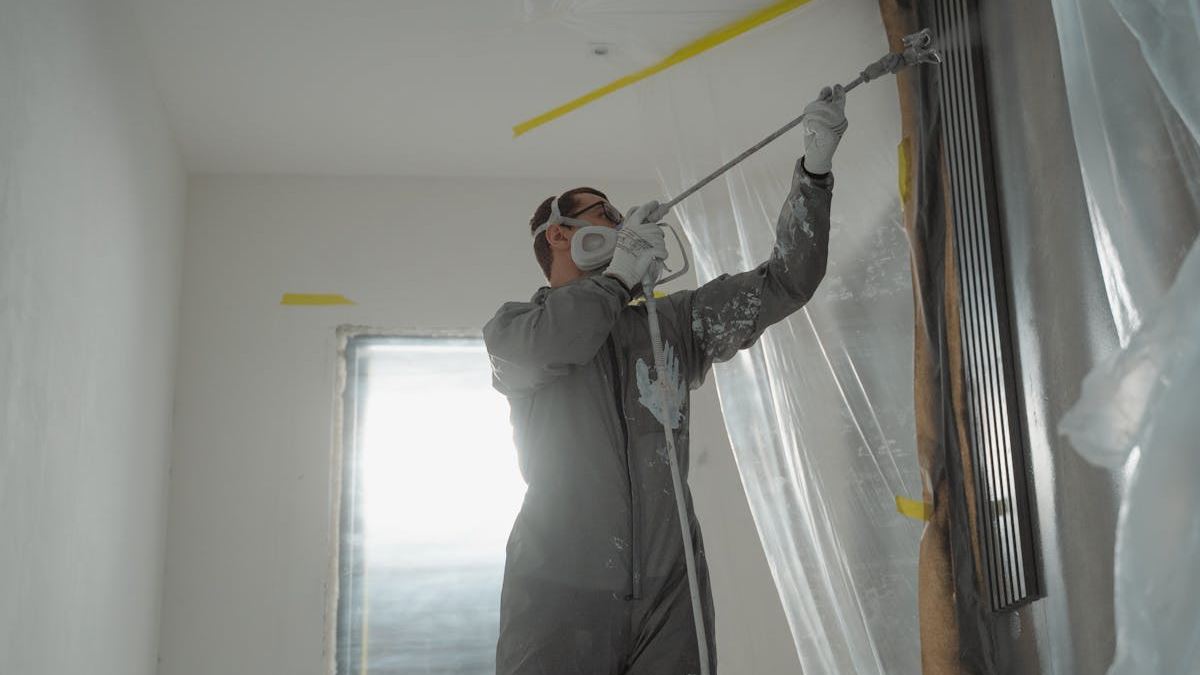
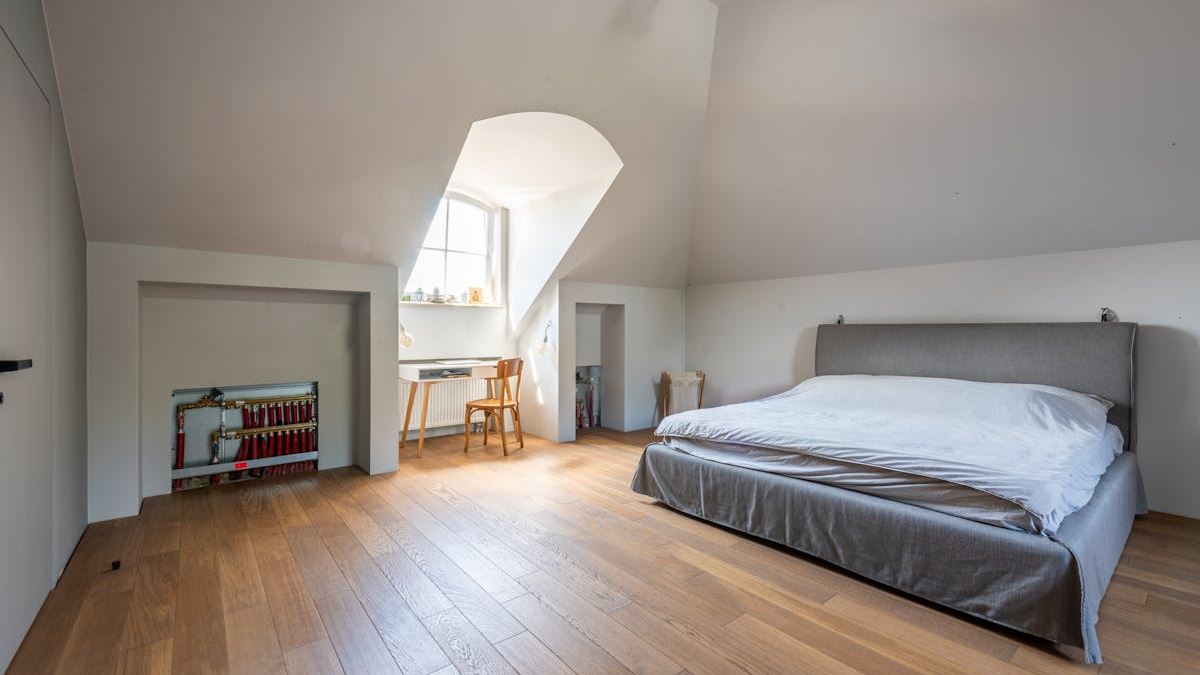
Transforming Your Space: A Comprehensive Guide to Successful Home Renovation in the United States
Discover expert insights and step-by-step guidance on successful home renovation projects in the United States. From planning and budgeting to selecting materials and managing contractors, this comprehensive guide helps homeowners transform their spaces effectively. Learn about current trends, sustainable options, and quality assurance to ensure your renovation adds value and comfort to your home.
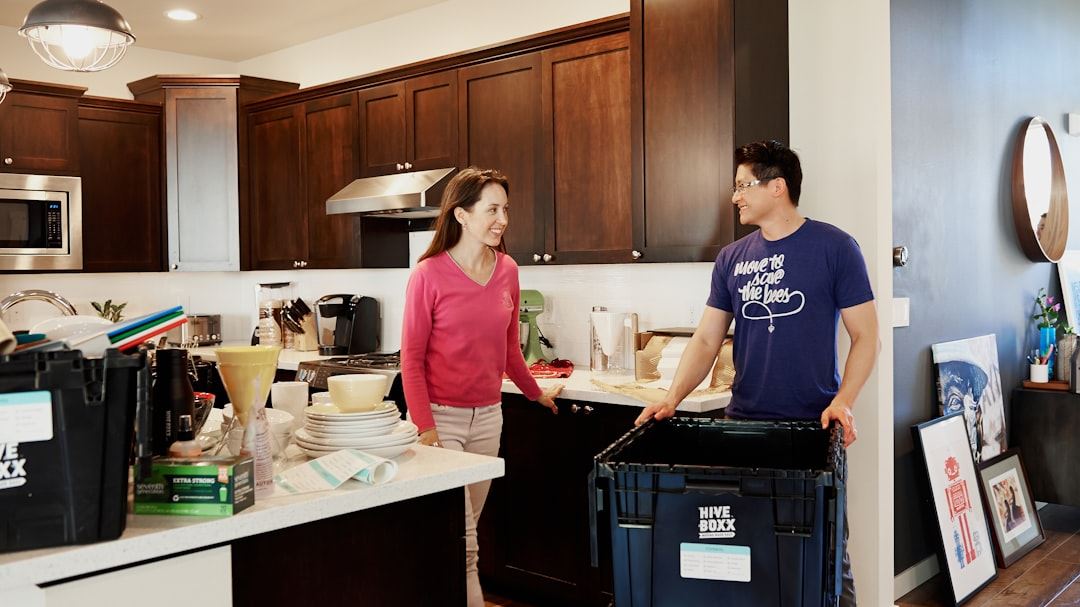
Introduction to Home Renovation: Revitalizing Your Living Space
Embarking on a home renovation project can be both exciting and daunting. Whether you're refreshing a single room or undertaking a full house remodel, understanding the essentials of home renovation is crucial for achieving your dream space. In the United States, homeowners are increasingly investing in renovations not only to enhance aesthetics but also to increase property value and improve living comfort. This guide offers a comprehensive overview, from planning and budgeting to choosing contractors and sustainable practices, ensuring your renovation journey is smooth and successful.
Planning Your Home Renovation: Setting Clear Goals and Budget
Defining Your Renovation Goals
Begin by identifying what you want to achieve. Are you looking to modernize your kitchen, add more space, improve energy efficiency, or enhance safety features? Clear goals will steer your decisions and scope of work. For example, transforming an outdated kitchen might involve new cabinets, appliances, and lighting, while constructing an extra bedroom requires structural changes. Document your goals to communicate effectively with contractors and align expectations.
Budgeting and Cost Estimation
A realistic budget is the foundation of a successful home renovation. In the U.S., typical renovation costs vary widely based on location, scope, and quality of materials. On average, homeowners spend between $15,000 and $75,000 for a full renovation, but costs can extend higher for upscale projects. Consider allocating funds for permits, unexpected issues, and finishes. Consulting with professionals early can help refine your estimates and prevent budget overruns.
Creating a Detailed Renovation Plan
Develop a detailed plan that includes timelines, design sketches, material selections, and contractor bids. Prioritize tasks to minimize disruption and manage logistics effectively. Using project management tools or software can facilitate tracking progress and coordinating between multiple vendors. An intentional approach mitigates delays and ensures your vision stays on track.
Choosing the Right Professionals and Materials
Selecting Reliable Contractors and Designers
Hiring experienced and reputable professionals is paramount for quality home renovation. Research local contractors, review portfolios, and verify licenses and insurance. Seek recommendations from friends, family, or online reviews. A detailed contract outlining scope, payment schedule, and warranties protects both parties. Engage designers early if you need help translating ideas into actionable plans.
Material Selection: Quality, Sustainability, and Style
Materials greatly influence the durability, appearance, and energy efficiency of your renovation. Opt for high-quality, sustainable options where possible to ensure longevity and reduce environmental impact. For instance, choosing Energy Star-rated appliances, eco-friendly paints, and durable flooring can save money long-term. Align materials with your style preferences, whether modern, traditional, or eclectic, for a cohesive look.
Incorporating Trends and Personal Style
Stay informed on current home renovation trends, such as open-concept layouts, smart home technology, and minimalist aesthetics. Personalization is essential; your space should reflect your lifestyle and personality. Consult with designers to blend trends with timeless elements, ensuring your renovation remains attractive and functional for years to come.
Managing the Renovation Process and Ensuring Quality
Effective Project Management
Regular oversight is vital to keep the renovation on schedule and within budget. Schedule weekly site visits, communicate clearly with contractors, and address issues promptly. Documentation like progress photos and written reports can prevent misunderstandings. An organized approach minimizes surprises and keeps the project aligned with your vision.
Quality Assurance and Inspections
Implement quality checks at different stages—demolition, framing, electrical, plumbing, and finishing. Hiring independent inspectors or consulting with a project manager can identify potential problems early. Ensuring compliance with local building codes and standards safeguards your investment and guarantees safety.
Handling Unforeseen Challenges
Home renovation often uncovers unexpected issues such as mold, electrical flaws, or structural weaknesses. Prepare contingencies in your budget and timeline. Address problems transparently with your contractor, and prioritize solutions that preserve your renovation goals without overspending.
Post-Renovation Tips: Final Checks and Maintaining Your Home
Final Inspections and Walkthroughs
Conduct thorough inspections and a final walkthrough to ensure all work meets your specifications. Compile a list of punch-list items and have them addressed before completing payment. Proper documentation of warranties and manuals will aid future maintenance.
Maintenance for Longevity
Regular maintenance prolongs the life of your renovation investments. Keep surfaces clean, inspect appliances and fixtures, and attend to repairs promptly. Good upkeep preserves aesthetics and functionality, allowing your renovated home to serve you well for many years.
Reaping the Benefits of Your Renovation
Enjoy the improved comfort, aesthetics, and value that come with a successful home renovation. Upgrades such as energy-efficient windows or sophisticated kitchen layouts can boost your home’s market appeal. Finally, share your experience and perhaps inspire others to take on their own renovation projects.