Comprehensive Guide to Hair Transplant Surgery in the United States
Explore our comprehensive guide to hair transplant surgery in the United States. Learn about techniques, candidacy, procedure steps, recovery, and costs. Discover how this permanent solution can restore your confidence and natural hair growth.

Introduction to Hair Transplant Surgery
Hair loss affects millions across the United States, impacting self-esteem and quality of life. As a leading solution, hair transplant surgery offers a permanent and natural-looking remedy for those experiencing androgenetic alopecia and other hair loss conditions. This comprehensive guide explores the procedure, benefits, types, and factors to consider before undergoing surgery, catering to diverse needs and expectations.
Understanding Hair Transplant Surgery
What is Hair Transplant Surgery?
Hair transplant surgery involves moving hair follicles from a dense, healthy area called the donor site, typically the back or sides of the head, to areas experiencing thinning or baldness. The goal is to restore hair growth by redistributing existing hair, resulting in a natural appearance.
Types of Hair Transplant Techniques
There are primarily two methods: Follicular Unit Transplantation (FUT) and Follicular Unit Extraction (FUE). FUT involves excising a strip of scalp, which is then dissected into individual follicular units. FUE extracts individual follicles directly from the scalp, leaving minimal scarring. Both techniques have their advantages and are chosen based on patient needs and surgeon expertise.
Who Is a Candidate for Hair Transplant Surgery?
Ideal candidates are those with stable hair loss patterns, sufficient donor hair, and realistic expectations. Factors such as age, degree of hair loss, scalp condition, and health status influence eligibility. Older adults seeking permanent solutions or individuals experiencing early thinning may both benefit, but the approach should be tailored accordingly.
The Procedure: What to Expect
Preoperative Preparations
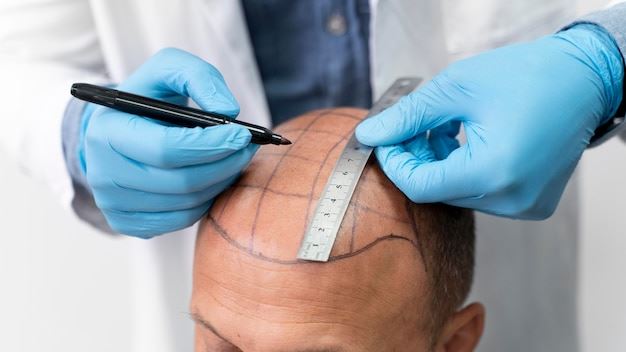
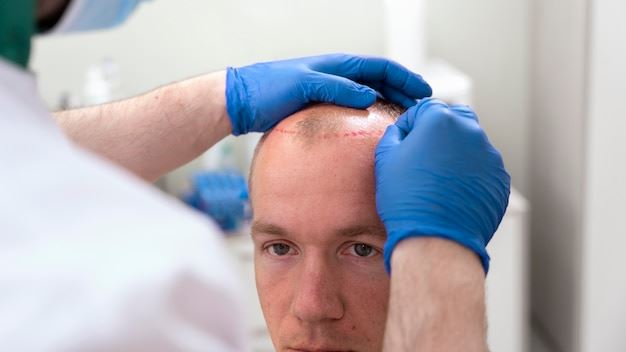
Consultation with a qualified surgeon is essential to assess eligibility, discuss goals, and develop a personalized plan. Blood tests, scalp examination, and photographic documentation are standard. Patients are advised to avoid blood thinners and alcohol pre-surgery.
The Surgical Process
The procedure typically lasts 4-8 hours, depending on the extent of transplant. Local anesthesia is administered to ensure comfort. In FUE, individual follicles are extracted and implanted. In FUT, a strip is harvested and divided into grafts before placement. The surgeon meticulously places follicles to mimic natural hair growth patterns.
Postoperative Care and Recovery
Post-surgery, patients may experience mild swelling, scabbing, or discomfort. Proper care includes gentle washing, avoiding strenuous activities, and following surgeon instructions. Hair shedding is normal within the first few weeks, with new growth commencing typically after 3-4 months. Full results become visible after about a year.
Risks, Complications, and Longevity
While generally safe, potential risks include infection, scarring, unnatural appearance, or shock loss. Choosing an experienced surgeon minimizes risks. Results are permanent, but ongoing hair loss elsewhere may necessitate additional procedures or medical management.
Cost Considerations and Financing Options
The cost of hair transplant surgery in the U.S. varies widely, ranging between $4,000 and $15,000 depending on the number of grafts and technique used. Many clinics offer financing plans, and some insurance policies consider the procedure cosmetic and do not cover expenses.
Expert Insights and Future Trends
Leading hair restoration specialists emphasize personalized treatment plans, technological advancements like robotic-assisted FUE, and regenerative medicine as future directions. Patients are encouraged to seek board-certified surgeons with proven track records for optimal results.