Comprehensive Guide to Hairline Transplant Surgery: What You Need to Know
Discover everything about hairline transplant surgery, from the procedure steps and benefits to risks and aftercare. This comprehensive guide helps those considering hair restoration understand the process and make informed decisions for natural, lasting results.

Understanding Hairline Transplant Surgery
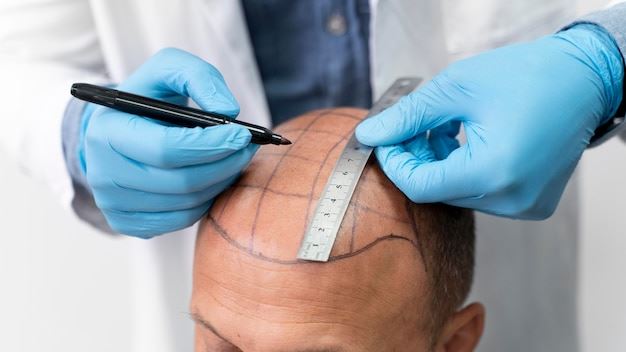
Hairline transplant surgery has become an increasingly popular solution for individuals experiencing male or female pattern baldness. This procedure involves transferring hair follicles from a donor area, typically the back or sides of the head, to the areas with thinning or no hair, specifically focusing on restoring the natural hairline. The goal is to provide a permanent, natural-looking result that boosts confidence and improves overall appearance.
Why Choose Hairline Transplant Surgery?
Many patients opt for hairline transplant surgery because it offers a permanent solution to hair loss, unlike temporary options such as topical treatments or wigs. A well-executed hairline transplant can produce natural results, seamlessly blending with existing hair. Patients also benefit from minimal downtime compared to more invasive procedures, making it an attractive choice for busy lifestyles.
The Procedure: Step-by-Step
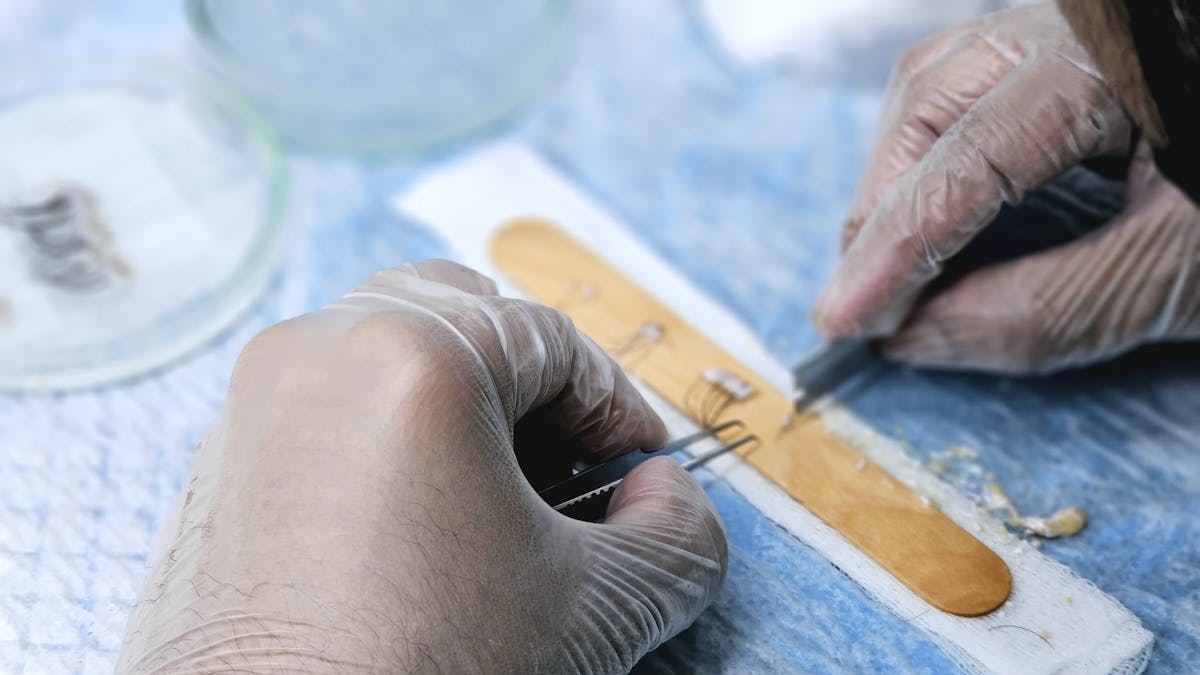
The procedure usually involves two main techniques: Follicular Unit Transplantation (FUT) and Follicular Unit Extraction (FUE). FUE involves harvesting individual hair follicles, leaving tiny scars that are usually less noticeable. FUT, on the other hand, involves removing a strip of scalp tissue, which is then dissected into individual grafts. Each method has its benefits, and the choice depends on the patient's scalp condition, hair type, and desired outcome.
Preparation and Expectations
Before the surgery, consultation with a qualified hair transplant surgeon is essential. The surgeon evaluates hair loss patterns, scalp health, and discusses aesthetic goals. Patients are advised to avoid blood thinners, alcohol, and smoking before the procedure. Post-surgery, swelling, minor discomfort, and scabbing are common, but these typically resolve within a few days to weeks. Results become visible gradually, with full growth expected within 6-12 months.
Risks and Complications
While hairline transplant surgery has a high success rate, potential risks include infection, scarring, unnatural appearance, or hair loss in the donor area. Choosing an experienced surgeon minimizes these risks. It's also essential for patients to have realistic expectations and understand that individual results may vary based on factors like age, hair quality, and genetic predisposition.
Choosing the Right Surgeon
Finding a board-certified, experienced hair transplant specialist is crucial. Review before-and-after photos, read patient testimonials, and inquire about the techniques used. A skilled surgeon will customize the procedure to achieve natural hairlines that suit your facial structure and overall aesthetic goals.
Cost Considerations and Financing
The cost of hairline transplant surgery varies depending on the extent of hair loss, the method employed, and the surgeon’s expertise. Typically, prices in the United States range from $4,000 to $15,000. Some clinics offer financing options to make the procedure more accessible. Always consider the value of quality and expected results over cheaper options.
Long-Term Care and Maintenance
Post-operative care is vital for optimal results. This includes gentle washing, avoiding vigorous activities, and following your surgeon’s instructions. While the transplanted hair is permanent, ongoing hair thinning elsewhere may require additional treatments, such as medication (e.g., minoxidil or finasteride) or complementary procedures. Regular follow-up visits help monitor the progress and address any concerns promptly.
Real-Life Success Stories
Many patients share their journey from hair loss to restored confidence. For example, John, a 35-year-old professional from New York, underwent a hairline transplant and experienced significant improvements in his appearance and self-esteem. Such stories highlight the transformative impact of hairline transplant surgery and emphasize the importance of choosing a qualified surgeon.
Future Trends in Hair Transplant Surgery
Advancements in technology, such as robotic follicle extraction and platelet-rich plasma (PRP) therapy, are enhancing results and recovery times. Researchers are also exploring stem cell techniques to stimulate natural hair growth further. Staying informed about emerging trends ensures patients receive cutting-edge care that maximizes their surgical outcomes.