Comprehensive Guide to Hair Transplantation in the United States: Restoring Confidence and Hair
November. 25,2025
Discover a comprehensive overview of hair transplantation in the United States, including techniques, procedures, recovery, costs, and expert insights. This authoritative guide provides valuable information for those seeking permanent solutions for hair loss, emphasizing safety, natural results, and personalized care, making it a must-read for potential candidates exploring hair restoration options.

Understanding Hair Transplantation: An Introduction
Hair transplantation has become a transformative solution for individuals experiencing hair loss. In the United States, advances in medical technology and surgical techniques have made this procedure safe and accessible for a wide range of patients. Whether dealing with male pattern baldness, receding hairlines, or hair loss due to trauma, hair transplantation offers a permanent and natural-looking outcome. This guide explores the fundamentals of the procedure, different methods available, the benefits, and what potential candidates can expect.
Types of Hair Transplantation Techniques
Follicular Unit Transplantation (FUT)
FUT involves removing a strip of scalp from the donor area, typically the back of the head, and dissecting it into individual follicular units for implantation. This technique allows for the transplantation of a large number of grafts in a single session, making it ideal for patients with significant hair loss. The main advantage of FUT is the ability to harvest a high volume of hair in one procedure, though it leaves a linear scar which can be concealed with proper styling.
Follicular Unit Extraction (FUE)
FUE is a minimally invasive technique where individual hair follicles are extracted directly from the donor area using a specialized punch tool. This method leaves tiny dot scars that are less noticeable, making it an attractive option for those who prefer shorter hairstyles. FUE generally allows for quicker recovery and fewer post-op restrictions. Both methods are effective, but the choice depends on the patient's hair loss pattern, scalp condition, and personal preferences.
The Path to a Successful Hair Transplant
Consultation and Evaluation
Every journey begins with a thorough consultation. An experienced hair restoration specialist assesses the patient's hair loss pattern, donor hair quality, scalp health, and overall medical history. This personalized evaluation helps determine whether hair transplantation is suitable and which technique aligns best with the patient's goals. It's also the time to discuss expectations and possible outcomes.
Pre-Procedure Preparation
Patients are advised to follow specific instructions before surgery, including avoiding blood-thinning medications, smoking cessation, and maintaining scalp hygiene. Proper preparation enhances the success rate and minimizes complications.
The Surgical Process
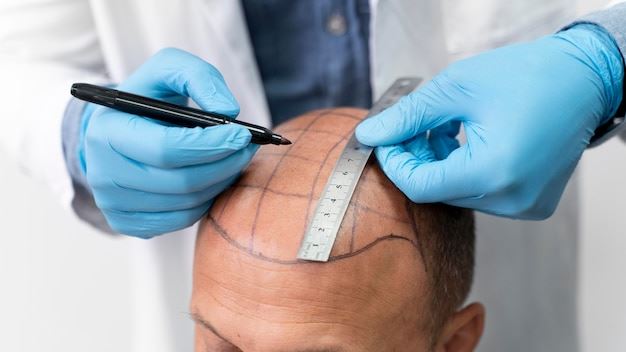
During the procedure, local anesthesia is administered for comfort. The surgeon meticulously extracts grafts, preserving their viability. Grafts are then implanted in the balding or thinning areas, following a natural hairline design tailored to the patient's facial features and preferences. The process can take several hours, depending on the number of grafts.
Recovery and Post-Operative Care
Post-surgery, patients experience mild swelling, redness, or discomfort, which can be managed with medications. It's crucial to follow the surgeon's care instructions—such as gentle washing, avoiding strenuous activities, and attending follow-up appointments—to ensure optimal healing and graft survival.
Long-Term Results and Expectations
Hair transplantation offers permanent results as transplanted follicles are resistant to DHT, the hormone responsible for hair loss. Patients generally see initial shedding of transplanted hair within a few weeks, followed by new growth beginning around three to four months. Full results become visible after 12-18 months, revealing a fuller, natural-looking hairline. Maintaining scalp health and managing expectations are key to satisfaction.
Considering Cost and Choosing the Right Provider
The cost of hair transplantation varies based on the extent of hair loss, the technique chosen, and the clinic's reputation. While affordable options exist, prioritizing experienced, board-certified specialists ensures safety and quality results. Patients should seek detailed consultations, review before-and-after photos, and understand the clinic's credentials before proceeding.
Real Stories and Expert Opinions
Many individuals across the United States have regained confidence through hair transplantation. Experts emphasize the importance of realistic expectations and proper planning. Leading surgeons highlight advancements like robotic FUE and PRP therapy as complementing treatments to enhance results. Hearing personal success stories can motivate those considering the procedure and provide insight into the recovery journey.