Maximizing Benefits with Your Home Solar System: A Comprehensive Guide for American Households
Explore the comprehensive benefits of installing a home solar system in the United States. This authoritative guide covers components, financial incentives, environmental impacts, and future innovations, helping homeowners make informed decisions for sustainable living and energy savings.

Introduction to Home Solar System Benefits
As the United States shifts towards sustainable energy solutions, the adoption of home solar system installations has surged among homeowners seeking to reduce their carbon footprint and energy costs. This comprehensive guide explores how a home solar system can revolutionize your household energy management, saving money, increasing property value, and contributing to environmental conservation.
Understanding the Components and Functionality
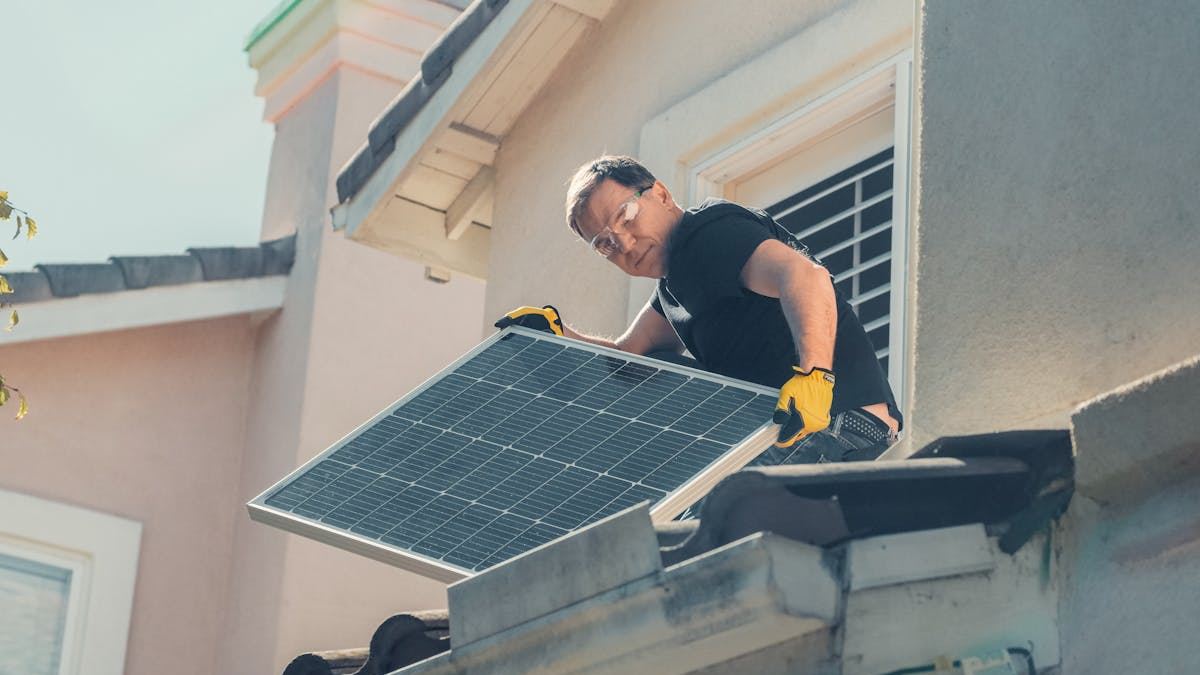
A typical home solar system comprises solar panels, an inverter, mounting hardware, and, optionally, a battery storage system. Solar panels capture sunlight and convert it into direct current (DC) electricity, which is then transformed into usable alternating current (AC) power by the inverter. The integration of these components ensures your home harnesses renewable energy efficiently.
Economic Advantages and Incentives
Investing in a home solar system offers compelling financial benefits. Federal tax credits, such as the Investment Tax Credit (ITC), can offset a significant portion of installation costs. Many states and local governments provide additional incentives, rebates, and net metering policies that enable homeowners to earn credits for excess energy fed back into the grid. These incentives accelerate return on investment and decrease payback periods.
Furthermore, the declining cost of solar technology makes it increasingly affordable. Over time, energy savings offset initial expenses, resulting in reduced utility bills and increased property value.
Environmental Impact and Community Benefits
Switching to solar not only benefits individual households but also promotes sustainable community development. By reducing reliance on fossil fuels, home solar system installations contribute to lower greenhouse gas emissions and air pollution. Community solar programs extend these benefits to renters and those unable to install panels on their roofs, fostering broader participation in clean energy transitions.
Practical Considerations for Installation
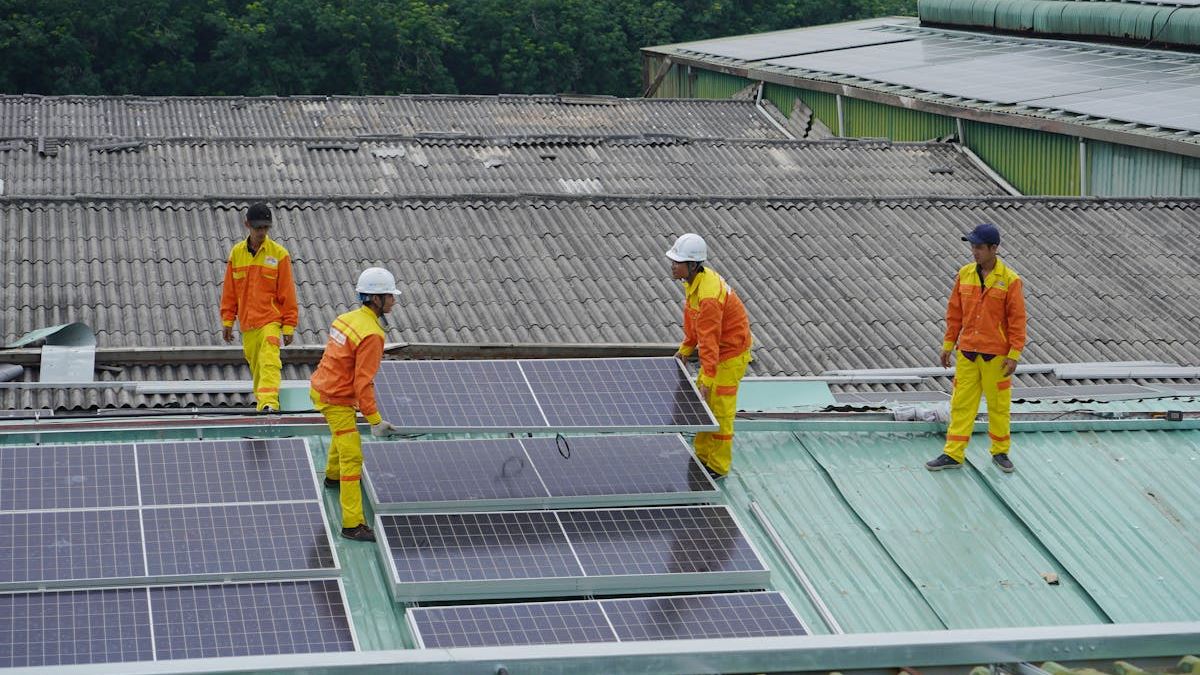
Before installing a home solar system, homeowners should conduct a site assessment to evaluate roof orientation, shading, and structural integrity. Consulting with qualified solar installers ensures proper system design tailored to your energy needs and geographical location. Permitting and grid connection processes vary by state and utility provider, requiring careful planning.
Future Trends and Technological Innovations
Emerging innovations such as bifacial panels, solar shingles, and integrated energy storage are set to enhance home solar system performance. Smart energy management systems enable homeowners to optimize system output and monitor energy consumption remotely. Advancements will continue to make solar an increasingly efficient and accessible solution for American households.
Conclusion: Making the Shift Towards Solar Independence
Embracing a home solar system empowers homeowners to generate clean energy, reduce costs, and contribute to environmental sustainability. With technological advancements, government incentives, and increasing affordability, now is an ideal time to consider solar for your home. Consult with trusted experts, evaluate your property's potential, and take steps towards energy independence today.