Transforming Your Home: A Comprehensive Guide to Solar Home Systems in the United States
Explore the ultimate guide to solar home systems in the United States. Learn about installation benefits, financial incentives, system maintenance, and future innovations to make your home more sustainable and energy-efficient with solar power.

Introduction to Solar Home Systems
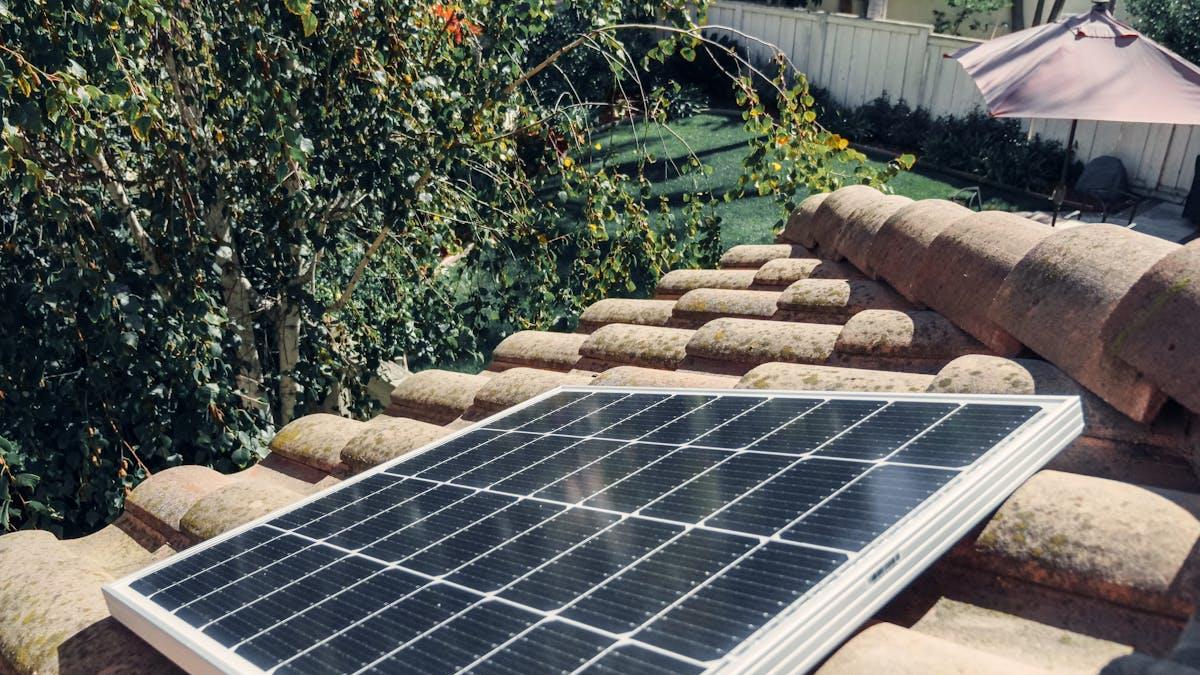
As the United States accelerates its shift towards renewable energy, solar home systems have become an increasingly popular choice for homeowners seeking sustainable and cost-effective energy solutions. A solar home leverages photovoltaic technology to generate electricity from sunlight, reducing reliance on traditional grid power and decreasing energy bills.
The Benefits of Installing a Solar Home System
Environmental Impact
By adopting solar energy, homeowners significantly reduce their carbon footprint, contributing to cleaner air and combating climate change. Solar power produces no greenhouse gas emissions during operation, making it an eco-friendly alternative to fossil fuels.
Economic Advantages
Installing a solar home can lead to substantial savings over time. In the US, homeowners typically see a reduction in electricity costs, along with potential financial incentives such as tax credits, rebates, and other subsidies offered by federal and state governments.
Increased Property Value
Studies show that homes equipped with solar systems often have higher resale values. Buyers recognize the long-term savings and environmental benefits, which make solar-equipped homes more attractive on the market.
Key Considerations Before Installing a Solar Home System
Assessment of Home Suitability
Each home is unique. Factors such as roof orientation, shading, and structural integrity influence the efficiency and viability of solar installations. A professional site assessment can determine the optimal system size and configuration.
Understanding Incentives and Financing
Federal programs like the Investment Tax Credit (ITC) allow for significant tax reductions. Additionally, financing options such as solar loans, leases, or power purchase agreements (PPAs) help reduce upfront costs, making solar more accessible to all homeowners.
Choosing the Right Solar System and Vendor
Selecting reliable equipment and an experienced installer is crucial. Look for certified installers, good reviews, and warranties that ensure the longevity and performance of your solar home system.
Installation Process and Considerations
Step-by-Step Installation
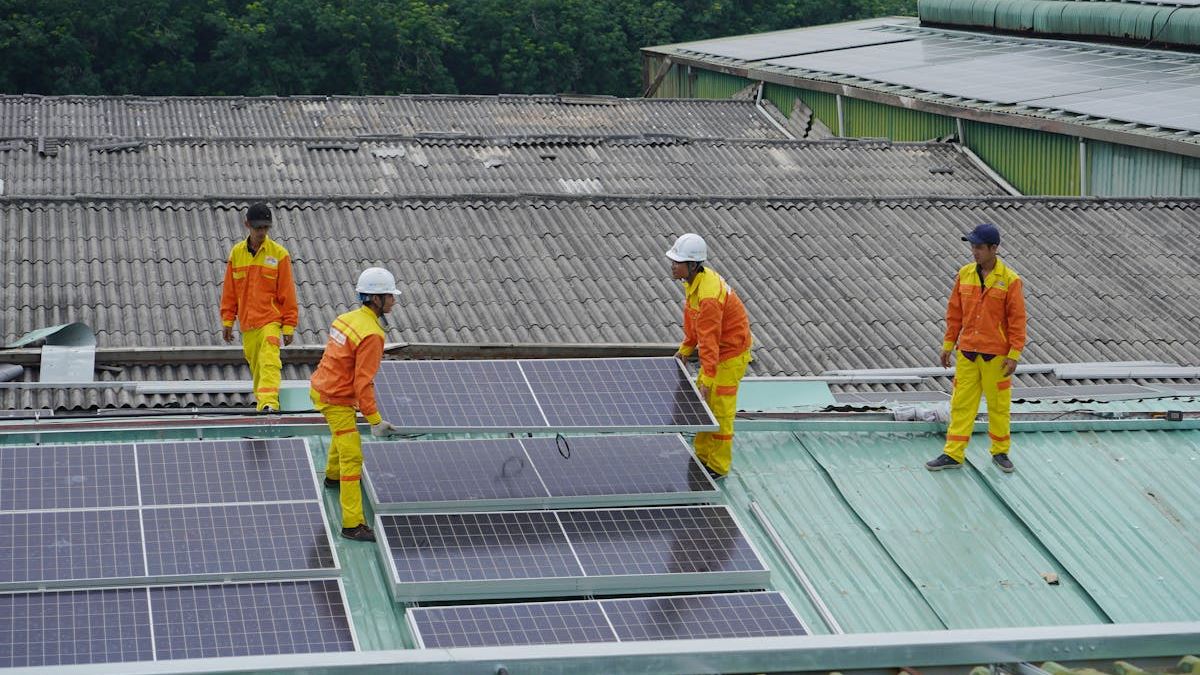
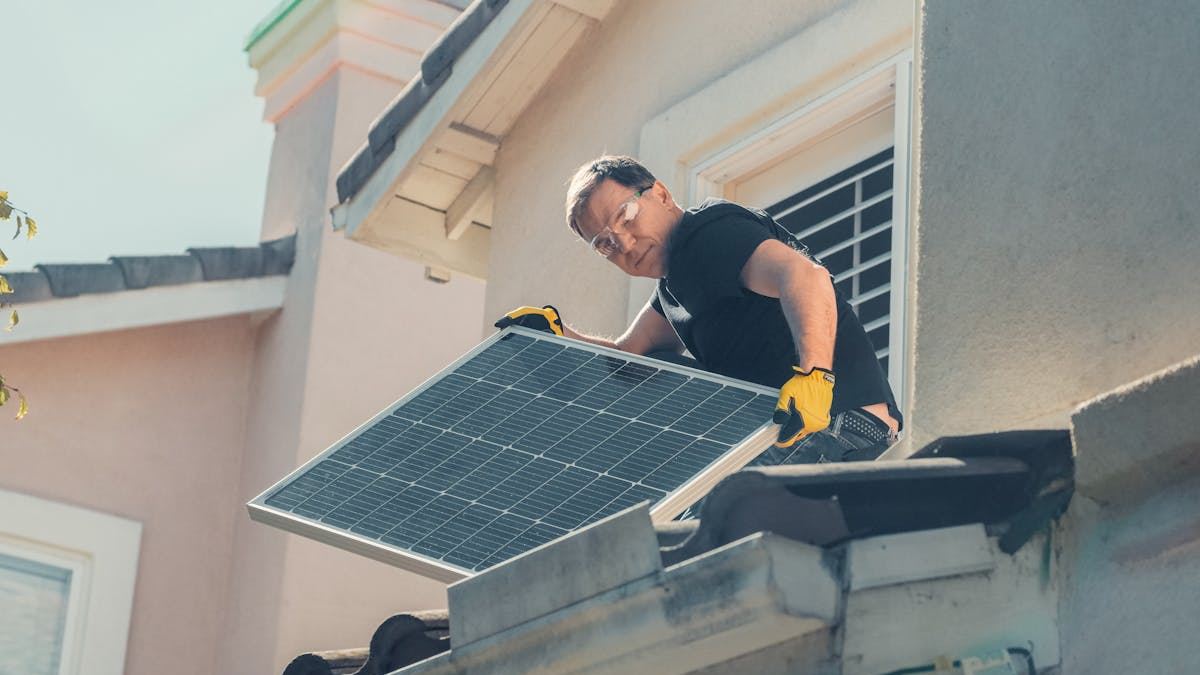
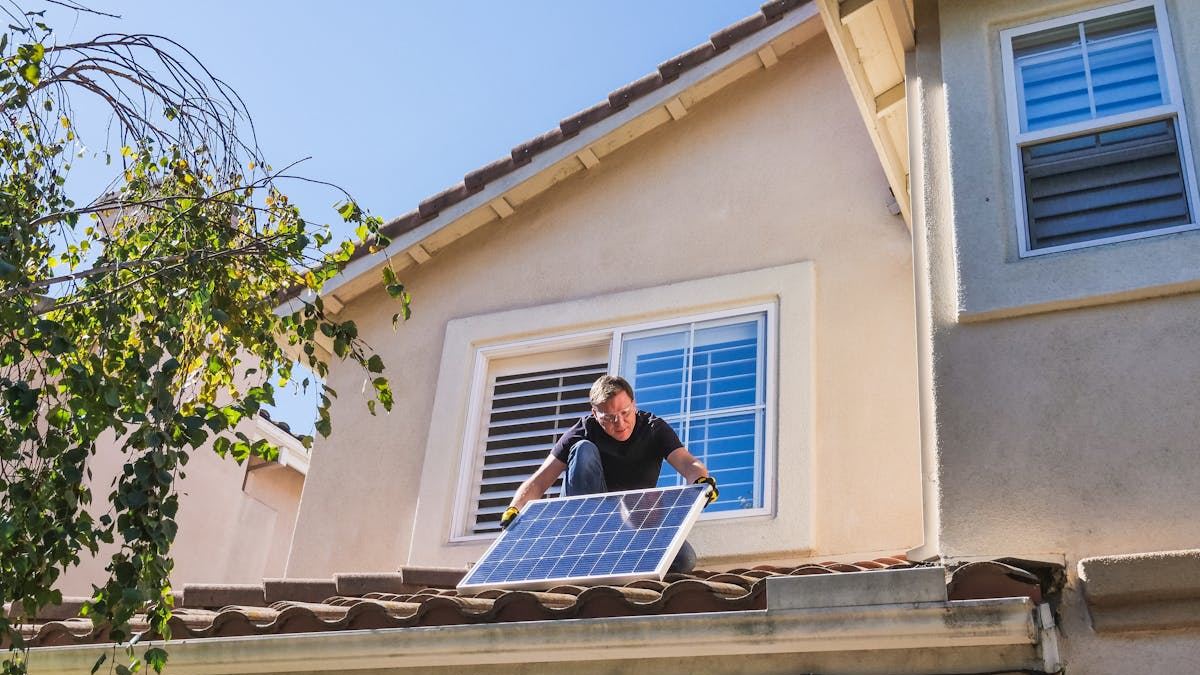
The installation process typically involves site assessment, design, permitting, system installation, inspection, and interconnection with the grid. Homeowners should work closely with their chosen contractor throughout each phase.
Permitting and Regulations in the United States
Local building codes and utility interconnection standards vary. Ensuring compliance is essential to avoid delays. Many states facilitate streamlined permitting processes for solar installations.
Maintaining and Monitoring Your Solar Home System
Regular maintenance, such as cleaning panels and inspecting for damage, prolongs system lifespan and maintains efficiency. Modern solar systems come with monitoring tools that allow homeowners to track performance remotely, ensuring optimal operation.
Future Trends in Solar Home Technology
Advancements like bifacial panels, battery storage solutions, and smart energy management systems are shaping the future of solar home setups. These innovations aim to increase efficiency, resilience, and energy independence for homeowners across the nation.