Harnessing the Sun: A Comprehensive Guide to Home Solar Panel Systems in the United States
This comprehensive guide explores everything homeowners in the U.S. need to know about installing and optimizing a home solar panel system. From understanding system components and costs to designing tailored setups and navigating permits, discover how solar energy can lead to significant savings and sustainability. Perfect for those considering a transition to renewable energy, this article covers real-world scenarios, expert insights, and future trends to empower your solar journey.
Introduction to Home Solar Panel Systems
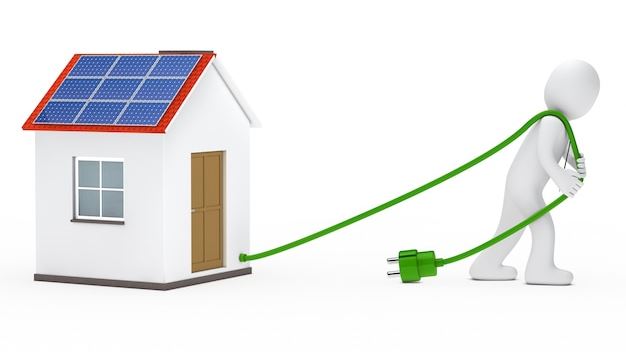
As the United States accelerates its shift towards clean energy, the adoption of home solar panel systems has become a pivotal part of family and community sustainability efforts. These systems represent a significant investment in both environmental health and long-term savings. This comprehensive guide explores the vital aspects of installing, maintaining, and optimizing a home solar panel system in various U.S. regions, helping homeowners make informed decisions.
Understanding How Home Solar Panel Systems Work
The Basic Components of a Solar System
A typical home solar panel system includes solar panels, an inverter, a mounting system, and sometimes a battery storage unit. Solar panels, or photovoltaic (PV) modules, capture sunlight and convert it into direct current (DC) electricity. The inverter transforms this DC into alternating current (AC), which powers the home's appliances. Mounting structures secure the panels on roofs or ground installations, while batteries store excess energy for use during nights or cloudy days.
Types of Solar Systems Available
Homeowners can choose between grid-tied, off-grid, or hybrid systems. Grid-tied systems are connected to the utility grid, allowing for net metering and energy credits, making them popular across the U.S. Off-grid systems operate independently and require ample storage solutions, suitable for remote locations. Hybrid systems combine both approaches for maximum flexibility.
Factors Influencing the Cost and Efficiency of Your Home Solar Panel System
Initial Investment and Incentives
The cost of installing a home solar panel system varies based on system size, technology, and installation complexity. On average, U.S. homeowners can expect to pay between $15,000 and $25,000 before incentives. Federal Investment Tax Credit (ITC) offers a 26% credit on installation costs, significantly reducing expenses. Several states and local programs also provide rebates and tax credits to make solar more affordable.
Efficiency and Location
The efficiency of a solar system depends on panel quality, orientation, shading, and geographic location. For example, homes in Arizona or Southern California benefit from high solar exposure, maximizing energy production, whereas northern climates may see slightly reduced output. Proper placement and regular maintenance ensure optimal performance over the system's lifespan.
Designing a Home Solar Panel System Tailored to Your Needs
Assessing Your Energy Consumption
Before installation, evaluate your monthly energy use by reviewing utility bills. A well-designed home solar panel system should generate enough electricity to meet or exceed your consumption, ensuring maximum savings. Professional assessments can identify peak sunlight hours, shading issues, and available roof space.
Choosing the Right System Size and Components
The system size depends on your energy needs, roof size, and budget. A typical residential system ranges from 5 to 15 kW. Selecting high-quality panels with efficient inverters, compatible batteries for storage, and robust mounting hardware ensures durability and performance. Experienced solar providers can recommend configurations that align with your goals.
Installation Process and Regulatory Considerations
Step-by-Step Installation Overview
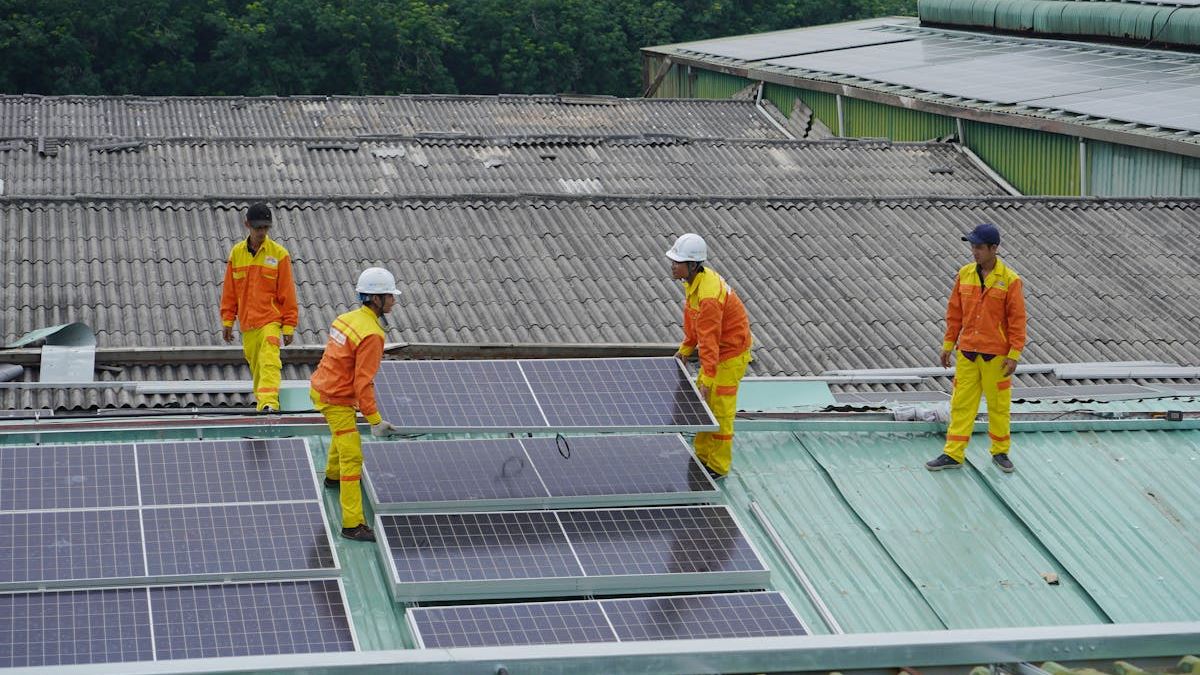
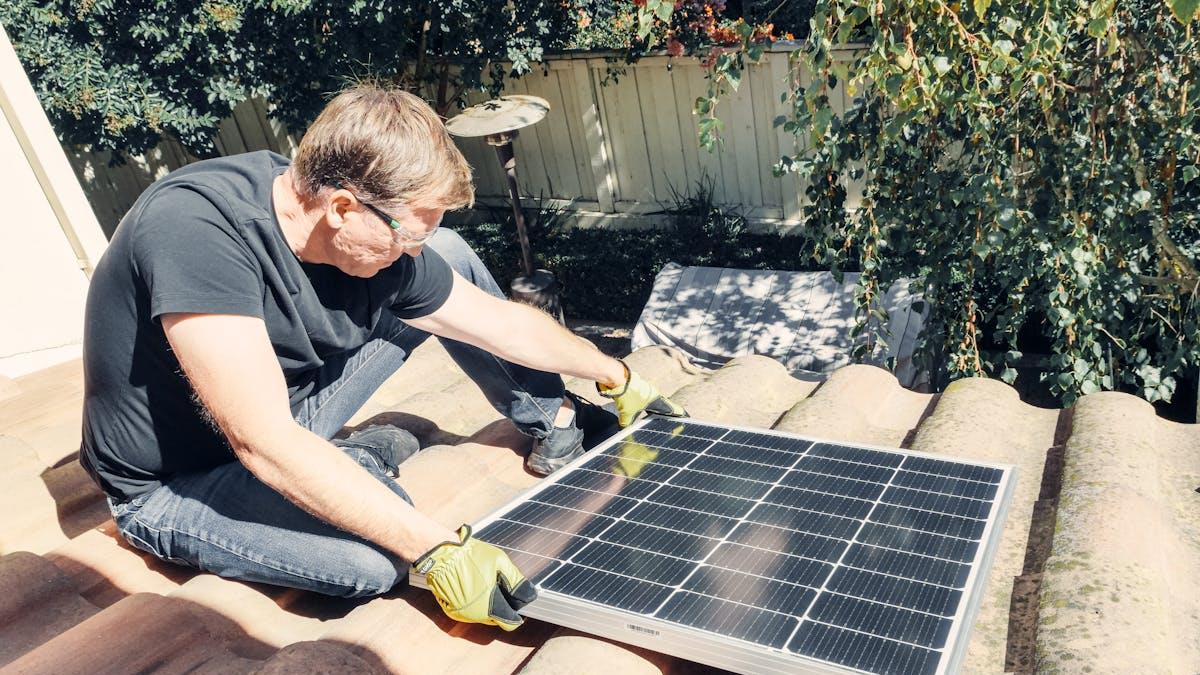
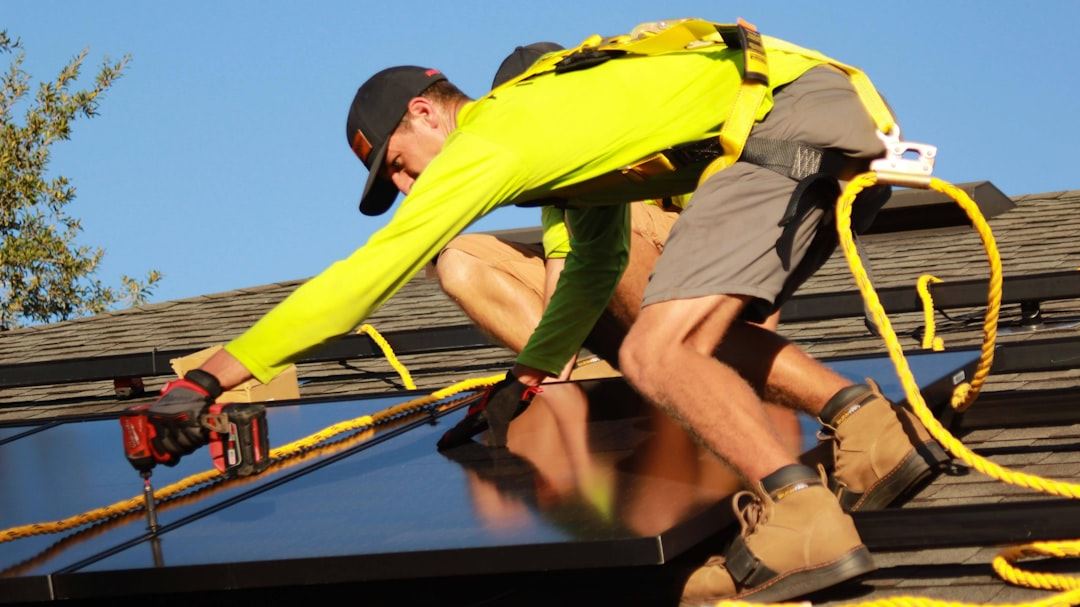
Installation involves site evaluation, design approval, permitting, panel mounting, wiring, and system commissioning. Certified installers adhere to strict safety and quality standards. Proper planning minimizes roof penetrations and ensures aesthetic integration.
Permits, Inspections, and Interconnection
Homeowners must obtain local permits and pass inspections before connecting the system to the grid. Utilities typically require interconnection agreements and net metering setup, which allows excess power to be fed back into the grid, providing credits on your electricity bill.
Maintenance, Monitoring, and Longevity of Your Solar System
Routine Maintenance for Optimal Performance
Regular cleaning of panels and checking for shading or debris ensures consistent energy production. It is also advisable to inspect mounting hardware and electrical connections annually.
Monitoring Systems and Performance Data
Many home solar panel systems come with monitoring software, allowing homeowners to track energy production, identify issues early, and optimize usage. These tools provide real-time insights, supporting maintenance and maximizing return on investment.
Estimated Lifespan and End-of-Life Considerations
Most solar panels are designed to last 25-30 years. After this period, efficiency declines but systems still provide value. Recycling programs and warranties help manage aging components sustainably.
Real-Life Success Cases and Future Trends
Numerous U.S. households have successfully transitioned to solar, benefiting from lower energy costs and federal incentives. Innovations like bifacial panels and integrated storage promise to further increase efficiency and affordability. As technology evolves, the home solar panel system landscape will continue to expand, offering more options for homeowners seeking sustainable solutions.
Conclusion: Making the Solar Shift in Your Home
Choosing the right home solar panel system involves careful planning, professional guidance, and understanding your unique needs. With the right system, you can reduce your carbon footprint, enjoy substantial savings, and contribute to a greener future for the United States. Embrace the opportunities solar energy offers and start your journey today.