Understanding Bone Density Tests: A Comprehensive Guide to Assessing Your Bone Health
Learn everything about bone density tests, from what they are and why they matter to how they can help detect osteoporosis early. This comprehensive guide provides expert insights, real-world scenarios, and practical advice to help you understand your bone health and take action effectively.

Introduction to Bone Density Testing
Maintaining healthy bones is essential for mobility, independence, and overall well-being. As we age, our bones can become fragile and susceptible to fractures, especially in individuals at risk of osteoporosis. The bone density test is a crucial diagnostic tool that provides insights into bone strength and health. This article explores what a bone density test is, why it is important, and how it can help you take proactive steps to protect your bones.
What is a Bone Density Test?
A bone density test, also known as dual-energy X-ray absorptiometry (DXA or DEXA) scan, measures the mineral content in your bones, primarily calcium and phosphorus. The test is non-invasive, quick, and highly accurate. It is commonly performed on the hip, spine, or forearm to assess bone strength and diagnose conditions like osteoporosis and osteopenia.
The Significance of Bone Density Testing
Detecting Osteoporosis Early
Early detection of decreased bone density allows for timely intervention, which can significantly reduce the risk of fractures. According to experts in osteoporosis research, early diagnosis is key to effective management and improved quality of life.
Assessing Fracture Risk
Bone density scores help healthcare providers evaluate an individual's risk of experiencing fractures in the future. This assessment guides decisions on lifestyle changes, medications, and other preventive measures.
Who Should Consider a Bone Density Test?
While proactive testing can be beneficial for many, certain groups should consider screening more urgently:
- Postmenopausal women over age 65
- Men aged 70 and older
- Individuals with a history of fractures
- People with conditions affecting bone health like rheumatoid arthritis or hormonal disorders
- Patients on long-term corticosteroid therapy
The Procedure: What to Expect
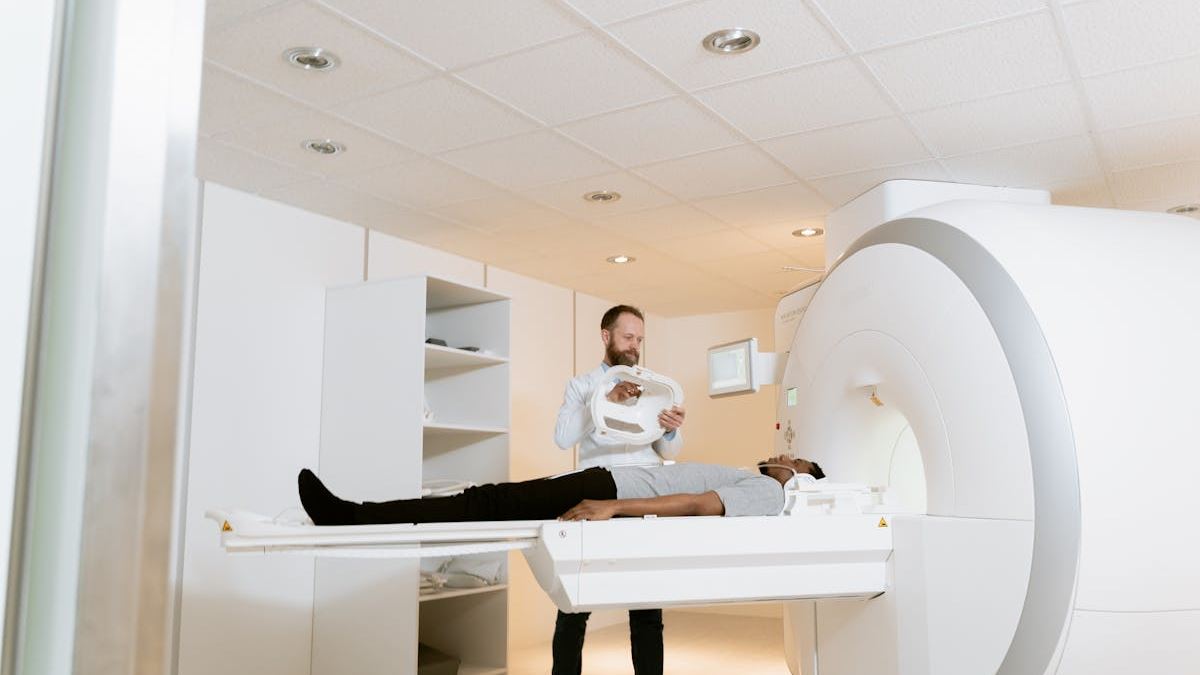
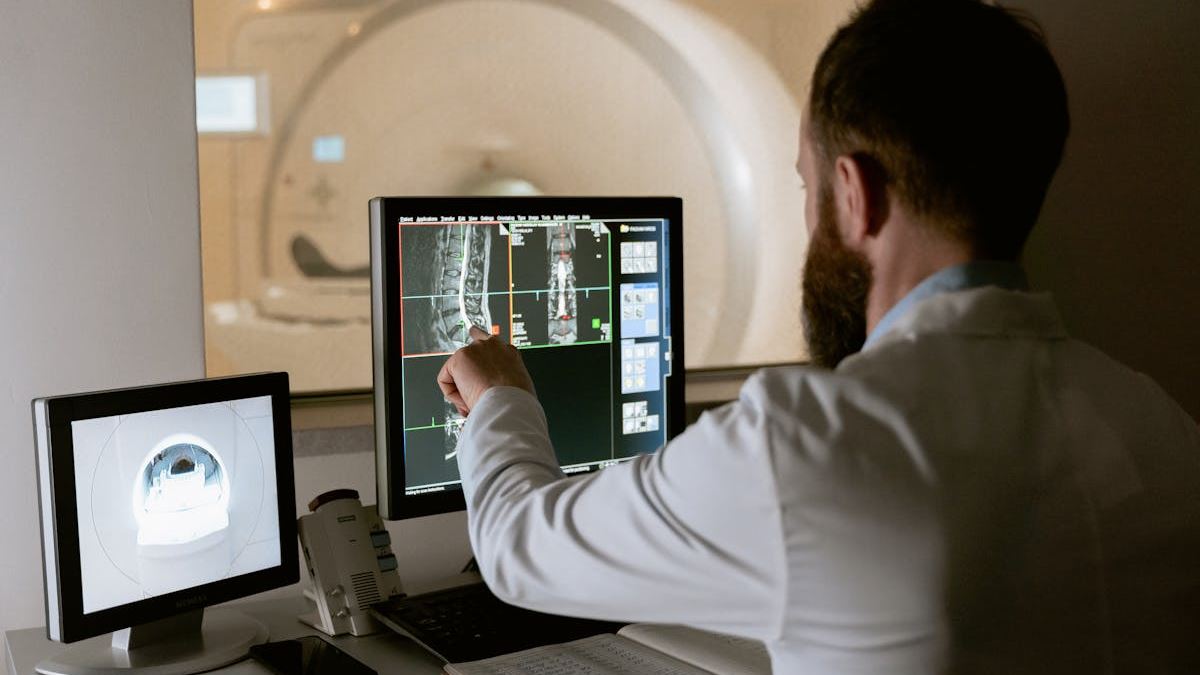
The bone density test is simple and painless. During the procedure, a scanner passes over your body part being examined, capturing images that are analyzed to evaluate bone mineral density. The process typically takes about 10-30 minutes, with minimal radioactive exposure.
Interpreting the Results
Test results are reported as T-scores and Z-scores. A T-score compares your bone density to that of a healthy young adult, while a Z-score compares it to peers of your age and sex. A T-score of -1.0 or above is considered normal, between -1.0 and -2.5 indicates osteopenia (low bone mass), and -2.5 or below signifies osteoporosis.
Next Steps After the Test
If your results indicate low bone density, your healthcare provider may recommend lifestyle modifications such as diet and exercise, medications like bisphosphonates, or other interventions. Regular follow-up testing can monitor response to treatment and disease progression.
Conclusion: Taking Control of Your Bone Health
The bone density test is a vital tool in preventing fractures and maintaining mobility, especially in at-risk populations. Early detection and proper management can dramatically improve quality of life and long-term health outcomes. Consult your healthcare provider to determine if a bone density scan is appropriate for you and take proactive steps toward stronger bones today.