Understanding COPD and Emphysema: A Comprehensive Guide for Patients and Caregivers
December. 08,2025
Discover a detailed guide on COPD emphysema, exploring causes, symptoms, diagnosis, treatment options, and lifestyle tips for patients and caregivers. Stay informed about recent advances and preventive measures to manage this chronic lung disease effectively.

Introduction to COPD and Emphysema
Chronic Obstructive Pulmonary Disease (COPD) and emphysema are often mentioned together but represent different aspects of a common respiratory challenge. COPD is a progressive lung disease characterized by airflow limitation that is not fully reversible, primarily caused by long-term exposure to irritants like cigarette smoke. Emphysema, a subtype of COPD, involves the destruction of alveoli, the tiny air sacs in the lungs responsible for gas exchange. Understanding these conditions is crucial for early diagnosis and effective management.
The Pathophysiology of COPD Emphysema
In COPD emphysema, exposure to harmful substances triggers an inflammatory response that damages lung tissues. Over time, this leads to the breakdown of alveolar walls, decreasing surface area for oxygen and carbon dioxide exchange. Patients often experience shortness of breath, chronic cough, and fatigue. Real-world scenarios highlight how lifestyle factors like smoking accelerate disease progression, emphasizing the importance of early intervention.
Risk Factors and Causes
Although smoking remains the leading cause of COPD emphysema, other factors such as genetic predisposition (like alpha-1 antitrypsin deficiency), exposure to pollution, and occupational hazards also contribute. Discussing case studies of patients with long-term exposure to industrial dust or secondhand smoke helps contextualize these risks.
Symptoms and Early Detection
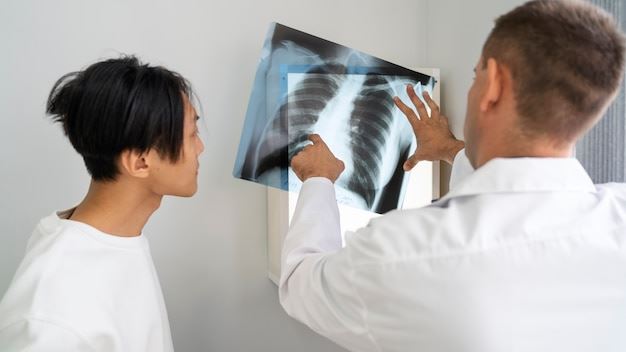
Recognizing symptoms—persistent cough, wheezing, shortness of breath particularly during physical activity—is essential. Diagnostic tools include spirometry, chest X-rays, and CT scans. Experts emphasize the importance of routine check-ups, especially for smokers or those with a family history, to catch symptoms early and prevent further lung damage.
Modern Treatment Options
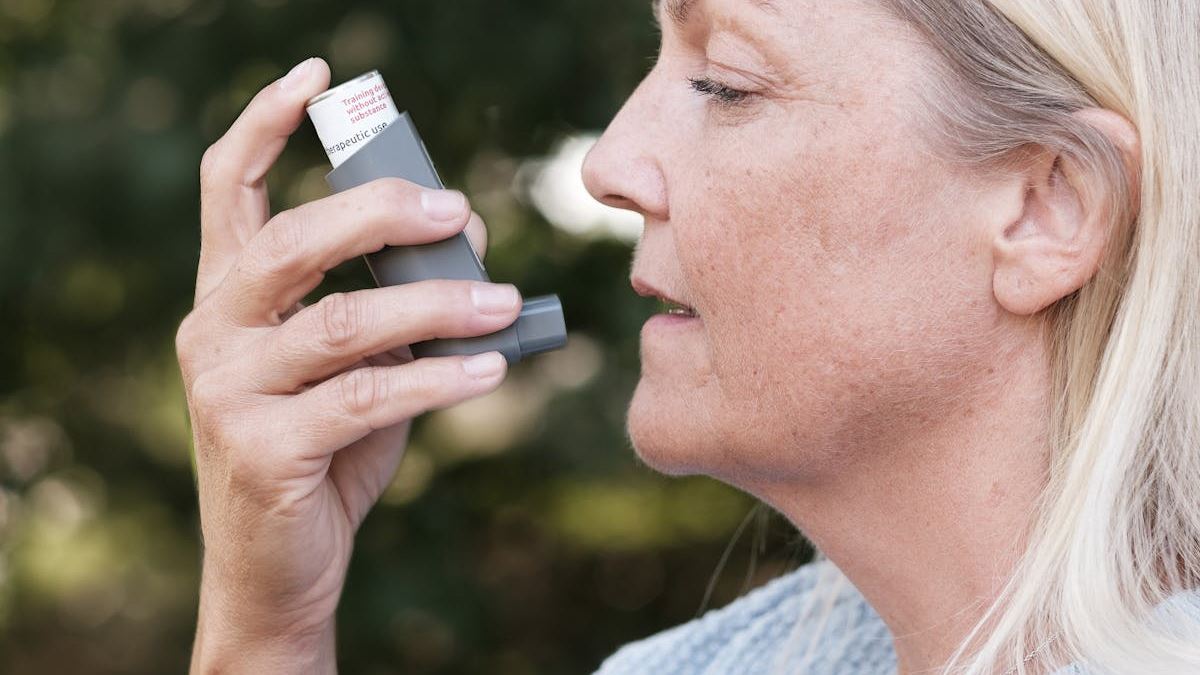
While COPD emphysema remains incurable, several therapies can improve quality of life. Medications such as bronchodilators, inhaled steroids, and oxygen therapy are standard. Pulmonary rehabilitation programs offer tailored exercise and education plans. Innovations like minimally invasive lung volume reduction surgeries and emerging pharmacological treatments are revolutionizing patient care, with ongoing research focusing on slowing disease progression.
Living with COPD Emphysema: Tips and Lifestyle Changes
Adopting a healthy lifestyle is vital. Quitting smoking, managing environmental exposures, maintaining a balanced diet, and regular exercise can slow progression. Support groups and counseling provide emotional resilience, helping patients cope with lifestyle adjustments. Real stories from patients underscore the importance of support systems and adherence to treatment plans.
Preventive Strategies and Public Health Initiatives
Public health campaigns aim to reduce smoking rates and improve air quality. Employers and policymakers play a critical role by enforcing workplace safety standards and pollution controls. Education about the risks of COPD emphysema and early screening programs can significantly decrease disease burden in the community.
Future Directions in COPD Emphysema Research
Scientists are exploring regenerative therapies, gene editing, and novel drug delivery systems. Precision medicine approaches aim to customize treatment based on genetic and environmental factors. Discussions with experts highlight how these advances promise a future with better management options and possibly, a cure.