Understanding COPD: A Comprehensive Guide to Lung Health and Management
Explore the comprehensive guide to COPD, covering its causes, symptoms, diagnosis, and management strategies. Learn how early detection and lifestyle changes can improve quality of life for those living with this chronic lung condition. Ideal for patients, caregivers, and healthcare providers seeking in-depth insights into COPD.

Introduction to COPD: The Silent Respiratory Disease
Causes and Risk Factors of COPD
Primary Causes
The primary cause of COPD is long-term exposure to harmful particles and gases, with cigarette smoking being the most significant risk factor. Other causes include environmental pollutants, occupational dust and chemicals, and genetic factors such as Alpha-1 antitrypsin deficiency. Real-world scenarios demonstrate that individuals working in construction, mining, or manufacturing industries face higher risks.
Additional Risk Factors
Exposure to secondhand smoke, indoor air pollution from biomass fuel, and respiratory infections during childhood can also increase susceptibility. Age and gender play roles, as older adults and men historically had higher prevalence, though recent trends show increasing rates among women and younger populations.
Symptoms and Diagnosis of COPD
Recognizing the Symptoms
Common symptoms include persistent breathlessness, chronic cough, sputum production, wheezing, and chest tightness. Patients often delay seeking care, misattributing symptoms to aging or allergies. Early diagnosis is vital for effective management.
Diagnostic Tools and Procedures
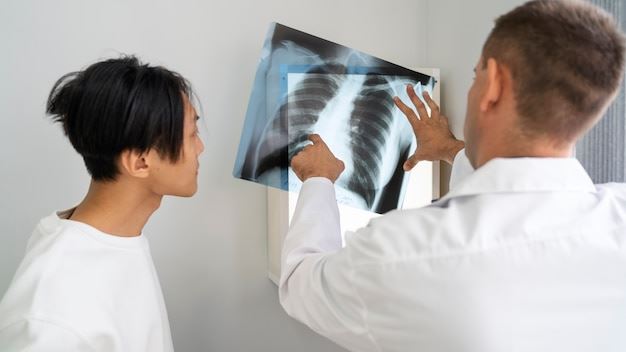
Diagnosis relies heavily on spirometry, a simple pulmonary function test measuring airflow obstruction. It involves exhaling forcefully into a device to assess lung capacity. Additional assessments such as chest X-rays, blood tests, and arterial blood gases help determine disease severity and rule out other conditions.
Managing COPD: Treatment Options and Lifestyle Changes
Pharmacologic Therapies
Medications include bronchodilators, corticosteroids, phosphodiesterase-4 inhibitors, and combination inhalers. Inhaler technique and adherence are crucial, so patient education plays a significant role.
Non-Pharmacologic Strategies
Smoking cessation remains the most effective intervention. Pulmonary rehabilitation programs improve exercise capacity and reduce symptoms. Oxygen therapy may be necessary for advanced cases, and vaccinations against influenza and pneumonia reduce risks of exacerbations.
Living with COPD: Patient-Centered Care
Psychosocial support, dietary counseling, and tailored exercise plans enhance overall well-being. Patients are encouraged to monitor their symptoms and develop action plans for exacerbations, which can prevent hospitalizations and improve quality of life.
Prevention and Public Health Perspectives
Preventative Measures
Public health initiatives focus on reducing tobacco use, controlling air pollution, and promoting occupational safety. Early screening programs target high-risk populations to facilitate timely interventions.
The Role of Healthcare Providers
Healthcare professionals need to promote awareness, support smoking cessation, and provide comprehensive education on disease progression. Policy efforts aim to improve access to diagnostic tools and therapies, ensuring equitable care across demographics.
Real-World Impact and Patient Stories
Meet Jane, a 65-year-old woman diagnosed with COPD after persistent cough and shortness of breath limited her daily activities. With medication, lifestyle modifications, and support, she regained independence. Stories like Jane’s highlight the importance of awareness and proactive management.