Understanding Emphysema: Causes, Symptoms, and Advances in Management
Explore comprehensive insights into emphysema, including its causes, symptoms, diagnostic procedures, treatment options, and patient management strategies. This authoritative guide provides valuable information for those seeking to understand or live with emphysema, emphasizing early detection and modern therapies to improve quality of life.

Introduction to Emphysema
Emphysema is a chronic respiratory condition characterized by damage to the alveoli, the tiny air sacs in the lungs where oxygen exchange occurs. This damage leads to difficulty in breathing and decreased oxygen supply to the body. As one of the main components of chronic obstructive pulmonary disease (COPD), emphysema affects millions of individuals across the United States. Understanding its causes, recognizing symptoms early, and exploring treatment options are crucial in managing this progressive disease.
What Causes Emphysema?
Primary Risk Factors
Smoking remains the leading cause of emphysema, accounting for approximately 85-90% of cases. The harmful chemicals in cigarette smoke damage the alveoli, leading to their destruction over time. Other risk factors include prolonged exposure to air pollution, occupational hazards such as dust and chemical fumes, and genetic predispositions like alpha-1 antitrypsin deficiency, a rare inherited disorder that impairs lung tissue protection.
Environmental and Lifestyle Contributors
Living in areas with high air pollution levels or working in industries with exposure to dust, fumes, or chemical irritants increases the risk of developing emphysema. Lifestyle choices, including long-term smoking and poor air quality indoors, significantly influence disease progression. Understanding these factors can help in adopting preventive strategies to minimize risk.
Recognizing the Symptoms of Emphysema
Early stages of emphysema often present with subtle symptoms that can be overlooked. Common signs include persistent cough, shortness of breath during physical activity, wheezing, and chest tightness. As the disease advances, individuals may experience severe breathlessness even at rest, fatigue, weight loss, and frequent respiratory infections. Recognizing these symptoms early is vital for prompt diagnosis and intervention.
Diagnosis and Medical Evaluation
Diagnostic Tools and Tests
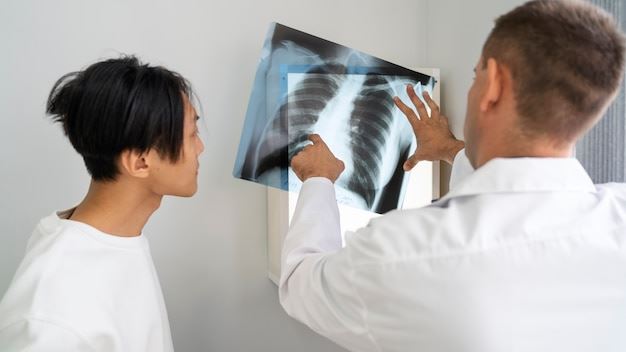
Physicians typically employ a comprehensive approach to diagnose emphysema, including detailed medical history, physical examination, and pulmonary function tests such as spirometry to measure airflow. Chest X-rays and computed tomography (CT) scans provide visual evidence of lung damage. Blood tests may also be performed to assess oxygen levels and exclude other conditions.
Importance of Early Detection
Early diagnosis of emphysema allows for timely intervention to slow disease progression, improve quality of life, and reduce complications. Regular screening is especially important for individuals at high risk, such as long-term smokers or those with occupational exposures.
Management Strategies and Treatment Options
Medical Treatments
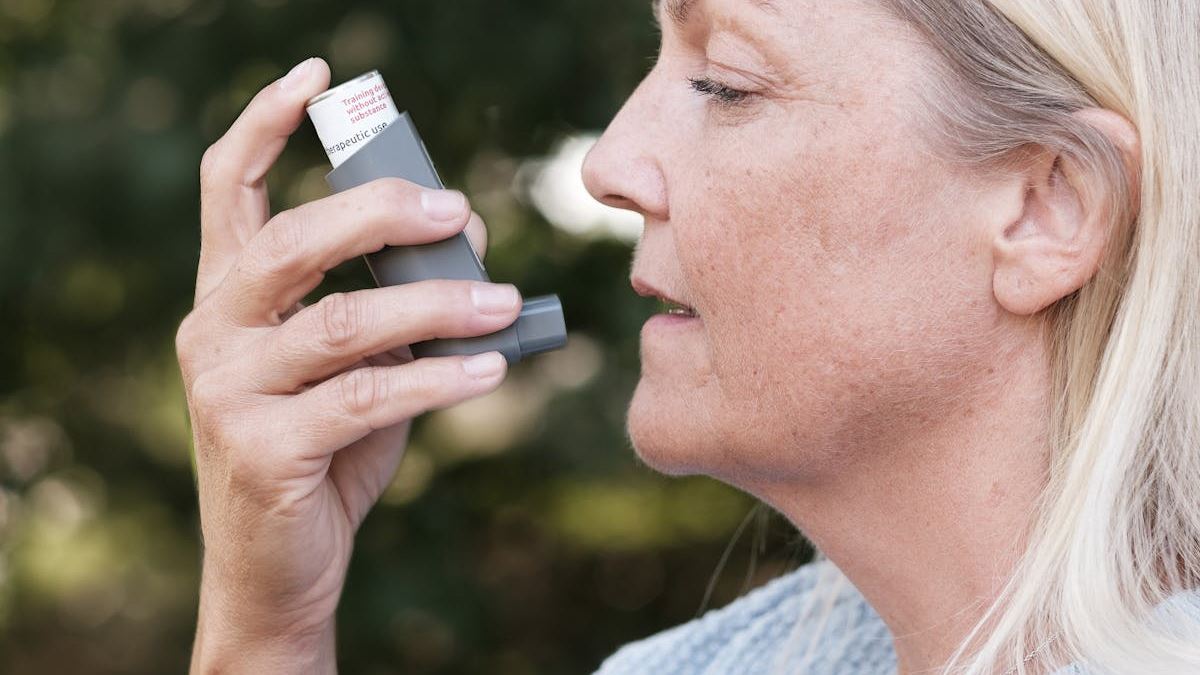
The primary goals in managing emphysema are to relieve symptoms, improve lung function, and prevent disease progression. Treatments include bronchodilators to open airways, corticosteroids to reduce inflammation, and supplemental oxygen therapy for severe cases. In certain cases, surgical interventions such as lung volume reduction surgery or lung transplantation may be considered.
Lifestyle Modifications
Quitting smoking is the most effective measure to halt disease progression. Pulmonary rehabilitation programs incorporating exercise, education, and nutritional counseling improve lung capacity and overall well-being. Avoiding respiratory irritants and staying up-to-date with vaccinations like influenza and pneumonia vaccines are also vital.
Emerging Therapies and Research
Advances in research are paving the way for novel treatments, including stem cell therapies and targeted medications that specifically address emphysema's underlying pathology. Staying informed about ongoing clinical trials can offer hope for future management options.
Living with Emphysema: Patient Perspectives
Living with emphysema requires adjusting daily routines and managing fluctuating symptoms. Support groups and counseling provide emotional assistance and practical advice. Many patients share stories of overcoming challenges, emphasizing the importance of early diagnosis and comprehensive care. Healthcare professionals stress the significance of proactive engagement with treatment plans and lifestyle changes to enhance quality of life.
Educational resources help patients understand their condition better, empowering them to make informed decisions and advocate for their health. Technological aids, such as portable oxygen devices and breathing exercises, have significantly improved independence and safety for those affected.
The Future of Emphysema Treatment and Prevention
As medical science advances, new therapies aimed at halting or reversing alveolar destruction are on the horizon. Public health initiatives focusing on smoking cessation, air quality improvement, and occupational safety are critical preventive measures. Personalized medicine approaches, integrating genetic profiles and biomarker analysis, hold promise for tailored treatments that maximize efficacy and minimize side effects.
Preventive strategies extend beyond individual actions to community-level policies that reduce air pollution, enforce workplace safety standards, and promote respiratory health education. Collaboration among healthcare providers, researchers, policymakers, and patient advocacy groups is essential in the fight against emphysema.