Comprehensive Guide to Smart Home Security Systems: Protecting Your Home in the Digital Age
Discover the essentials of smart home security systems in this comprehensive guide. Learn about key features, benefits, installation tips, and future trends to protect your home effectively. Ideal for homeowners seeking reliable, innovative security solutions in the United States.

Introduction: Embracing the Future of Home Security
Understanding Smart Home Security Systems: Features and Components
Core Components of Smart Home Security Systems
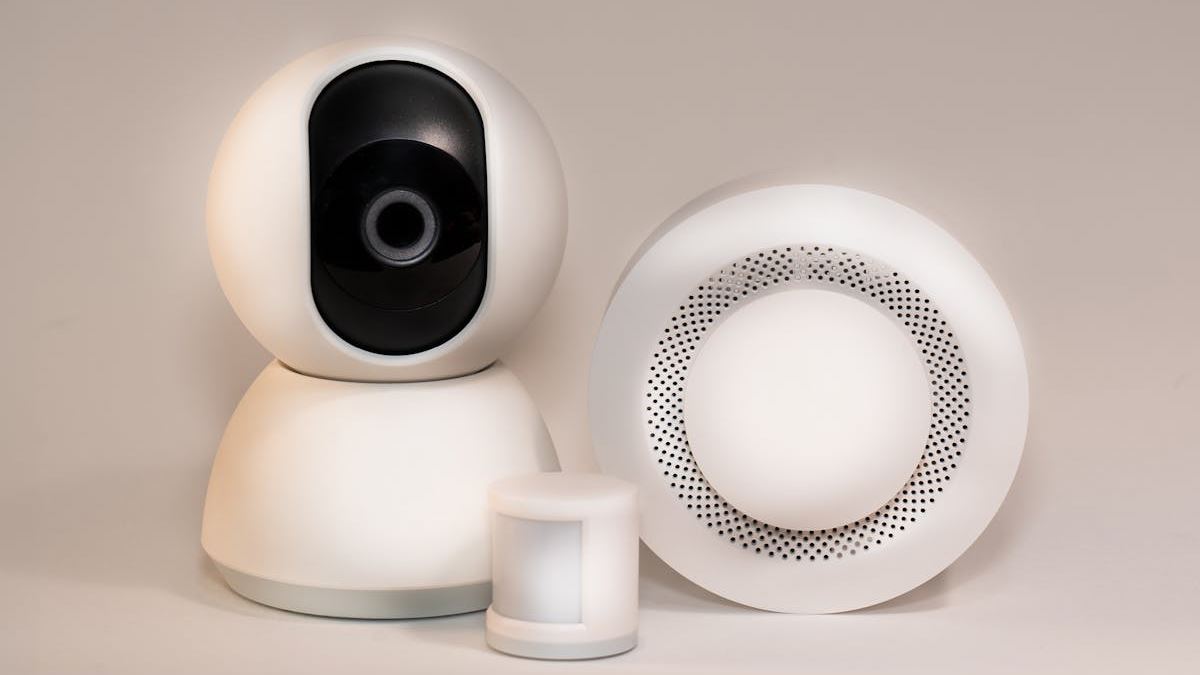
Smart home security systems typically comprise various interconnected devices designed to monitor, detect, and respond to security breaches. Essential components include smart cameras, motion detectors, door and window sensors, smart locks, and alarm systems. These devices communicate via Wi-Fi or dedicated hubs, enabling centralized control through smartphone apps or voice assistants.
Key Features and Capabilities
Today’s smart home security systems boast features such as real-time video streaming, motion alerts, facial recognition, automated locking, and custom alarm triggers. Many systems also incorporate artificial intelligence to differentiate between humans, pets, and animals, reducing false alarms. Integration with other smart devices like lighting and thermostats enhances overall security and energy efficiency.
The Benefits of Installing Smart Home Security Systems
Enhanced Security and Safety
Smart home security systems provide continuous surveillance and instant alerts for suspicious activities. With remote access, homeowners can monitor their property anytime, anywhere, significantly reducing vulnerability to break-ins and vandalism.
Convenience and Control
Control your security devices via smartphone applications or voice command, creating a seamless experience. Automations such as scheduling lights or locking doors can be programmed to operate automatically, enhancing convenience.
Cost Savings and Insurance Benefits
Many insurance providers offer discounts for homes equipped with advanced security systems. Additionally, preventing theft or property damage saves significant costs over time.
Integration with Smart Home Ecosystems
Smart home security seamlessly integrates with platforms like Alexa, Google Assistant, and Apple HomeKit, allowing centralized management and automation that enhances overall home intelligence.
Choosing the Right Smart Home Security System for Your Needs
Assessing Your Security Needs
Identify vulnerable points in your home, such as entrances, windows, and outdoor spaces. Consider whether you need features like outdoor cameras, doorbell cameras, or monitoring services.
Budget Considerations
Smart security systems vary in price based on features and complexity. Establish a budget and compare plans that offer flexibility, scalability, and reliable customer support.
Professional Installation vs. DIY
While many systems are designed for easy DIY installation, some homeowners prefer professional setup for optimal performance and integration. Evaluate your technical comfort level accordingly.
Reputation and Security Certifications
Choose providers with excellent customer reviews, strong encryption standards, and compliance with industry security protocols to safeguard your data and privacy.
Installation and Maintenance Tips
Optimal Placement of Devices
Place cameras and sensors at strategic points for maximum coverage, such as entry points, driveways, and outdoor areas. Test each device to ensure clear visibility and reliable connectivity.
Regular Updates and Maintenance
Keep firmware and software updated to protect against vulnerabilities. Regularly inspect devices for damage or obstructions, and replace batteries as needed.
Leveraging Smart Home Integration
Integrate your security system with other smart devices to create personalized automation. For instance, set lights to turn on when motion is detected at night, or receive alerts on your smartwatch.
Emerging Trends and Future Outlook for Smart Home Security Systems
Artificial Intelligence and Machine Learning
AI-driven security offers predictive analytics, smarter threat detection, and enhanced responsiveness, making systems more proactive and less intrusive.
Enhanced Data Privacy and Security Measures
As cyber threats evolve, manufacturers are adopting advanced encryption, multi-factor authentication, and local storage options to protect user data.
Integration with Broader Home Management Systems
Future smart home security systems will seamlessly connect with energy management, health monitoring, and household automation platforms, creating holistic home ecosystems.
Conclusion: Investing in Your Home’s Safety