Comprehensive Guide to Security Cameras: Choosing the Right Surveillance Solution for Your Home and Business
Discover comprehensive insights into choosing and installing the right security cameras for your home or business. This guide covers types, features, legal considerations, and future trends to help you make informed security decisions. Protect your property effectively with expert advice and real-world examples tailored for the US market.
Understanding the Importance of Security Cameras
In an era where safety and security are paramount, security cameras have become an essential component of both residential and commercial properties across the United States. These surveillance devices serve not only as a deterrent to potential intruders but also as vital tools for gathering evidence in case of criminal activities. Whether you own a small business, manage a large enterprise, or simply want to keep your home protected, understanding the various types of security cameras and their specific features can significantly enhance your security strategy.
Types of Security Cameras and Their Features
Indoor vs. Outdoor Security Cameras
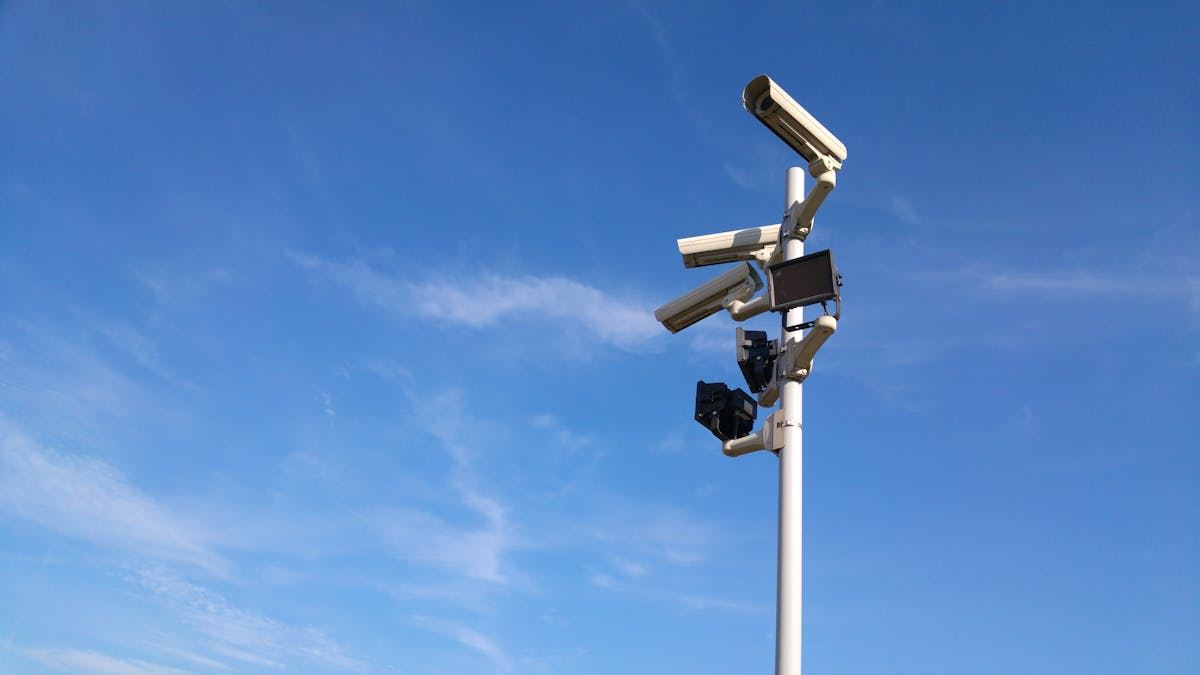
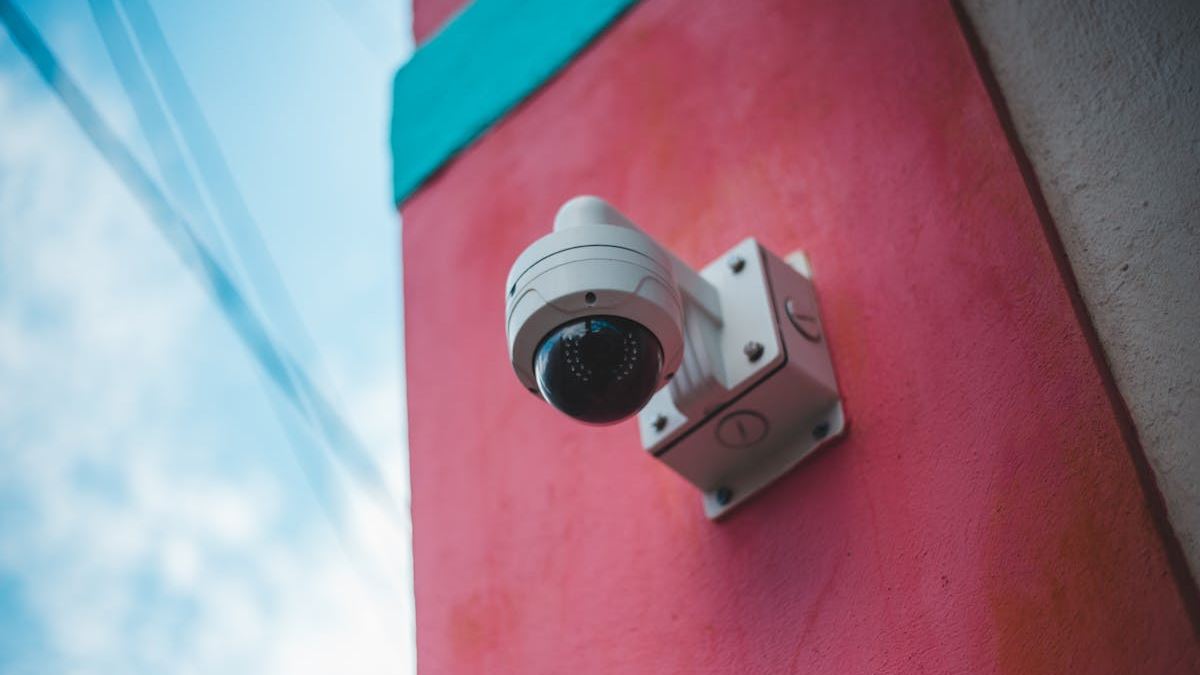
Indoor security cameras are designed to monitor the interior of your property, providing real-time video feeds accessible from anywhere. These cameras are ideal for keeping an eye on children, pets, or employees. Outdoor security cameras, on the other hand, are built to withstand harsh weather conditions and provide coverage for entry points, driveways, and yards. Selecting the right type depends on your specific security needs and installation environment.
Wired vs. Wireless Security Cameras
Wired security cameras offer a reliable connection and are less susceptible to interference, making them suitable for permanent setups. Wireless cameras provide greater flexibility, easy installation, and remote access. Advances in Wi-Fi technology have made wireless security cameras increasingly reliable, though considerations such as Wi-Fi coverage and bandwidth are important factors to evaluate.
High-Definition and Night Vision Capabilities
High-definition security cameras ensure clear image quality, which is essential for identifying faces, license plates, or other critical details. Night vision capabilities are equally important for around-the-clock surveillance, allowing cameras to capture images in low light or complete darkness using infrared technology. These features are crucial for comprehensive security coverage.
Key Features to Consider When Choosing Security Cameras
Motion Detection and Alerts
Modern security cameras come equipped with motion detection sensors that trigger alerts or record footage when movement is detected. This feature helps reduce storage needs and ensures you are notified promptly of any suspicious activity, enabling swift response actions.
Remote Access and Cloud Storage
Remote access via smartphone or computer allows property owners to monitor their cameras live from anywhere. Cloud storage options provide secure, off-site storage of footage, safeguarding your data in case of physical damage or theft of the camera equipment. Balancing storage costs and security benefits is essential when selecting a system.
Integration with Smart Home Systems
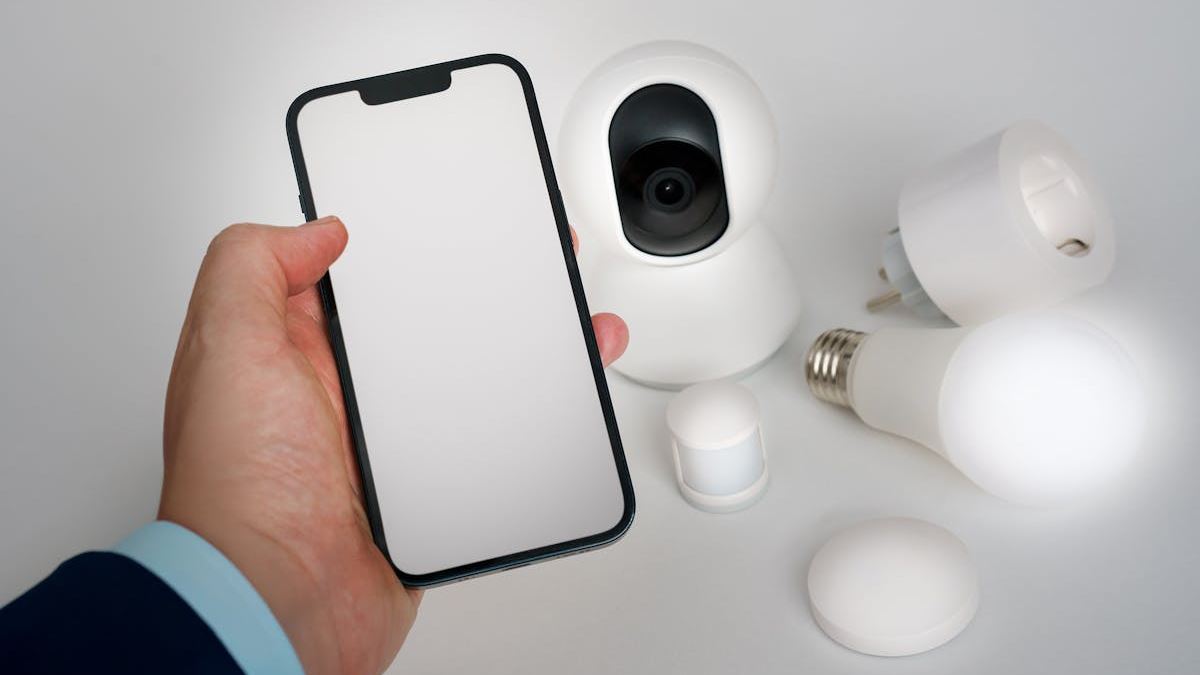
Many security cameras can integrate with smart home platforms like Alexa, Google Home, or Apple HomeKit, enabling automation and centralized control. This integration enhances convenience and offers seamless security management alongside other smart devices in your property.
Legal and Privacy Considerations in the United States
Before installing security cameras, it’s important to understand legal guidelines and privacy laws in the United States. Cameras should not infringe upon neighbors' privacy or record areas where there is an expectation of privacy, such as inside private homes or bathrooms. Familiarity with local ordinances ensures compliance and helps avoid legal complications.
Real-World Scenarios and Expert Insights
Security cameras have played pivotal roles in resolving crimes and protecting assets. For instance, footage from outdoor cameras helped identify suspects in a residential burglary in California, leading to their swift apprehension. Experts recommend positioning cameras at strategic points such as entrances, driveways, and dark corners for maximum coverage. Consulting with security professionals can optimize camera placement and system integration.
Future Trends in Security Camera Technology
The Future of security cameras includes advancements like AI-powered analytics, facial recognition, and increased integration with IoT devices. These innovations will provide smarter, more proactive security solutions that can differentiate between humans, animals, and objects, reducing false alarms and enhancing response times. As technology advances, affordability and accessibility are expected to improve, making comprehensive security systems available to a broader audience.
Conclusion: Securing Your Property with Confidence
Choosing the right security cameras involves understanding your specific needs, environment, and budget. From basic outdoor cameras to advanced AI-driven surveillance systems, there are options suitable for every scenario. Proper installation, regular maintenance, and adherence to legal standards are key to maximizing the efficacy of your security setup. In an unpredictable world, investing in security cameras provides peace of mind, knowing your property and loved ones are protected around the clock.