The Ultimate Guide to Wireless Security Cameras: Enhancing Home Security in the United States
November. 27,2025
Discover the comprehensive guide to wireless security cameras tailored for American homeowners. Learn about features, placement tips, security best practices, and future trends to enhance your home security effectively. Stay informed with expert insights and make smarter choices today.
Introduction: Why Wireless Security Cameras Are Essential in Modern Home Security
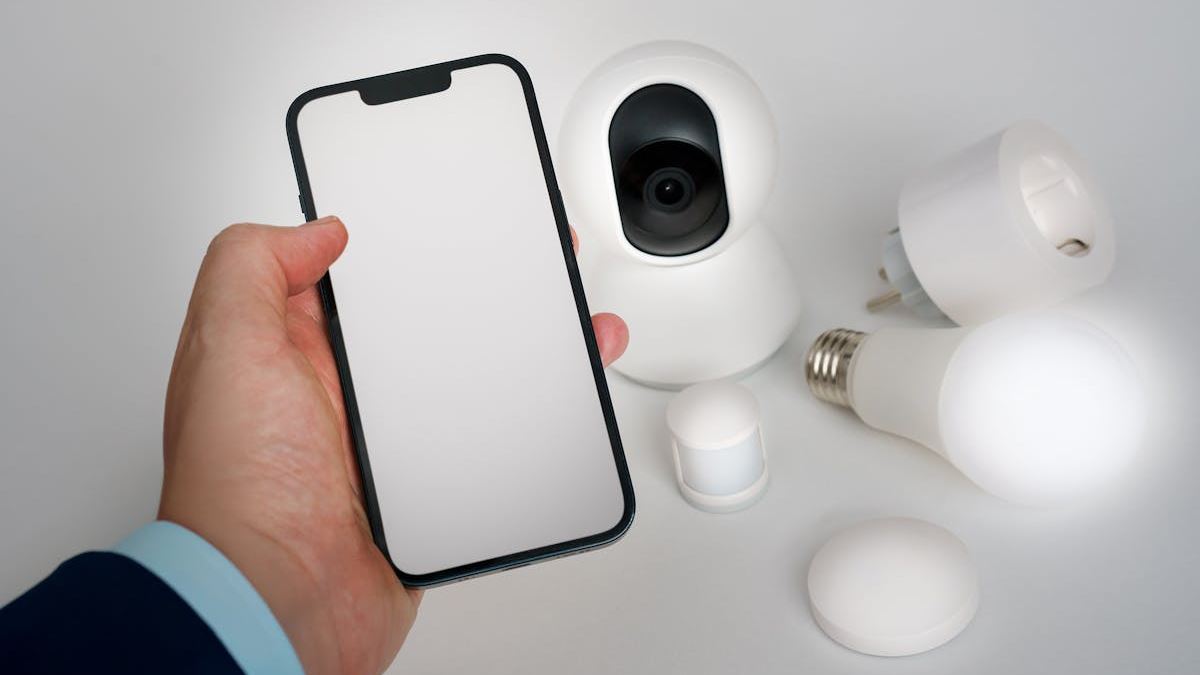
In today's rapidly evolving technological landscape, home security has become a top priority for American families. Wireless security cameras have emerged as a popular choice due to their ease of installation, flexibility, and advanced features. This comprehensive guide explores the benefits, features, and considerations for choosing the right wireless security cameras to safeguard your home effectively.
Understanding Wireless Security Cameras: Features and Types
What Are Wireless Security Cameras?
Wireless security cameras are surveillance devices that transmit video and audio signals without requiring physical wired connections. They rely on Wi-Fi or other wireless protocols to stream footage to a mobile device or cloud storage, offering a convenient and flexible security solution.
Types of Wireless Security Cameras
- Indoor Cameras: Designed for monitoring inside the home, ideal for nurseries, living rooms, and entryways.
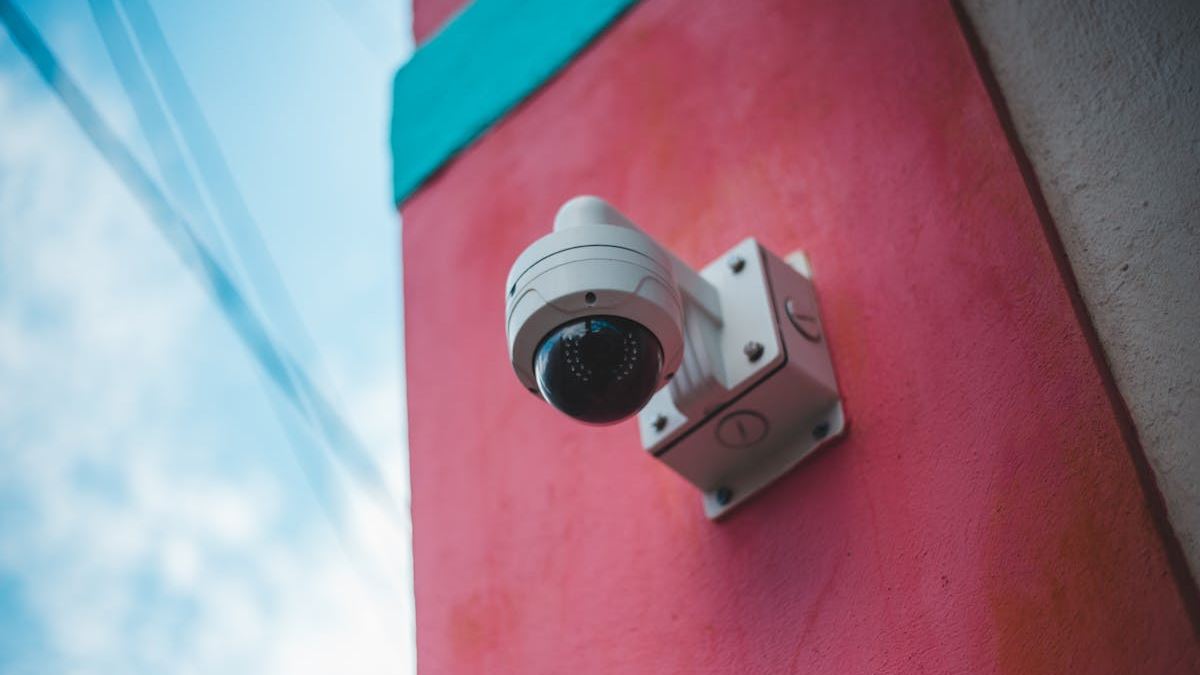
- Outdoor Cameras: Weather-resistant cameras suitable for yard surveillance, driveways, and entrances.
- PTZ Cameras: Pan, tilt, and zoom capabilities allow for comprehensive monitoring of larger areas.
- Doorbell Cameras: Integrated with doorbell systems to monitor visitors and provide two-way audio communication.
Key Features to Consider When Selecting Wireless Security Cameras
Video Resolution and Quality
High-definition video (1080p or higher) ensures clear footage, crucial for identifying faces, license plates, and other details during investigations.
Field of View and Pan-Tilt-Zoom Capabilities
A wider field of view reduces blind spots. PTZ features allow remote adjustments to monitor different areas without multiple cameras.
Night Vision and Motion Detection
Infrared night vision and intelligent motion alerts are vital for around-the-clock security, notifying homeowners of suspicious activity.
Connectivity and Compatibility
Ensure the camera integrates seamlessly with your existing home automation systems and mobile devices.
Cloud Storage vs. Local Storage
Decide between cloud subscriptions or local SD card options based on security preferences and budget.
Enhancing Security: Best Practices for Deploying Wireless Security Cameras
Strategic Placement
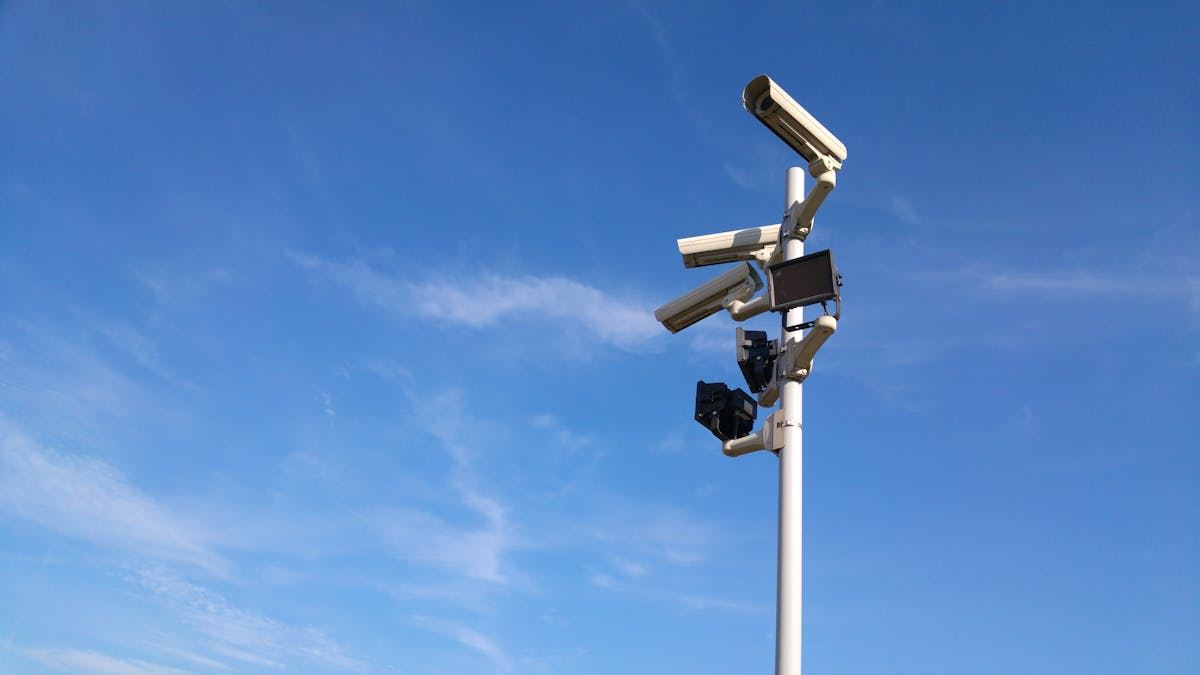
Position cameras at entry points, driveways, and blind spots for comprehensive coverage. Avoid placing them too high or too low to optimize visuals.
Securing Your Network
Use strong, unique passwords and enable two-factor authentication to protect your Wi-Fi network and camera feeds from hacking.
Regular Firmware Updates
Keep your devices up to date with the latest firmware to patch security vulnerabilities.
Privacy Considerations
Be mindful of privacy laws and avoid unlawfully monitoring neighbors or public spaces.
Expert Insights: The Future of Wireless Security Cameras in the US
Industry experts predict continued innovation in wireless security cameras, including AI-powered analytics, facial recognition, and seamless integration with smart home ecosystems. As cybersecurity remains paramount, manufacturers are also investing heavily in encryption and security protocols to protect user data. The adoption of 5G connectivity promises higher bandwidth and lower latency, enabling real-time HD streaming and remote control from anywhere in the world. For consumers, the key is balancing advanced features with robust security measures to ensure their homes remain protected without compromising privacy.