The Future of Smartphone Technology: Innovations Shaping Our Digital World
Explore the transformative journey of smartphone technology—from early innovations to cutting-edge features like foldable screens, AI-powered cameras, and 5G connectivity. This comprehensive guide discusses how these advancements are shaping our digital future and revolutionizing everyday life, providing insights into current trends and future possibilities.
Exploring the Evolution and Impact of Smartphone Technology
Smartphone technology has revolutionized the way we communicate, work, and entertain ourselves. From their humble beginnings as basic mobile phones, smartphones now serve as powerful, multifunctional devices that integrate seamlessly into our daily lives. This narrative-driven article delves into the technological advancements that have transformed smartphones over the past decade and explores how these innovations continue to shape our future.
Historical Perspective: The Journey of Smartphone Development
The Early Days of Mobile Communication
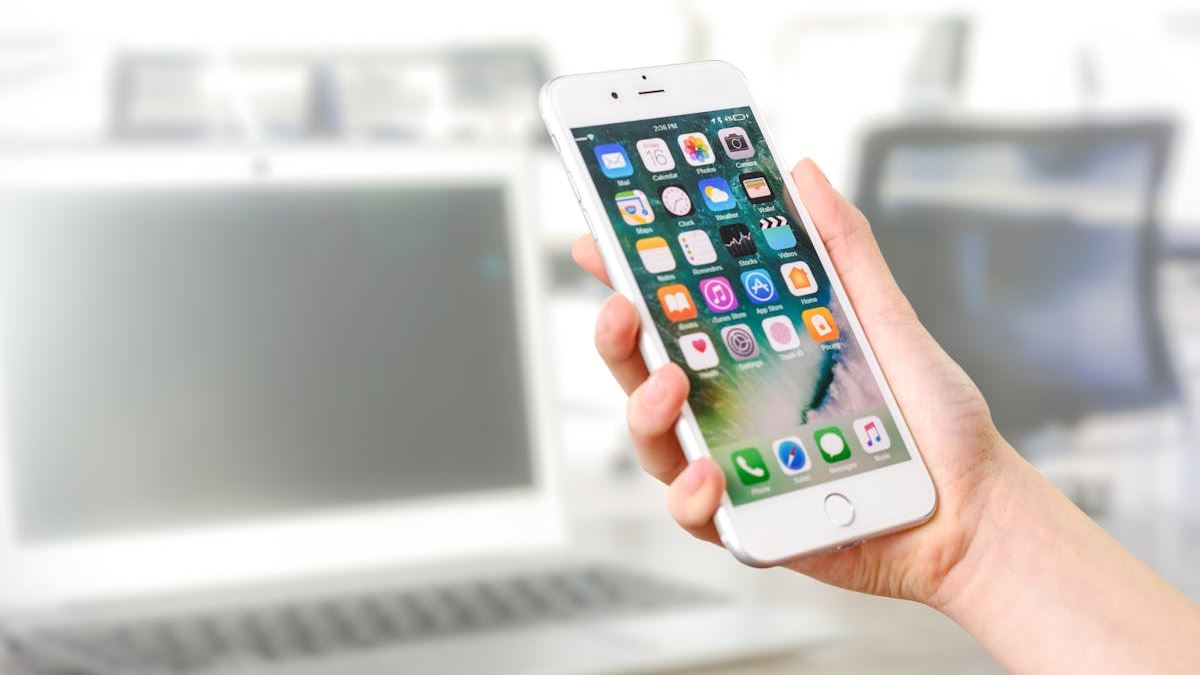
In the late 20th century, mobile phones were primarily used for voice calls. The advent of digital technology and shorter development cycles ushered in the first-generation smartphones, integrating basic features like internet access and email. As smartphone technology advanced, companies like Apple and Samsung introduced devices that combined high-resolution displays, powerful processors, and touchscreen interfaces, setting new standards for user experience.
Major Technological Shifts
The development of 4G and now 5G networks has dramatically increased data speeds, enabling more sophisticated applications like high-definition streaming, cloud gaming, and augmented reality. These seamless connectivity options have expanded the capabilities of smartphones, transforming them from simple communication tools into essential computing devices.
Cutting-Edge Innovations in Smartphone Technology
Display Technology and Design
Modern smartphones boast edge-to-edge OLED and AMOLED screens that deliver vibrant colors and deep blacks. Foldable and rollable displays are emerging, allowing devices to expand screen real estate while maintaining portability. Experts believe that flexible display technology will continue evolving, leading to new form factors that could redefine how we interact with our devices.
Processing Power and Artificial Intelligence
Advanced processors, such as Apple's A-series chips and Qualcomm's Snapdragon series, provide lightning-fast performance. Integration of artificial intelligence (AI) has enabled smarter apps, personalized experiences, voice assistants like Siri and Google Assistant, and real-time language translation, enhancing user engagement and productivity.
Camera and Imaging Technology
The trend towards professional-grade smartphone photography is evident with multi-lens setups, sensor-shift stabilization, and computational photography. These innovations allow users to capture high-quality images and videos in various conditions, rivaling traditional cameras in some scenarios.
Battery and Energy Efficiency
With increasing power demands, smartphone manufacturers focus on developing longer-lasting batteries, fast-charging solutions, and energy-efficient components. Wireless charging and reverse charging features also improve convenience and usability.
The Societal Impact and Future Directions
Transforming Communication and Business
Smartphone technology continues to redefine communications, enabling instant messaging, video calls, and social media. Businesses leverage mobile technology for marketing, remote work, and mobile payments, fostering a more connected, efficient environment.
Emerging Technologies and Trends
Looking ahead, concepts like augmented reality (AR), virtual reality (VR), and foldable devices will become more mainstream. Additionally, 6G networks and advancements in edge computing promise even faster, more reliable services. The integration of biometric security features such as facial recognition and fingerprint sensors enhances privacy and security.
Challenges and Considerations
Despite advancements, issues like data privacy, e-waste management, and digital addiction remain. Balancing technological progress with societal needs is vital for sustainable development of smartphone technology.