Empowering Elderly Users with 5G Phones: A Comprehensive Guide for Safe and User-Friendly Technology Adoption
December. 09,2025
Explore the comprehensive guide on 5G phones for elderly users in the United States. Discover how advanced connectivity enhances health monitoring, safety, and social interaction, while also overcoming adoption challenges. Perfect for seniors and their families seeking user-friendly, accessible mobile solutions to stay connected and independent.

Introduction: Embracing 5G Technology for Elderly Users
In today's rapidly evolving digital landscape, 5G phones are revolutionizing the way we communicate, access information, and stay connected. For elderly users, the advent of 5G technology offers remarkable opportunities to enhance independence, health monitoring, and social engagement. However, adopting new technology can also pose challenges. This comprehensive guide examines the importance of 5G phones for elderly users in the United States, considering various perspectives, needs, and practical considerations.
Understanding the Need for 5G Phones Among Elderly Users
Enhanced Connectivity and Communication
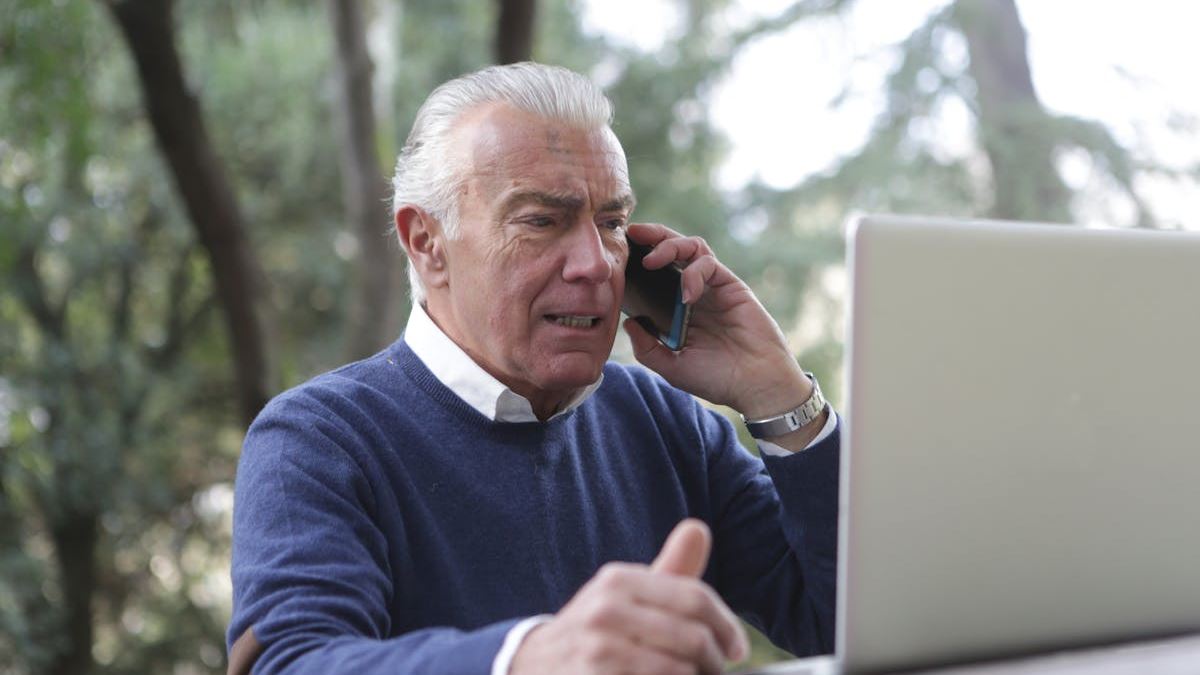
One of the primary benefits of 5G phones for elderly users is improved connectivity. Faster internet speeds enable seamless video calls, instant messaging, and reliable service, reducing feelings of isolation and improving quality of life. For example, a grandfather using a 5G-enabled smartphone can effortlessly stay connected with grandchildren across the country, participate in virtual family gatherings, or access healthcare providers via telemedicine. According to tech experts, this level of connectivity fosters stronger relationships and provides peace of mind.
Improved Healthcare Access and Monitoring
5G technology significantly advances telehealth solutions, offering real-time health monitoring and remote diagnostics. Elderly users can employ wearable devices that communicate through their 5G phones, alerting caregivers or medical professionals to urgent health issues. For instance, a 75-year-old with diabetes might use a 5G-compatible glucose monitor to transmit data directly to their doctor, enabling timely interventions. Healthcare providers emphasize that 5G-enabled devices can enhance preventive care, reduce hospital visits, and support aging in place.
Smart Home Integration and Safety
5G phones open the door to sophisticated smart home ecosystems, enhancing safety and convenience for seniors. Users can control lighting, security systems, and emergency alerts directly from their devices. A typical scenario involves a senior citizen activating a voice command to call emergency services or unlock access to caregivers, ensuring prompt assistance in emergencies. Experts note that such integration reduces risks and promotes independence among elderly users.
Key Features to Look for in 5G Phones for Elderly Users
User-Friendly Interface and Large Displays
Elderly users often prefer devices with simple interfaces, larger icons, and easy-to-read screens. Selecting 5G phones with customizable font sizes and high-contrast displays can significantly improve usability. For example, phones like the iPhone SE or Samsung Galaxy A series offer accessible features designed specifically for seniors.
Enhanced Audio and Visual Features
Clear audio quality, loud speakers, and hearing aid compatibility are critical. Phones equipped with voice amplification and visual notifications ensure seniors do not miss important alerts. Manufacturers like Apple and Samsung provide options tailored for accessibility, making communication straightforward for elderly users.
Long Battery Life and Durability
Many seniors value devices that can last throughout the day without frequent charging, especially when mobility is limited. Additionally, durable, drop-proof designs and water resistance add peace of mind. These features contribute to a positive user experience and reduce frustration.
Challenges and Solutions for Elderly Users Adopting 5G Phones
Technological Anxiety and Learning Curve
Adapting to new technology can evoke anxiety among seniors. Offering comprehensive tutorials, family assistance, and accessible customer support can ease this transition. Community tech classes and workshops specifically designed for elderly users can foster confidence.
Cost Considerations
5G smartphones may entail higher upfront costs. However, many providers offer discounted plans and devices tailored for seniors. Balancing budget constraints with essential features involves research and strategic planning.
Privacy and Security Concerns
Ensuring safety in digital spaces is essential. Educating elderly users about privacy settings, two-factor authentication, and recognizing scam attempts can protect them from cyber threats.
Expert Insights and Recommendations
Experts in gerontology and mobile technology emphasize that choosing the right 5G phone for elderly users involves understanding their specific needs and comfort levels. The integration of assistive features, social connectivity, and health applications creates a holistic experience that can significantly improve quality of life. Leading tech companies are increasingly focusing on accessible, senior-friendly designs—making 5G technology more inclusive.
Conclusion: Navigating the Future with Confidence
As 5G technology continues to expand throughout the United States, its potential to empower elderly users becomes increasingly evident. By selecting devices that combine ease of use, safety features, and connectivity options, seniors can enjoy the many benefits of the latest mobile innovations. The journey towards embracing 5G phones for elderly users is not just about technology—it's about fostering independence, health, and social engagement for the aging population.