The Evolution of Phone Companies in the United States: A Comprehensive Industry Overview
Explore the comprehensive history and future of phone companies in the US, highlighting industry evolution, key players, technological trends like 5G, and future outlooks. This detailed guide offers valuable insights for consumers, industry stakeholders, and tech enthusiasts alike.
Introduction
The landscape of phone companies in the United States has undergone significant transformation over the past few decades. From the days of bulky landlines to today’s sleek, high-speed smartphones, the industry reflects both technological innovation and shifting consumer preferences. This article provides an in-depth exploration of the evolution of phone companies, examining major players, industry trends, and future outlooks to help readers understand this dynamic sector.
Historical Background of Phone Companies in the US
Early Beginnings and Monopoly Era
The origins of phone companies in America date back to the late 19th century, with Bell Telephone Company emerging as a dominant force. During the early 20th century, monopolistic practices led to the formation of AT&T, which controlled much of the nation's telephone infrastructure. This era shaped the industry's structure, setting a foundation for regulatory changes and competition.
Regulatory Changes and Deregulation
By the 1980s, increasing concerns over monopoly power prompted government intervention, ultimately leading to the breakup of AT&T in 1984. This pivotal event opened the market to new entrants, encouraging competition and innovation among phone companies. Deregulation policies fostered competitive pricing and expanded service options for American consumers.
Major Phone Companies Today: Leadership and Market Share
Key Players in the US Market
Today, the phone companies landscape is dominated by several major corporations, including Verizon, AT&T, T-Mobile, and Sprint (now part of T-Mobile). These companies have built extensive wireless networks, offering various plans, devices, and services tailored to diverse consumer needs.
Market Share Dynamics
Market share distribution continues to shift, with T-Mobile gaining prominence through aggressive marketing and innovative plans. Verizon maintains a stronghold in network reliability, while AT&T focuses on content and entertainment offerings. Understanding these dynamics helps consumers make informed choices and highlights competitive strategies among phone companies.
Emerging Trends Impacting Phone Companies
5G Technology
The roll-out of 5G networks has revolutionized the phone companies’ service landscape, enabling faster data speeds, lower latency, and new possibilities for Internet of Things (IoT) applications. Industry leaders are investing heavily to lead the 5G race, shaping the future of mobile connectivity and innovation.
Device Innovation and Consumer Preferences
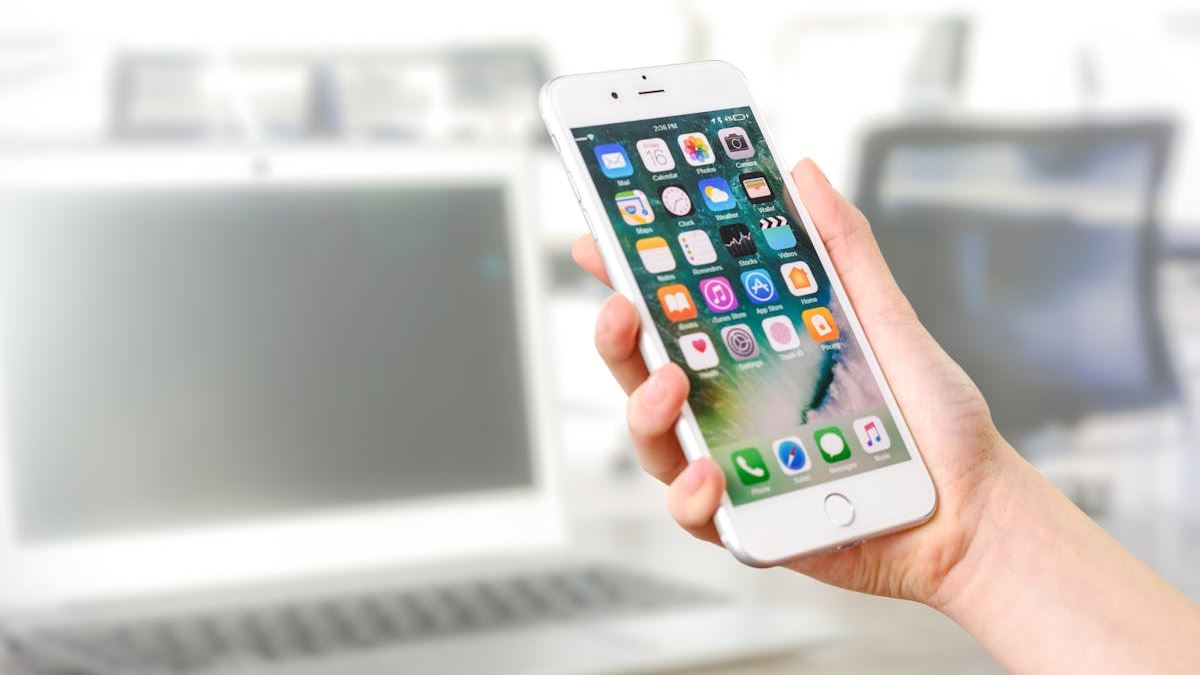
Recent years have seen a surge in flagship devices with advanced cameras, foldable screens, and AI integration. Phone companies are increasingly focusing on consumer preferences for personalization, durability, and ecosystem integration to differentiate their offerings in a competitive market.
Subscription Services and Ecosystem Expansion
Many phone companies are expanding beyond hardware to include subscription services, cloud storage, and media streaming. This integrated approach aims to boost customer loyalty and diversify revenue streams amidst fierce market competition.
Challenges and Future Outlook
Regulatory Environment and Market Competition
Ongoing regulatory issues surrounding privacy, net neutrality, and spectrum allocation will influence phone companies. Competition remains intense, with emerging players and technological disruptions prompting strategic adjustments.
Sustainability and Corporate Responsibility
Environmental concerns are increasingly impacting industry practices. Phone companies are adopting eco-friendly manufacturing, recycling programs, and renewable energy commitments to appeal to environmentally conscious consumers and comply with regulations.
Future Trends and Innovations
Looking ahead, the integration of augmented reality (AR), artificial intelligence (AI), and advanced security measures will shape the next decade of the phone companies. The industry is poised for rapid evolution driven by consumer demands and technological breakthroughs.
Conclusion
The history and future of phone companies in the United States depict a vibrant, continually evolving industry rooted in innovation, competition, and consumer needs. As technology advances, these companies will play a crucial role in shaping communication, entertainment, and connectivity in American life. Staying informed about these developments allows consumers to make smarter choices and anticipate future trends in the mobile industry.