The Ultimate Guide to Foods High Protein: Fuel Your Body with Nutrient-Packed Choices
Discover the essential role of foods high protein in promoting health and wellness. This comprehensive guide explores top protein-rich foods suitable for all dietary needs in the United States, providing practical tips, expert insights, and delicious ideas to incorporate them into your daily meals. Achieve your health goals with informed food choices that support muscle building, weight management, and overall vitality.
Introduction
In today's health-conscious society, understanding the importance of foods high protein is crucial for maintaining muscle mass, supporting metabolic health, and promoting overall wellness. Whether you're an athlete, a busy professional, or someone looking to improve your diet, incorporating high-protein foods can make a significant difference. This comprehensive guide explores a variety of high-protein foods available in the United States, highlighting their benefits, sources, and practical ways to include them in your daily meals.
Why Are Foods High Protein Essential?
Protein is often referred to as the building block of life. It plays a vital role in repairing tissues, supporting immune function, producing enzymes and hormones, and maintaining muscle mass. For individuals pursuing weight loss, muscle gain, or simply aiming for a balanced diet, foods high protein are indispensable. The Dietary Guidelines recommend that adults consume about 46 grams of protein per day for women and 56 grams for men, but needs vary depending on activity level and health goals.
Top Foods High Protein: A Closer Look
1. Lean Meats and Poultry
Lean cuts of meat such as chicken breast, turkey, and lean beef are excellent sources of high-quality protein. These meats contain minimal saturated fat, making them ideal for heart health. For example, a 3-ounce portion of chicken breast offers approximately 26 grams of protein, making it a convenient choice for filling meals.
2. Fish and Seafood
Fish like salmon, tuna, and cod provide not only high protein but also essential omega-3 fatty acids that promote brain and cardiovascular health. Salmon, in particular, offers around 22 grams of protein per 3-ounce serving, alongside healthy fats.
3. Dairy Products
Dairy items such as Greek yogurt, cottage cheese, and milk are rich in protein and calcium. Greek yogurt is especially notable, providing approximately 20 grams of protein per 6-ounce serving. These foods are versatile and can be incorporated into breakfast, snacks, or smoothies.
4. Eggs
Eggs are a nutrient-dense, affordable source of high protein, with about 6 grams per large egg. They contain all essential amino acids and can be prepared in numerous ways, offering dietary flexibility.
5. Plant-Based Proteins
For vegetarians and vegans, plant-based foods such as lentils, chickpeas, tofu, tempeh, and quinoa provide significant protein. For instance, a cup of cooked lentils offers approximately 18 grams of protein, making it an excellent meat alternative.
Incorporating Foods High Protein into Your Diet
Successful integration of high-protein foods requires strategic planning. Tips include adding Greek yogurt to breakfast, including lean meats in meals, snacking on nuts and seeds, and trying plant-based options like tofu or legumes. Combining these foods with vegetables and whole grains ensures a balanced nutrient intake.
Expert Insights and Practical Tips
Nutritionists emphasize the importance of varied protein sources for complete amino acid profiles and better health outcomes. Dr. Jane Smith, a registered dietitian in New York, suggests that balancing animal and plant-based proteins can enhance nutrient diversity. She also advises monitoring portion sizes and avoiding excessive intake of processed meats.
Real-World Scenario: Building a High-Protein Meal Plan
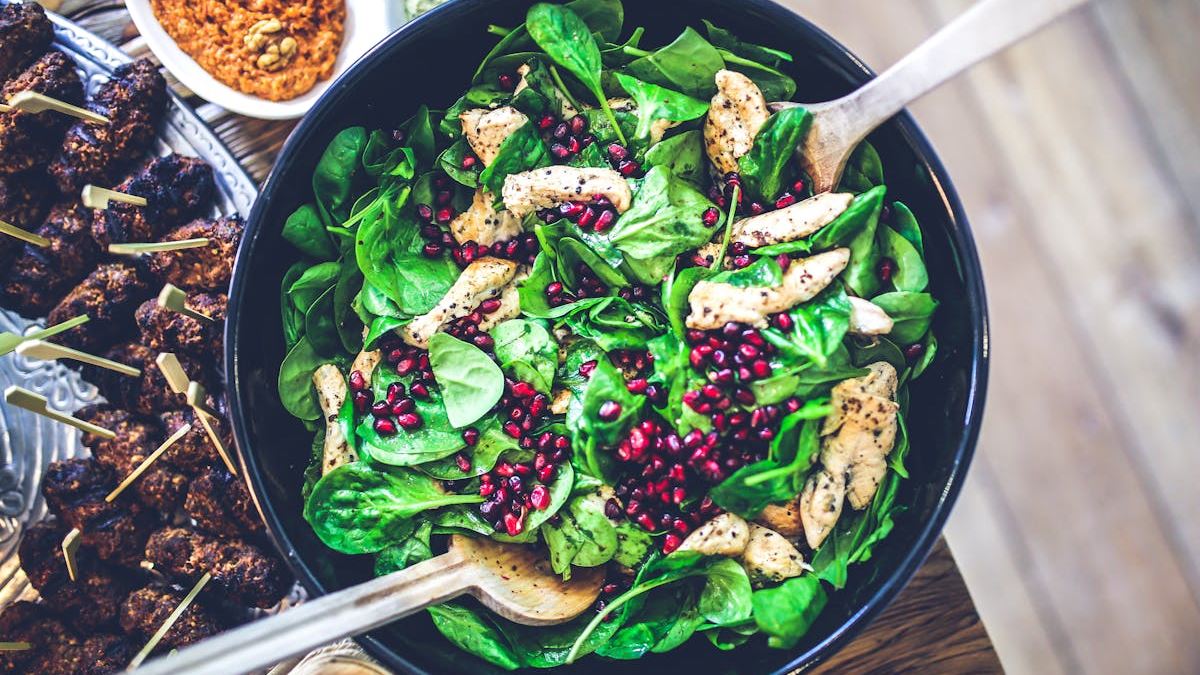
Imagine a busy professional looking to boost their energy and muscle recovery. A sample meal plan might include scrambled eggs with spinach for breakfast, grilled chicken salad for lunch, a snack of Greek yogurt with berries, and baked salmon with quinoa for dinner. This plan exemplifies how foods high protein can be seamlessly integrated into a daily routine.
Conclusion
Understanding and selecting the right foods high protein is fundamental to achieving your health and fitness goals. Embrace a diverse range of protein sources to optimize nutrient intake and promote overall wellness. Remember, a well-balanced diet incorporating these high-protein foods can empower you to live a healthier life.