Foods to Avoid Gout: A Comprehensive Guide to Managing Your Diet
This comprehensive guide explores the foods to avoid gout, highlighting dietary choices that can prevent flare-ups. Learn about high-purine foods, alcohol impacts, and practical tips for managing uric acid levels. Empower yourself with expert insights and real-world examples to maintain healthy joints and a better quality of life.
Understanding Gout and Its Dietary Triggers
Gout is a form of inflammatory arthritis characterized by sudden, severe attacks of pain, redness, and swelling in the joints. It primarily results from elevated levels of uric acid in the blood, leading to the formation of urate crystals in joints. Dietary habits play a crucial role in managing gout, as certain foods can increase uric acid levels, triggering attacks.
The Role of Foods Avoid Gout in Your Diet
High-Purine Foods to Steer Clear Of
Foods rich in purines significantly contribute to increased uric acid production. Common high-purine foods include red meats like beef, lamb, and pork, as well as organ meats such as liver and kidneys. Additionally, certain seafood like shellfish, sardines, anchovies, and mackerel are known to elevate uric acid levels.
Alcoholic Beverages and Gout
Alcohol, especially beer and spirits, can raise uric acid levels and impair its excretion via the kidneys. Beer contains both purines and alcohol, making it particularly problematic for individuals trying to avoid gout attacks.
Sugary Drinks and Processed Foods
Sugary drinks like soda and fruit juices with added high-fructose corn syrup contribute to increased uric acid production. Processed foods containing high levels of fructose or artificial sweeteners should be limited to prevent gout flare-ups.
Practical Tips for Dietary Management
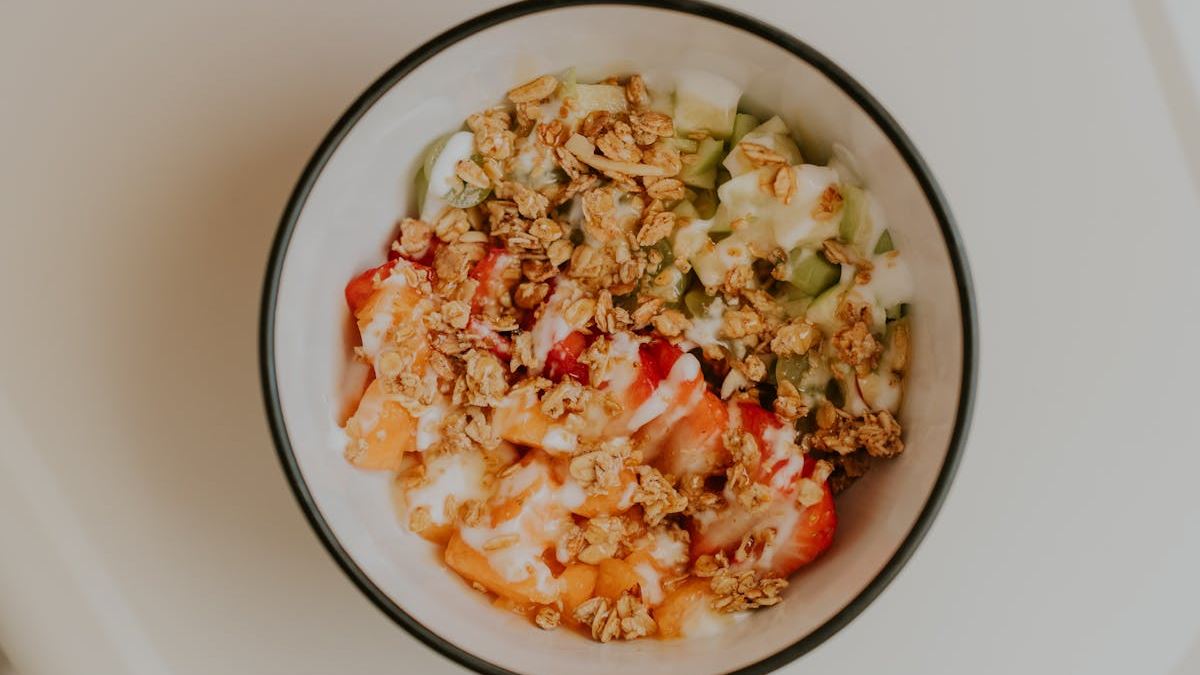
Adopting a balanced diet rich in low-purine foods can significantly reduce the frequency of gout attacks. Incorporate plenty of fruits, vegetables, whole grains, and low-fat dairy products. Drinking plenty of water helps flush out uric acid, while maintaining a healthy weight reduces stress on joints.
Seeking Medical Advice and Personalized Diet Plans
If you experience frequent gout attacks, consult with a healthcare professional or a registered dietitian. They can help tailor a diet plan specific to your needs and may recommend medications to manage uric acid levels effectively.
Real-World Scenario: A Diet Change Makes a Difference
Consider John, a 45-year-old man diagnosed with gout. After eliminating shellfish and red meats from his diet and increasing his water intake, he noticed a significant reduction in attack severity. Regular check-ups confirmed his uric acid levels decreased, demonstrating the positive effect dietary modifications can have in managing gout.
Expert Commentary on Foods Avoid Gout
Dr. Emily Carter, a rheumatologist, emphasizes that lifestyle modifications, including avoiding foods avoid gout, are essential in controlling the disease. She advises patients to be mindful of their dietary choices and maintain a healthy lifestyle to prevent flare-ups.
Conclusion
Managing gout effectively involves understanding what foods avoid gout and making informed dietary choices. By steering clear of high-purine foods, limiting alcohol intake, and staying hydrated, individuals can reduce the frequency and severity of gout attacks. Always seek personalized advice from healthcare professionals for optimal management.