Understanding Solar Panel Cost in the United States: A Comprehensive Guide
Discover comprehensive insights into solar panel costs in the US, including factors affecting prices, incentives, and long-term savings. Learn how to make informed decisions to maximize your solar investment and reduce energy costs effectively.
Introduction to Solar Panel Cost in the United States
As the demand for renewable energy sources continues to surge, solar power has emerged as a leading solution for residential and commercial energy needs. Understanding the solar panel cost is essential for homeowners, businesses, and investors aiming to harness the sun’s potential. This guide explores the various factors influencing solar panel prices, realistic budgeting, and long-term savings, providing a clear path to making informed decisions about solar energy investments in the United States.
The Factors Affecting Solar Panel Cost
1. Equipment Quality and Efficiency
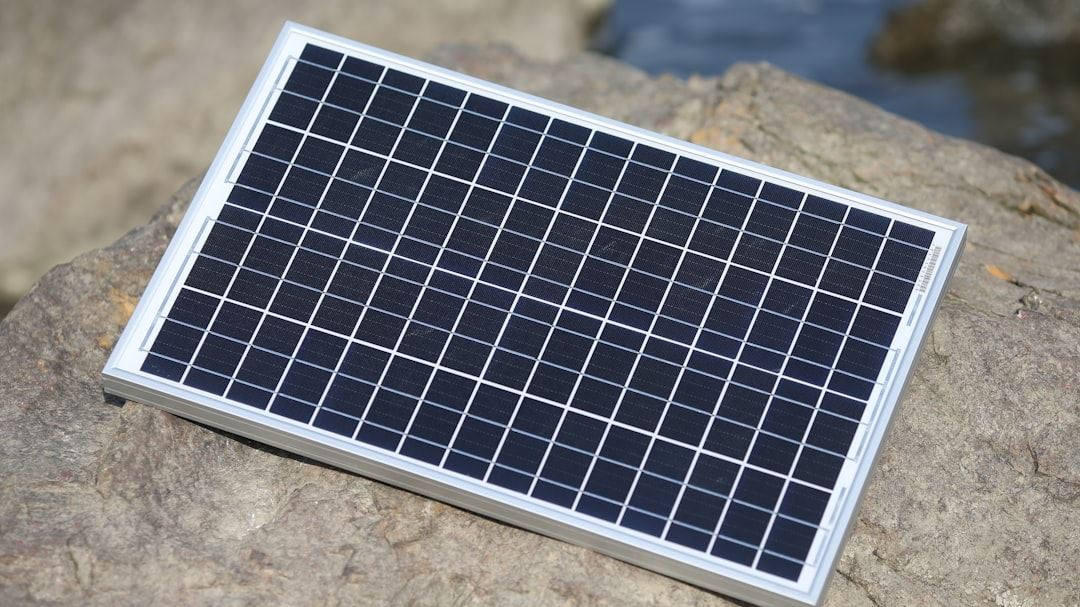
The quality and efficiency of solar panels directly impact their cost. High-efficiency panels, which convert more sunlight into electricity, tend to be more expensive upfront but may offer better savings over time. Manufacturers like Tesla, SunPower, and LG produce panels with different efficiency ratings, affecting the overall solar panel cost.
For example, premium panels might cost between $250 to $350 per panel, while standard panels could be priced around $150 to $200. When considering equipment quality, it’s vital to balance upfront costs with the expected energy output and lifespan.
2. System Size and Energy Needs
The size of the solar power system, measured in kilowatts (kW), is a primary determinant of solar panel cost. A typical U.S. household might require a 5- to 10-kW system, costing anywhere from $10,000 to $30,000 before incentives. Larger systems for commercial use can cost significantly more but also provide greater savings.
Real-world scenarios show that a home with high energy consumption might necessitate additional panels, increasing the initial investment but maximizing long-term benefits.
3. Installation Complexity and Location
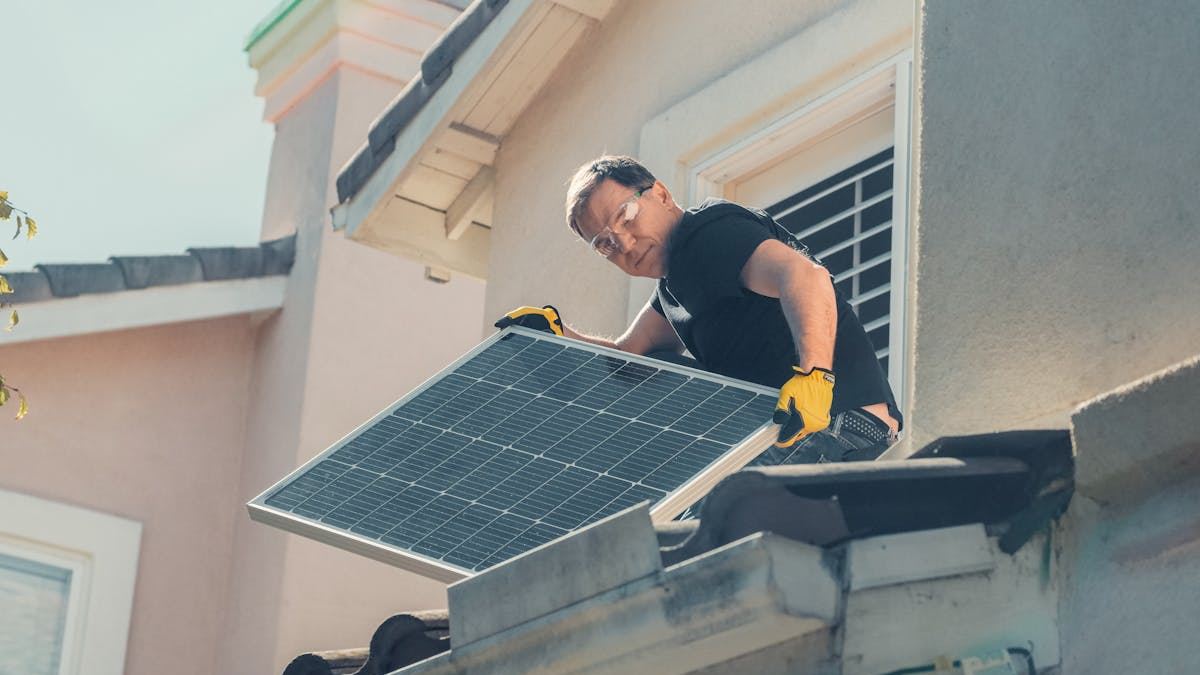
Installation costs vary based on the complexity of the setup and geographic location. Roof type, shading, and accessibility influence labor expenses. Homes in shaded or uneven terrains might require specialized mounts or additional work, raising solar panel cost.
For instance, installations in urban areas with complex rooftops tend to cost more than straightforward, open roof installations in rural settings. Local regulations and permitting fees also play a role.
Financial Incentives and Their Impact on Cost
The U.S. offers numerous incentives to reduce solar panel cost and make solar energy more affordable. Federal tax credits, state rebates, and performance-based incentives significantly improve the economic viability of solar projects.
One prominent example is the Federal Investment Tax Credit (ITC), which currently allows homeowners to deduct 26% of solar installation costs from their federal taxes. State-specific programs may include rebates, tax incentives, and net metering policies that further lower the effective solar panel cost.
Long-Term Savings and Return on Investment
1. Energy Bill Reduction
One of the key benefits of investing in solar panels is the significant reduction in energy costs. Depending on the system size and location, homeowners can save thousands of dollars annually, recouping their initial investment over time.
2. Increased Property Value
Solar panel installation can increase property values—studies indicate an average increase of 4% to 6%. This boost offsets part of the initial solar panel cost and makes solar a financially sound investment.
3. Environmental and Social Benefits
Beyond financial savings, solar power contributes to reducing carbon footprints and promoting environmental sustainability, encouraging communities and policymakers to support further investments.
Conclusion: Making Smart Choices About Solar Panel Cost
Understanding the intricacies of solar panel cost enables consumers to make strategic decisions aligned with their energy needs, budget, and environmental values. While the initial investment can be significant, the combination of technological advancements, incentives, and long-term savings makes solar energy an increasingly attractive option in the United States.
Careful comparison of equipment, factoring in installation costs, and leveraging available incentives ensures that your transition to solar power is both economically and environmentally sound.