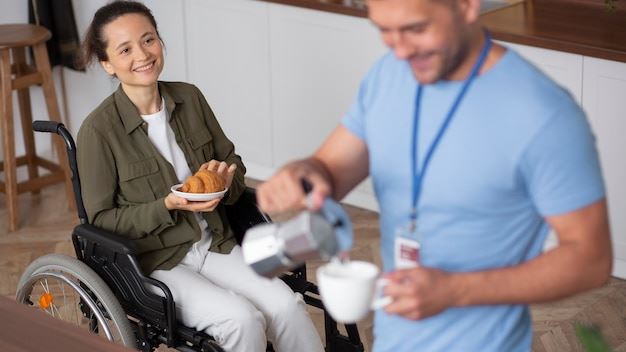
Comprehensive Guide to Nursing Home Care in the United States: Ensuring Quality and Compassion
This comprehensive guide offers families valuable insights into nursing home care in the United States. Covering areas from choosing the right facility to understanding legal protections, the article emphasizes quality, safety, and compassion to help families make confident decisions for their loved ones' well-being.

Understanding Nursing Home Care: An Essential Resource for Families
The Evolving Landscape of Nursing Home Care
Historical Perspective
Historically, nursing homes served as custodial facilities primarily focused on basic care. Over the decades, advances in healthcare and increased awareness about elder rights have shifted the focus toward comprehensive, person-centered care that emphasizes dignity, independence, and quality of life.
Current Trends
Today, nursing home care encompasses a broad spectrum of services including skilled nursing, rehabilitation, palliative care, and mental health support. Many facilities are adopting innovative approaches such as technology integration and personalized care plans to meet diverse needs.
Key Components of Quality Nursing Home Care
Staffing and Expertise
Effective nursing home care relies heavily on qualified staff—registered nurses, licensed practical nurses, and trained aides. Their expertise ensures proper medical management, medication administration, and emergency responsiveness.
Safety and Environment
A safe environment features accessible facilities, proper hygiene, infection control, and emergency preparedness. Regular inspections and accreditation standards help maintain these safety measures.
Person-Centered Approach
Quality care recognizes individual preferences, promotes autonomy, and involves residents in their care plans. This approach enhances satisfaction and emotional well-being.
The Family’s Role in Nursing Home Care
Choosing the Right Facility
Families should assess multiple factors including licensing, reputation, care quality measures, and resident testimonials. Visiting facilities, asking questions about staff training, and reviewing health inspection reports are critical steps.
Communication and Advocacy
Ongoing dialogue with staff ensures care aligns with the resident's needs and preferences. Families can advocate for changes, participate in care planning, and provide emotional support.
Challenges and Solutions in Nursing Home Care
Common Challenges
- Staff shortages leading to inconsistent care
- Overmedication and misuse of prescription drugs
- Neglect and abuse risks
- Resident loneliness and depression
Strategies to Overcome Challenges
- Ensuring adequate staff-to-resident ratios
- Regular staff training on resident rights and safety protocols
- Implementing mental health programs and social activities
- Utilizing technology for monitoring and communication
Legal Rights and Regulations Protecting Nursing Home Residents
Federal and state laws safeguard residents’ rights—including the right to quality care, privacy, and freedom from abuse. The Omnibus Budget Reconciliation Act (OBRA) sets minimum standards, and complaints can be filed with agencies like the State Survey Agency or the Department of Health & Human Services.
Real-World Scenario: Transitioning a Loved One into a Nursing Home
Consider the case of Mrs. Johnson, whose mobility declined due to Parkinson’s disease. Her family researched several facilities, prioritizing those with specialized neurological care. After visiting and interviewing staff, they chose a community known for compassionate care and active social programs. Regular visits, open communication, and advocacy ensured Mrs. Johnson's needs were met, exemplifying the importance of an informed, engaged approach to nursing home care.
Conclusion: Navigating Nursing Home Care with Confidence