Comprehensive Guide to Elderly Care Options in the United States: Choosing the Right Path for Your Loved Ones
This detailed guide explores various elderly care options available across the United States, including in-home care, assisted living, and nursing homes. It helps families understand the benefits, challenges, and key factors to consider, ensuring they can select the best care path tailored to their loved one's needs. Offering expert insights and real-world scenarios, this article aims to support informed decision-making for a dignified and comfortable life for seniors.
Understanding the Need for Elderly Care Options
As our population ages, families across the United States are faced with critical decisions regarding the care of their elderly loved ones. The right elderly care options depend on individual health conditions, financial circumstances, personal preferences, and safety considerations. This comprehensive guide explores various elderly care options, offering insights into how families can make informed choices to enhance quality of life for seniors.
In-Home Elderly Care: Maintaining Independence and Comfort
Types of In-Home Care Services
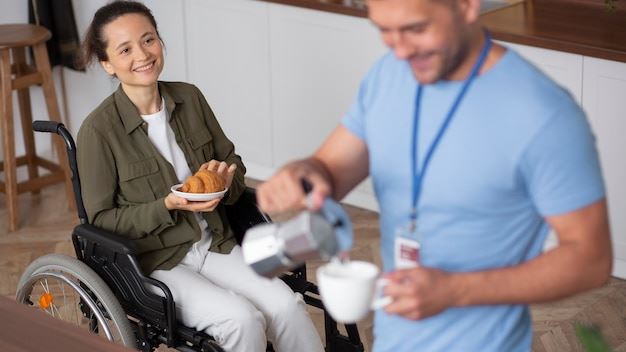
In-home elderly care involves professional or family-provided services that enable seniors to remain in their familiar environment. This includes personal care assistance, medical support, and household chores. Services are tailored to individual needs, ranging from a few hours a week to 24/7 care.
Advantages of In-Home Elderly Care
The primary benefit is preserving independence and comfort, which is crucial for mental health and overall wellbeing. Families appreciate the personalized attention and the ability to customize care plans. It also reduces the risk of hospitalizations by managing chronic conditions effectively at home.
Challenges and Considerations
While in-home care offers many benefits, it can be costly and may require coordination with healthcare providers. Safety concerns must be addressed, including fall prevention and medication management. Additionally, there could be emotional impacts related to transitioning to formal care services.
Real-World Scenario
Consider Mrs. Johnson, an 80-year-old with mobility issues. Her family hired a certified nursing assistant (CNA) who visits daily, helping her with bathing, dressing, and medication reminders. This arrangement enables Mrs. Johnson to stay in her home, surrounded by familiar furniture and community.
Assisted Living Facilities: A Balance of Independence and Support
What Are Assisted Living Facilities?
Assisted living facilities (ALFs) are community-based residences that provide supportive services such as meals, housekeeping, medication management, and social activities. They are designed for seniors who need some assistance but wish to retain a level of independence.
Benefits of Assisted Living
Living in an ALF offers a social environment that reduces loneliness and promotes community engagement. It provides access to 24-hour emergency response and healthcare support, ensuring safety and prompt medical attention if needed.
Potential Drawbacks
The cost of assisted living can be substantial, and some seniors may feel their independence is somewhat compromised. It is important to select a facility with a good reputation and appropriate services tailored to individual health needs.
Real-World Scenario
Mr. Lee, a 78-year-old retiree with early-stage Alzheimer's, moved to an assisted living community. His family appreciates the structured environment, medication supervision, and social activities, which support his cognitive health and emotional wellbeing.
Nursing Homes and Skilled Nursing Care: For Complex Medical Needs
Understanding Skilled Nursing Facilities
Nursing homes or skilled nursing facilities cater to seniors with significant health challenges requiring intensive medical care, rehabilitation, or long-term nursing services. These facilities are staffed by licensed nurses and healthcare professionals dedicated to complex medical management.
When Is This the Right Option?
Individuals recovering from surgery, suffering from severe chronic illnesses, or with disabilities needing 24/7 medical supervision often benefit from nursing home stays. It is also essential for families unable to provide necessary medical care at home.
Pros and Cons
While providing comprehensive care, nursing homes can be expensive and sometimes lack the personal touch compared to in-home or assisted living options. Choosing a reputable facility with excellent patient care standards is crucial.
Real-World Scenario
Mrs. Garcia, a 85-year-old recovering from a stroke, requires round-the-clock rehabilitation and medication management. Her family selected a nearby skilled nursing facility with specialized stroke recovery programs, helping her regain independence and strength.
Choosing the Right Elderly Care Option: Factors to Consider
Health and Medical Needs
Assess the senior's medical conditions, mobility, and cognitive function. Some require intensive medical supervision, while others may thrive with minimal assistance.
Financial Considerations
Evaluate available resources, insurance coverage, Medicaid, and Medicare options. Costs vary significantly among elderly care options, and planning is essential for long-term sustainability.
Personal Preferences and Lifestyle
Consider the senior's desires, social needs, and comfort level with different living environments. Ensuring dignity and autonomy is vital for emotional health.
Safety and Accessibility
Choose environments that minimize fall risks, support accessibility, and provide emergency response services to ensure safety at all times.
Expert Recommendations
Consult healthcare providers, social workers, and elder care professionals to tailor a care plan that fits individual needs and circumstances.
Future Trends in Elderly Care
Technological Innovations
Advances in telemedicine, remote monitoring, and smart home devices are transforming elderly care, making it more efficient, personalized, and responsive.
Community-Based Care Models
More communities are developing integrated care programs that combine health services, social engagement, and support networks to improve seniors' quality of life.
Policy and Funding Developments
Changes in legislation and increased funding focus on expanding access to quality elderly care, emphasizing affordability and comprehensive support.