Recognizing Melanoma Symptoms: A Comprehensive Guide to Early Detection
This comprehensive guide explains melanoma symptoms, highlighting early signs such as mole changes, new skin lesions, irregular borders, and more. Early recognition of these symptoms can save lives through timely diagnosis and treatment, emphasizing the importance of vigilance and regular skin checks.

Understanding Melanoma and Its Significance
Melanoma is an aggressive form of skin cancer that develops from pigment-producing cells called melanocytes. Though it accounts for a small percentage of skin cancer cases, melanoma is responsible for the majority of skin cancer-related deaths in the United States. Early detection is critical for successful treatment, making awareness of melanoma symptoms essential for all individuals, especially those with risk factors such as fair skin, excessive sun exposure, or a history of skin cancer.
What Are the Common Melanoma Symptoms?
Change in Existing Moles
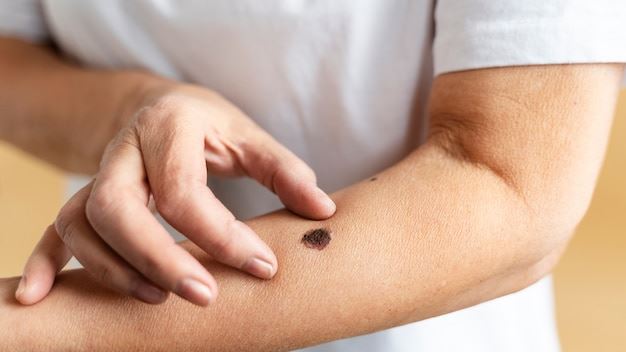
An immediate red flag for melanoma symptoms is any noticeable change in a pre-existing mole. This change may include alterations in size, shape, color, or texture. For example, a mole that has become asymmetrical or develops irregular borders should be examined promptly.
Development of New Skin Lesions
Newly appearing dark, uneven, or asymmetrical spots on the skin can signal the presence of melanoma. Pay attention to moles or spots that differ from your usual skin markings in appearance or feel.
Unusual Color Patterns and Irregular Borders
Look for moles with multiple colors—such as black, brown, red, white, or blue—and those with jagged or blurred edges. These features are often associated with melanoma symptoms and should prompt immediate medical consultation.
Sudden Changes in Texture or Elevation
Some melanomas may feel raised, rough, or scaly, breaking the typical flat skin appearance. Any mole that develops a lump or becomes more textured warrants concern.
Persistent Itching, Bleeding, or Oozing
Moles or skin lesions that itch, bleed without injury, or ooze fluid may be melanoma symptoms. These signs suggest the lesion is abnormal and require professional evaluation.
Real-World Scenarios: Recognizing Symptoms in Daily Life
Imagine a young woman notices a new mole on her arm that starts to change color and shape over a few weeks. She also observes that her existing mole has grown slightly and developed irregular borders. Recognizing these melanoma symptoms prompted her to seek immediate dermatological assessment, leading to early diagnosis and successful treatment.
In another case, an older man spots a dark patch with uneven borders on his back that didn’t exist before. He experiences occasional itching around the area. Recognizing the melanoma symptoms, he visits a specialist, leading to a timely biopsy and treatment plan.
Expert Insights on Melanoma Symptoms
Dermatologists highlight the importance of the ABCDE criteria—Asymmetry, Border irregularity, Color variation, Diameter over 6mm, and Evolving appearance—as essential tools for identifying melanoma symptoms early. Specialists emphasize that any skin change resembling these features warrants prompt medical evaluation to increase the chances of effective treatment.
Preventing and Monitoring for Melanoma Symptoms
Routine skin self-examinations and professional skin checks should be part of your health routine, especially if you are at higher risk. Use mirrors to check hard-to-see areas, such as the back and scalp. Make note of any new or changing spots and discuss these during medical appointments. Preventive measures, including sun protection and avoiding tanning beds, significantly reduce melanoma risk and help maintain healthy skin.