Understanding Melanoma: Comprehensive Guide to Prevention, Detection, and Treatment
December. 05,2025
This comprehensive guide on melanoma covers its types, risk factors, early detection methods, and treatment options available in the United States. Learn how to identify warning signs, adopt sun safety practices, and ensure timely medical intervention to improve outcomes and save lives.
Introduction to Melanoma: The Most Dangerous Skin Cancer
Melanoma is a form of skin cancer that arises from the pigment-producing cells known as melanocytes. Although it accounts for a smaller percentage of skin cancer cases, melanoma is responsible for the majority of skin cancer-related deaths in the United States. Understanding the nature of melanoma is vital for early detection and effective treatment. This article explores the clinical aspects, risk factors, preventive measures, and treatment options associated with melanoma, providing a detailed guide for readers seeking to protect themselves and their loved ones.
What Is Melanoma? Anatomy, Types, and Characteristics
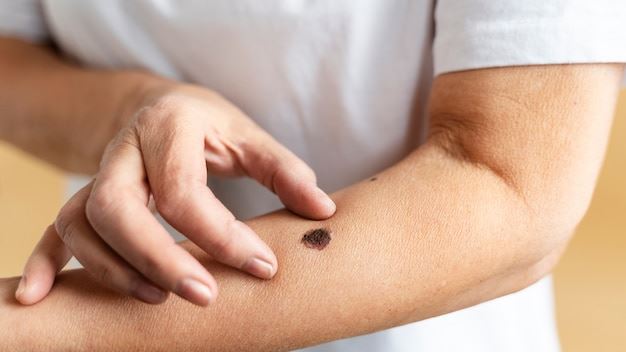
Melanoma develops in the melanocytes located at the base of the epidermis. It can appear as a new mole or an existing mole that changes in size, shape, or color. Melanoma is classified into different types, including superficial spreading melanoma (the most common), nodular melanoma, lentigo maligna, and acral lentiginous melanoma. Recognizing the unique features of each type can assist in early diagnosis. Medical experts emphasize that understanding the subtle differences in melanoma appearance is crucial for timely intervention.
Risk Factors and Causes of Melanoma
Numerous factors increase the likelihood of developing melanoma. Significant risks include excessive exposure to ultraviolet (UV) radiation from the sun or tanning beds, having fair skin, a history of sunburns, numerous moles, a personal or family history of melanoma, and certain genetic predispositions. Environmental and behavioral factors also play roles—individuals working outdoors or engaging in outdoor sports must be especially vigilant. Experts recommend regular skin examinations, especially for those with high-risk profiles.
Prevention Strategies and Sun Safety Practices
Preventing melanoma involves adopting consistent sun safety behaviors. Key recommendations include using broad-spectrum sunscreen with at least SPF 30, wearing protective clothing and wide-brimmed hats, avoiding peak sunlight hours (10 am to 4 pm), and steering clear of indoor tanning beds. Public health campaigns highlight the importance of early sunburn prevention, especially during childhood, as a critical factor in reducing lifetime melanoma risk. Educating communities about these practices can significantly lower melanoma incidence rates.
Detecting Melanoma Early: Self-Examination and Medical Screening
Early detection dramatically improves the prognosis of melanoma. Individuals should regularly perform skin self-examinations, looking for new moles or changes to existing moles. The ABCDEs of melanoma are a helpful mnemonic: Asymmetry, Border irregularity, Color variation, Diameter over 6mm, and Evolving appearance. Dermatologists recommend annual skin checks for high-risk individuals and prompt medical evaluation of suspicious lesions. Advances in dermoscopy and mole mapping technologies have enhanced early diagnosis capabilities.
Diagnosis and Staging of Melanoma
When a suspicious lesion is identified, a dermatologist conducts a biopsy to confirm the presence of melanoma. The biopsy type—shave, punch, or excisional—depends on the lesion. Once diagnosed, staging evaluates the extent of melanoma spread using imaging tests like lymph node ultrasound, CT, PET scans, and sentinel lymph node biopsy. Precise staging guides treatment decisions and helps predict outcomes, with early-stage melanomas having a high cure rate.
Treatment Options for Melanoma in the United States
Treatment strategies vary based on melanoma stage. Early-stage melanoma can often be cured via surgical excision. Advanced or metastatic melanoma may require additional therapies including immunotherapy (e.g., checkpoint inhibitors), targeted therapy (e.g., BRAF inhibitors), radiation therapy, or chemotherapy. The U.S. sees continuous advancements in melanoma treatment, with personalized medicine approaches improving survival rates. Multidisciplinary care teams ensure patients receive comprehensive treatment tailored to their specific condition.
Living with Melanoma: Support, Follow-up, and Survivorship
For melanoma survivors, ongoing monitoring is essential, as recurrence can occur years after initial treatment. Establishing a follow-up schedule with dermatologists and oncologists is vital. Psychosocial support networks and counseling can assist patients coping with diagnosis and treatment impacts. Lifestyle modifications, sun protection, and awareness empower survivors to maintain quality of life while minimizing risk of recurrence.
Conclusion: The Importance of Awareness and Early Action
Awareness has the power to save lives by promoting early detection and preventive behaviors. Educating communities about melanoma's risks, signs, and treatment options enables individuals to take proactive steps. Advances in research and medical care have improved outcomes, but vigilance remains key. If you notice any suspicious skin changes, consult healthcare professionals promptly. Understanding melanoma is the first step towards fighting this potentially deadly disease.