Transform Your Living Space: An In-Depth Guide to Interior Remodeling in the United States
Discover expert strategies for successful interior remodeling projects in the United States. This comprehensive guide covers planning, design trends, choosing professionals, executing the project, and maintaining your renovated space. Learn how to turn your home into a stunning, functional sanctuary with insights from industry experts and real-world scenarios.

Introduction to Interior Remodeling
Interior remodeling has become a pivotal aspect of homeownership in the United States. Whether you aspire to modernize your kitchen, enhance your living room, or completely overhaul your entire home, interior remodeling offers a pathway to boost your property's value, elevate aesthetic appeal, and improve functionality. This comprehensive guide explores the essential components, planning strategies, and expert insights necessary to successfully undertake an interior remodeling project tailored to your needs.
Understanding the Scope of Interior Remodeling
Defining Interior Remodeling
Interior remodeling involves updating, renovating, or redesigning various interior spaces within a home. It encompasses changes to structural elements, finishes, fixtures, and layouts that significantly alter the functional and aesthetic aspects of a residence. Projects can range from minor updates to full-scale transformations, often driven by evolving lifestyle needs or investment goals.
Common Types of Interior Remodeling Projects
- Kitchen Remodels: upgrading appliances, cabinetry, and countertops
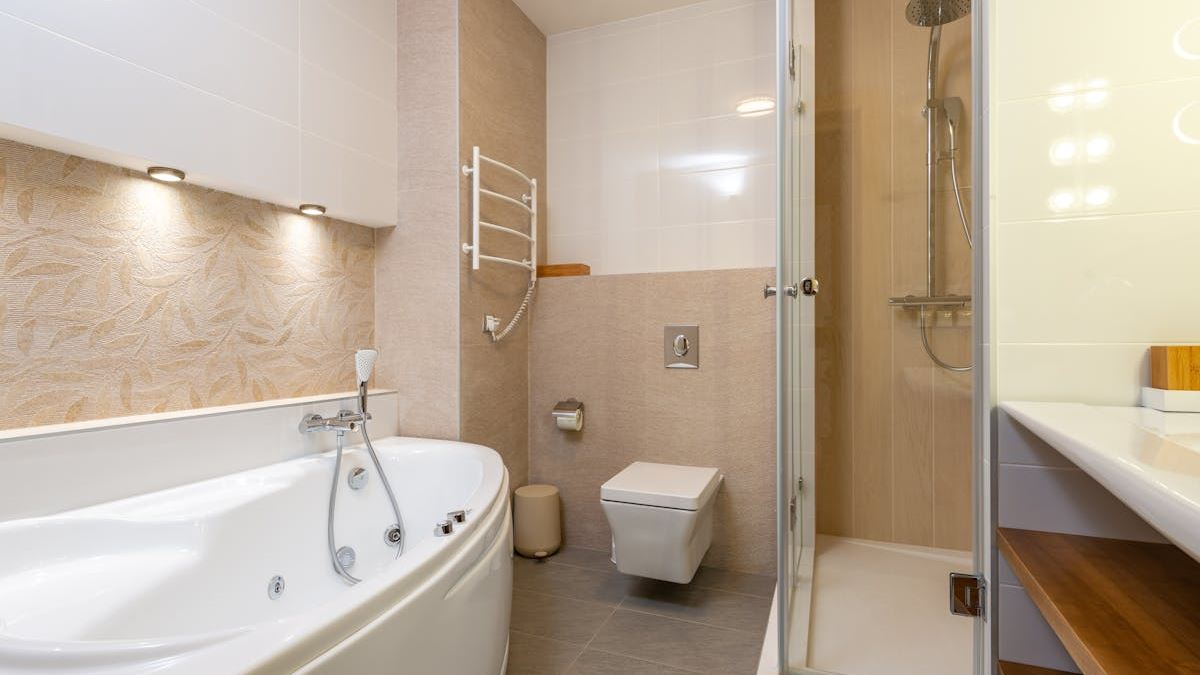
- Bathroom Renovations: installing new fixtures, tiles, and lighting
- Open-Concept Living: removing walls for spacious interiors
- Basement Finishing: transforming unfinished areas into usable space
- Lighting and Electrical Upgrades: improving energy efficiency and ambiance
Planning Your Interior Remodeling Project
Assessing Your Needs and Goals
Start by understanding precisely what you want to achieve. Are you seeking to modernize your space, increase home value, improve accessibility, or create a specific ambiance? Establishing clear objectives helps in selecting appropriate designs and materials, as well as setting realistic budgets.
Budgeting and Cost Management
Setting a comprehensive budget is critical. Consider costs for materials, labor, permits, and unexpected expenses. To avoid overspending, consult with contractors early on to estimate costs accurately and prioritize essential upgrades.
Legal Considerations and Permits
Depending on the scope of the project, permits may be required. Engaging with local building departments ensures compliance with safety standards and codes, preventing future legal complications. An experienced interior remodeling contractor can navigate this process efficiently.
Choosing the Right Professionals for Your Interior Remodeling
Selecting Contractors and Designers
Research qualified interior remodeling contractors with a proven track record. Seek out reviews, browse portfolios, and request references. A skilled designer can help translate your vision into functional and appealing interior plans.
Collaborating for Successful Outcomes
Effective communication between homeowners, designers, and contractors is vital. Regular updates, clear expectations, and comprehensive contracts foster collaboration, minimizing misunderstandings and delays.
Materials, Design, and Trends
Popular Materials and Finishes
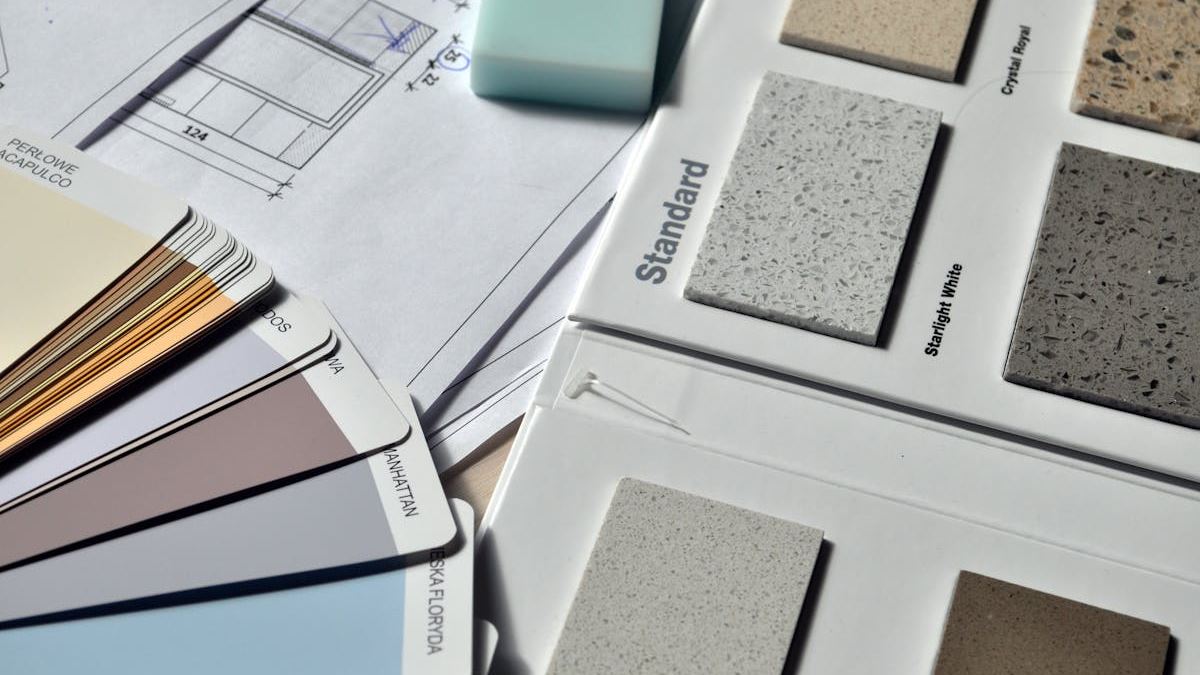
Choose durable, sustainable, and aesthetically pleasing materials. Recent trends favor natural wood, quartz countertops, eco-friendly paints, and energy-efficient fixtures.
Design Styles and Inspirations
From minimalist and industrial to traditional and bohemian, selecting a cohesive design style aligns your renovation with personal tastes and neighborhood aesthetics, increasing overall satisfaction and property appeal.
Innovative Features for Modern Living
Incorporate smart technology, climate control systems, and multi-functional furniture to enhance comfort, convenience, and energy savings.
Executing the Remodeling Process
Project Timeline and Phases
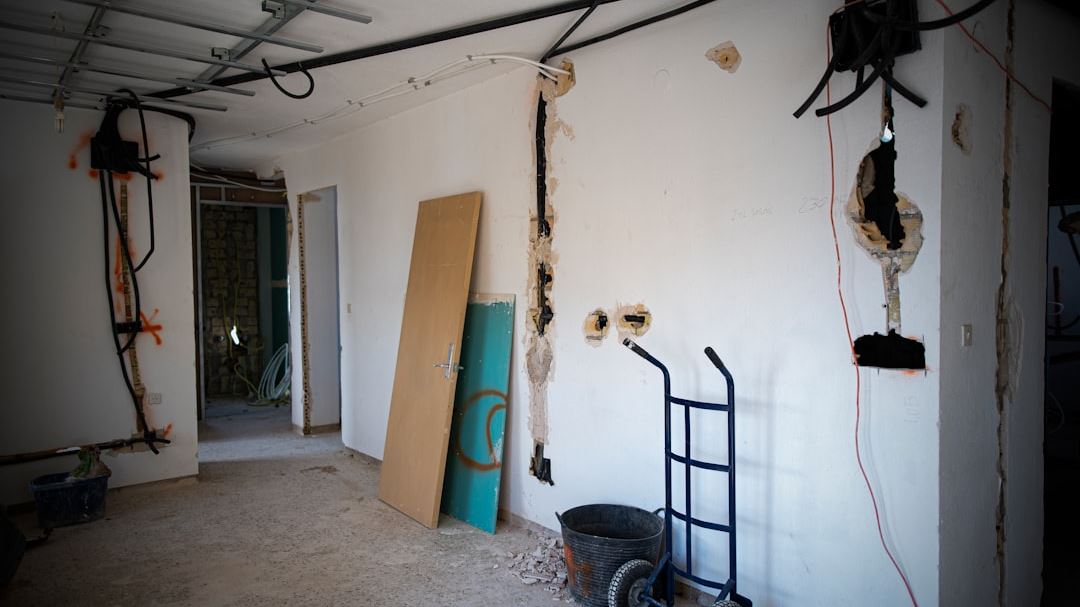
A typical interior remodeling project unfolds through planning, demolition, construction, and finishing stages. Setting a realistic timeline with your contractor ensures milestones are met without rushing or delays.
Quality Control and Troubleshooting
Regular site inspections and open communication help identify issues early. Addressing problems promptly prevents costly rework and maintains quality standards.
Final Inspection and Completion
Before project sign-off, conduct a thorough walkthrough to ensure all work meets specifications. Keep warranty documents and maintenance instructions for future reference.
Post-Remodeling Considerations
Maintenance Tips for Longevity
Regular cleaning, timely repairs, and updates preserve your interior remodeling investments. Establish a routine maintenance schedule aligned with materials used.
Enhancing Your Interior Space Over Time
Interior remodeling is an ongoing process. As your needs and tastes evolve, consider additional upgrades that complement your current design.
Maximizing Resale Value
Well-executed remodeling projects can significantly boost your home’s marketability. Focus on improvements that appeal to the broadest range of buyers, such as modern kitchens and bathrooms.
Conclusion: Embarking on Your Interior Remodeling Journey
Successful interior remodeling combines strategic planning, expert execution, and creative vision. By understanding the scope, engaging qualified professionals, and selecting trending materials and designs, homeowners across the United States can transform their living spaces into beautiful, functional, and valuable homes. Remember, the key to a rewarding remodeling experience lies in being well-informed and proactive every step of the way.