Transforming Spaces: A Comprehensive Guide to House Remodeling in the United States
Discover expert insights and practical strategies for successful house remodeling in the U.S. This comprehensive guide covers planning, design, project management, and post-remodel tips to help homeowners transform their spaces effectively.
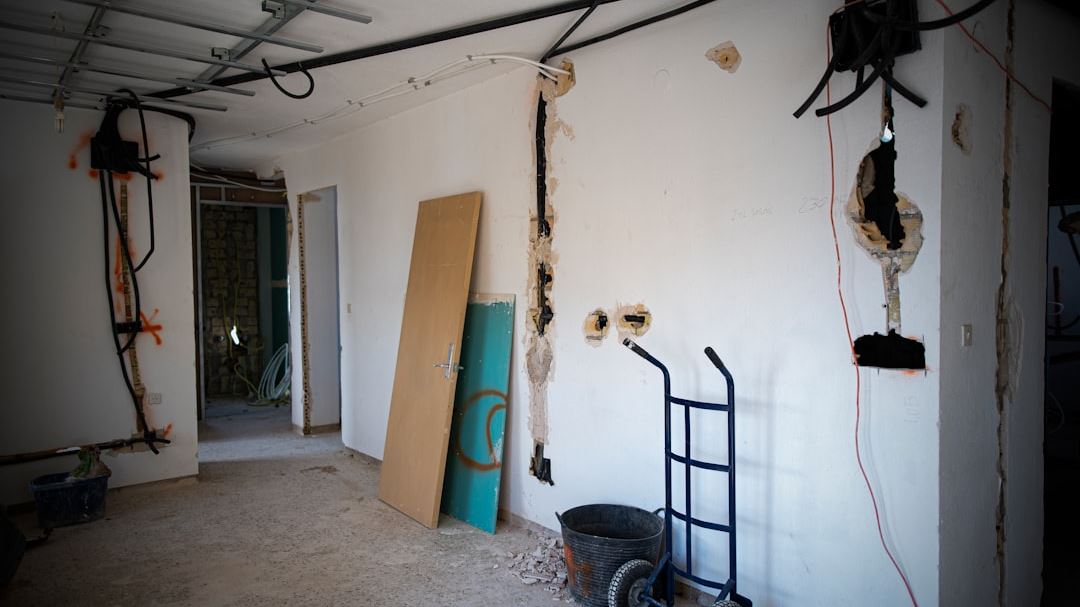
Introduction to House Remodeling
Embarking on a house remodeling project is an exciting journey that transforms your living space into a reflection of your personal style and functional needs. Whether you're upgrading outdated interiors, expanding your home, or modernizing your kitchen, house remodeling requires careful planning, a clear vision, and expert execution. This guide aims to provide homeowners across the United States with a deep understanding of the house remodeling process, highlighting key considerations, common challenges, and expert insights that will help ensure your project succeeds.
Understanding the Scope of House Remodeling
House remodeling can range from minor cosmetic updates to extensive overhauls that redefine your entire home. Breaking down the scope helps homeowners align expectations and allocate budgets effectively. Here are common types of house remodeling projects:
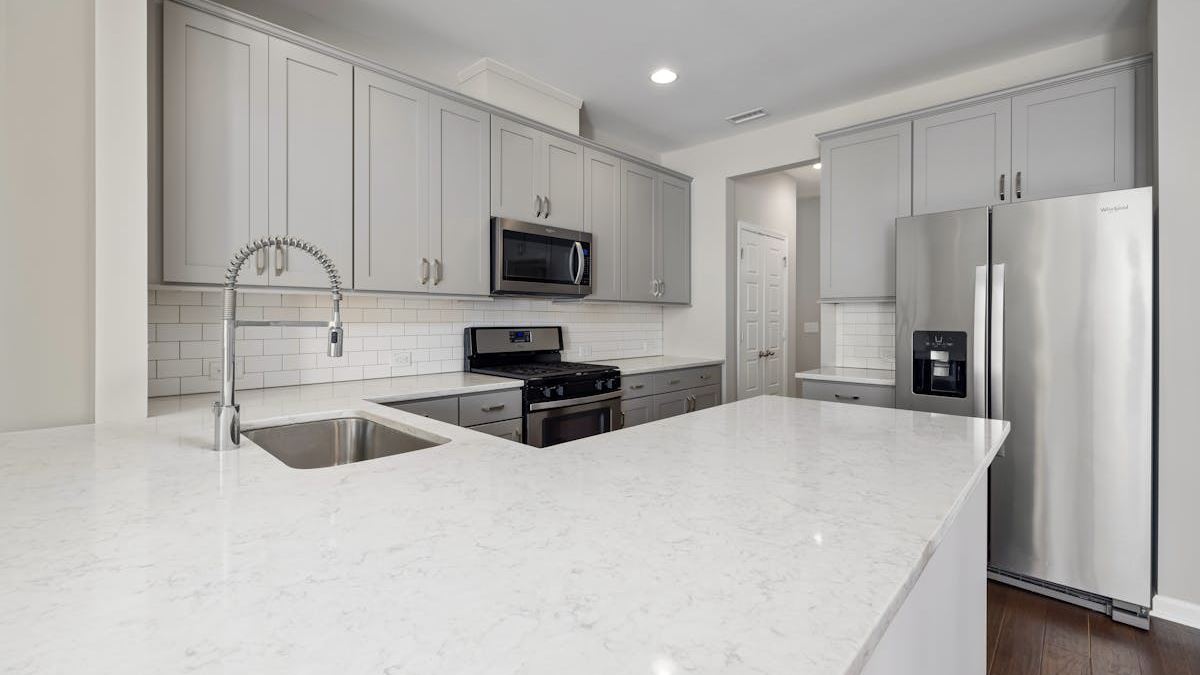
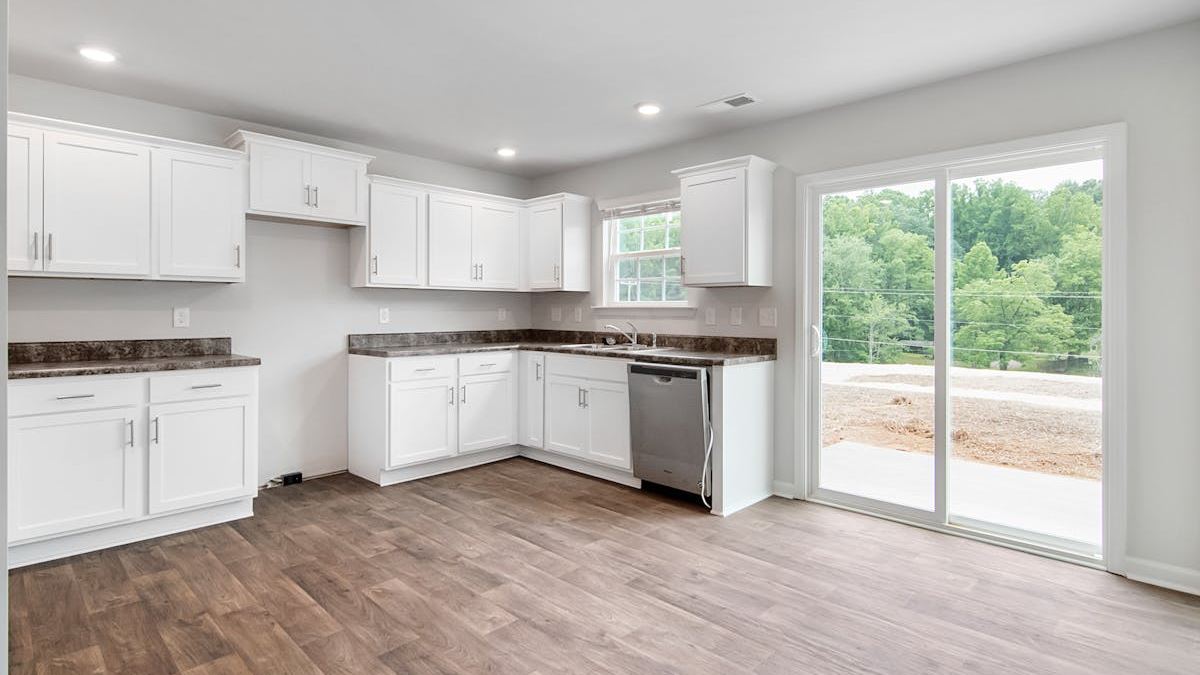
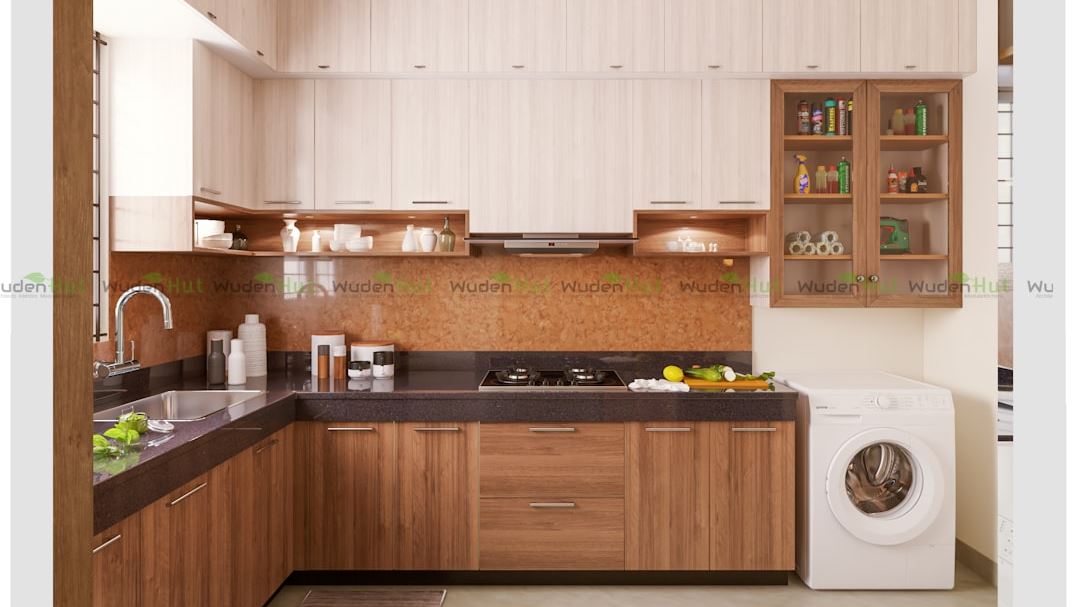
- Kitchen Renovations: Upgrading appliances, cabinets, countertops, and layout to enhance functionality and aesthetics.
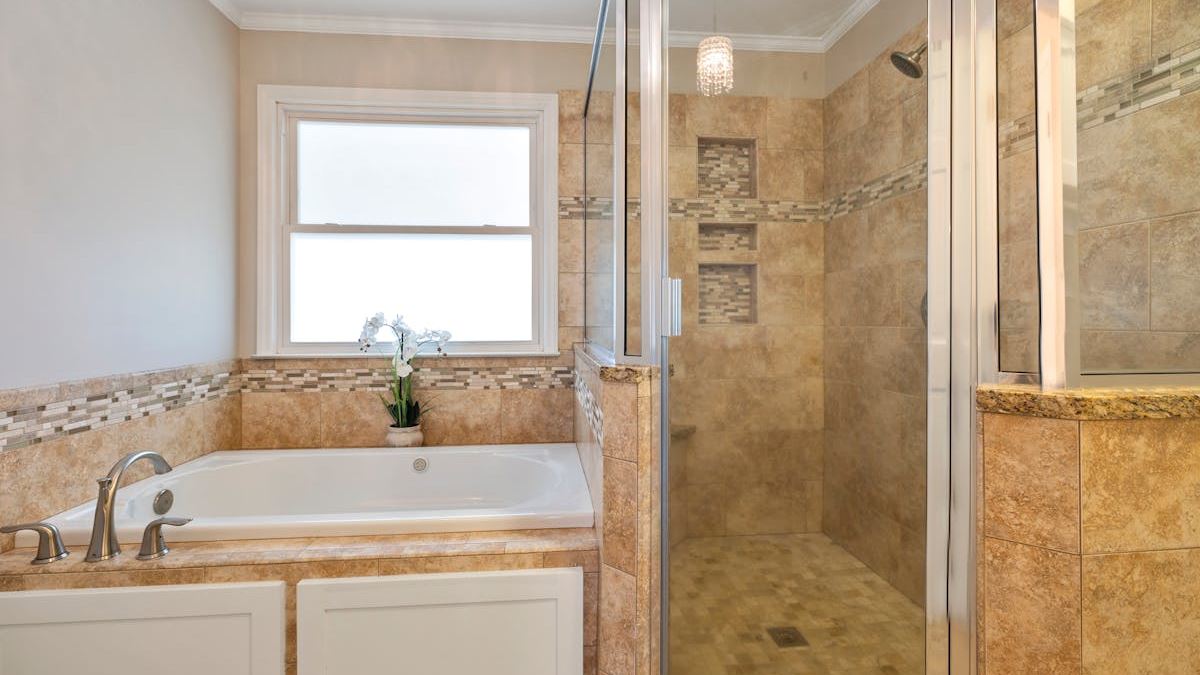
- Bathroom Remodels: Modernizing fixtures, expanding space, incorporating new technologies for comfort and efficiency.
- Room Additions: Creating new bedrooms, offices, or living areas to accommodate changing family needs.
- Exterior Improvements: Enhancing curb appeal through siding, roofing, landscaping, and outdoor living spaces.
- Main Level and Basement Remodels: Reimagining open floor plans or developing functional basements for entertainment or storage.
Strategic Planning for Your House Remodeling Project
Effective planning is the cornerstone of successful house remodeling. It involves setting clear objectives, developing a realistic budget, selecting qualified professionals, and understanding local building codes.
Setting Your Goals
Identify your priorities: Are you seeking increased comfort, better energy efficiency, or increased property value? Clarifying your goals helps determine the scope and design choices.
Budget Management
Estimate costs by researching materials, labor, permits, and potential unforeseen expenses. It's advisable to allocate 10-20% contingency funds for unexpected issues that often arise during remodeling.
Hiring Professionals
Partner with licensed architects, designers, and reputable contractors experienced in house remodeling projects within your region. Verify portfolios, read reviews, and ensure clear communication channels.
Permits and Regulations
Navigate local building codes and obtain necessary permits. Compliance ensures safety and minimizes legal risks, preventing project delays or fines.
Choosing Materials and Design Elements
Selecting the right materials and design styles enhances the longevity, functionality, and aesthetic appeal of your remodeled home. Consider the following:
- Sustainable Materials: Eco-friendly options reduce environmental impact and can lower utility bills.
- Durability: Use materials suited for high-traffic areas or moisture-prone zones like kitchens and bathrooms.
- Design Cohesion: Ensure that new elements blend seamlessly with existing architecture for a harmonious look.
Implementation and Project Management
During construction, maintaining open communication with your remodeling team is vital. Regular site visits and updates help track progress and address issues promptly.
Timeline Expectations
Typical projects can last from a few weeks to several months, depending on complexity. Establish realistic timelines with your contractor and prepare for potential delays caused by weather, supply chain issues, or permit processing.
Quality Control
Inspect work regularly and ensure it aligns with your specifications and safety standards. Don't hesitate to seek adjustments or corrections early to avoid costly rework later.
Cost-Saving Tips and Value Enhancement
Maximize your investment by focusing on energy-efficient appliances, smart home integration, and high-quality materials that increase durability. Simple updates like fresh paint or lighting upgrades can also significantly improve your home's appeal without a substantial overhaul.
Post-Remodeling Considerations
Once construction concludes, conduct a thorough walkthrough with your contractor to ensure all work is completed to your satisfaction. Obtain warranties and keep records of permits and receipts for future reference or potential resale.
Finally, enjoy your newly remodeled home, knowing that it reflects your vision and enhances your quality of life. A well-executed house remodeling project not only elevates your home's value but also creates a more comfortable, functional, and beautiful living environment for years to come.