Understanding Measles Rash: Causes, Symptoms, and Prevention
Explore the comprehensive guide to measles rash, including its causes, symptoms, progression, diagnosis, and prevention. Learn how vaccination can prevent outbreaks and protect public health in the United States.

Understanding Measles Rash: Causes, Symptoms, and Prevention
Measles is a highly contagious viral infection that remains a significant public health concern, especially in areas with low vaccination rates. Central to its diagnosis is the characteristic measles rash, which often marks the progression of the disease. This article provides an in-depth exploration of measles rash, including its causes, clinical appearance, and how timely intervention can prevent outbreaks.
What is Measles Rash?
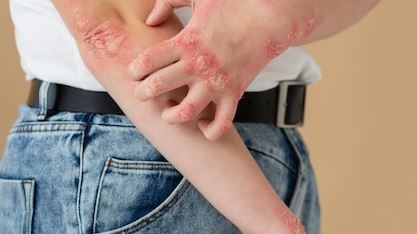
The measles rash is a hallmark symptom of measles, typically appearing 3 to 5 days after the initial symptoms such as high fever, cough, runny nose, and conjunctivitis. This rash presents as a reddish, blotchy eruption that generally starts on the face and neck before spreading to the rest of the body. Its distinctive appearance and pattern play a crucial role in clinical diagnosis.
Causes and Pathophysiology
The cause of measles rash is the measles virus, a member of the Morbillivirus genus. When a susceptible individual is exposed, the virus replicates in the respiratory tract and spreads via the bloodstream, causing systemic dissemination. The immune response to the virus results in the inflammation that manifests as the rash. Understanding this process helps in grasping why vaccination is effective in preventing the manifestation of rash and other complications.
Clinical Presentation and Progression
The measles rash characteristically begins on the face, particularly at the hairline, behind the ears, and on the neck. As it advances, it can cover the entire body, including the trunk, arms, and legs. The rash is usually maculopapular, meaning it has both flat and raised areas. Accompanying symptoms include Koplik spots—small white spots inside the mouth—that often appear before the rash and serve as a diagnostic clue.
Diagnosis and Differential Considerations
A clinician diagnosing measles rash typically considers clinical presentation and history, especially recent exposure or vaccination status. Laboratory confirmation through serology or PCR testing can aid, especially in atypical cases. Differentiation from other rash-causing illnesses such as rubella, roseola, or Kawasaki disease is essential in ensuring accurate diagnosis and appropriate management.
Prevention and Vaccination
The most effective prevention for measles rash and the disease itself is the MMR (measles, mumps, rubella) vaccine. Achieving high vaccination coverage in communities significantly reduces outbreaks and provides herd immunity. The importance of immunization education and combating vaccine misinformation are critical components in controlling the spread of measles and preventing rash-associated complications.
Real-World Scenarios and Expert Perspectives
Recent outbreaks in various parts of the United States have underscored the importance of vaccination. Experts emphasize that lapses in immunization lead to increased cases of measles, characterized by the notorious measles rash. Healthcare providers share insights on early recognition and containment strategies, highlighting the vital role of public health initiatives.
Conclusion
Understanding the characteristics of measles rash, its causes, and prevention strategies are vital for effective disease control. With vaccination remaining the cornerstone of prevention, informed communities and healthcare professionals can work together to reduce the burden of measles outbreaks and protect vulnerable populations.