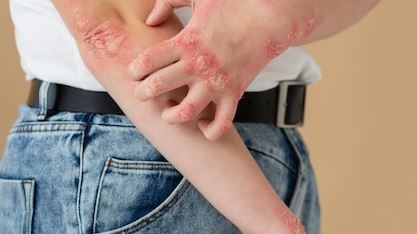
How to Identify Skin Rash: A Comprehensive Guide for Effective Diagnosis
Learn how to identify skin rash with this comprehensive guide. Discover different types, signs, and symptoms to distinguish between allergic, infectious, and chronic rashes. Understand when to seek medical help and how expert dermatologists diagnose these conditions for effective treatment.

Understanding Skin Rash: An Introduction
Skin rash is a common dermatological issue that can manifest in various forms, affecting individuals of all ages. Recognizing the signs and understanding how to identify skin rash accurately is essential for seeking appropriate medical care and managing underlying conditions. This guide aims to provide a detailed overview of skin rash identification, equipping readers with the knowledge to distinguish between different types and determine when to seek medical attention.
Common Types of Skin Rashes and Their Features
Allergic Rashes
Allergic reactions often lead to rashes such as hives or contact dermatitis. These appear as red, itchy bumps or patches that can be localized or spread across the body. Recognizing allergic skin rashes involves noting exposure to new soaps, lotions, plants, or substances.
Infectious Rashes
Caused by bacteria, viruses, or fungi, infectious rashes may present with additional symptoms like fever or malaise. Examples include chickenpox, measles, and ringworm. These rashes often have distinctive patterns, such as blisters, spots, or ring shapes, aiding in identification.
Chronic Skin Conditions
Conditions like eczema and psoriasis cause persistent rashes marked by scaling, dryness, or thickened skin. These may fluctuate with triggers such as stress, weather, or irritants.
Key Signs to Help You Identify Skin Rash
To identify skin rash effectively, pay close attention to characteristics such as:
- Color: Redness, purple, or brownish hues.
- Shape and Pattern: Circular, linear, grouped, or scattered patches.
- Texture: Raised bumps, blisters, scaly, or smooth surfaces.
- Size and Spread: Size over time and whether it's spreading or localized.
- Associated Symptoms: Itching, pain, swelling, or systemic symptoms like fever.
Real-World Scenario: A Step-by-Step Approach to Identification
Imagine a case where a person notices an itchy, red patch on their arm after gardening. They observe that the rash is raised, with distinct borders, and is spreading gradually. Recognizing these features, the individual considers whether it might be contact dermatitis or an allergic reaction. They document associated factors such as recent exposure, duration, and symptoms.
In such situations, understanding how to identify skin rash involves comparing observations with common rash features, considering potential triggers, and consulting healthcare professionals for a precise diagnosis.
When to Seek Medical Help in Identifying Skin Rash
While many rashes are harmless and resolve with home care, certain signs necessitate prompt medical attention. Seek a healthcare provider if:
- The rash is rapidly spreading or worsening
- Presence of blisters, open wounds, or signs of infection
- Associated with fever, difficulty breathing, or swelling
- Rash persists beyond a few days or recurs frequently
- Underlying health conditions such as weakened immunity
Expert Insights: The Role of Dermatologists
Dermatologists utilize a range of diagnostic tools, from visual examination to skin biopsies, to accurately identify skin rashes. They emphasize patient history and exposure analysis as crucial steps. Early identification not only aids in symptom relief but also helps in diagnosing underlying systemic conditions that may manifest as skin rashes.
Conclusion: Empowering Yourself to Identify Skin Rash
Effective identification of skin rash depends on careful observation and understanding of its features, triggers, and associated symptoms. Being proactive and consulting medical professionals when necessary ensures timely management and reduces the risk of complications.