Tesla's Revolution: Redefining the Future of Electric Mobility in the United States
Discover how Tesla is revolutionizing transportation with innovative electric vehicles, advanced technology, and a vision for sustainable mobility. Learn about its rise, groundbreaking innovations, and future plans shaping the US automotive landscape.

Introduction
In recent years, Tesla has emerged as a transformative force in the automotive industry, leading the charge toward sustainable transportation. As the pioneer of electric vehicles (EVs), Tesla's innovative approach combines cutting-edge technology, compelling design, and a strategic vision that is reshaping how Americans perceive mobility. This article explores Tesla's rise, its technological advancements, market influence, and the broader impact on American transportation standards.
The Rise of Tesla: From Startup to Automotive Titan
Founding and Early Challenges
Founded in 2003 by Elon Musk, JB Straubel, Martin Eberhard, Marc Tarpenning, and Ian Wright, Tesla's initial goal was to debunk the myth that electric cars could not be desirable or practical. Early setbacks, including production delays and financial hurdles, tested the company's resilience. However, strategic innovations, such as the launch of the Roadster in 2008, set the stage for Tesla's breakthrough.
Market Disruption and Growth
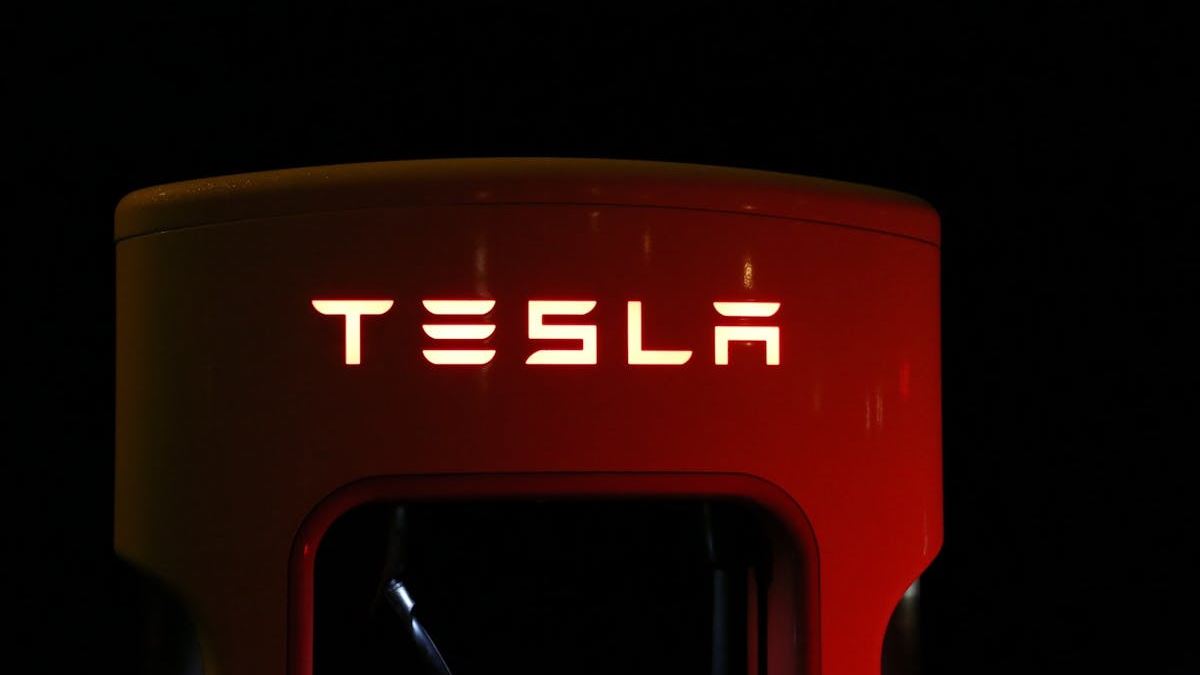
With the introduction of the Model S in 2012, Tesla redefined luxury electric vehicles, offering impressive range, performance, and safety features. The company's commitment to expanding charging infrastructure, notably with its Supercharger network, accelerated adoption and positioned Tesla as a leader in EV technology. The subsequent launches of Model X, Model 3, and Model Y further cement Tesla's dominance in the U.S. market, catalyzing a shift toward electric mobility across the country.
Technological Innovation and Sustainability
Battery Technology and Range
At the core of Tesla's success lies its pioneering battery technology. Tesla's advancements in battery cell manufacturing, led by its Gigafactories, have significantly increased energy density and reduced costs. As a result, Tesla vehicles boast some of the longest ranges in the industry, alleviating range anxiety for consumers and making EVs a practical choice for everyday use.
Autonomous Driving and Software
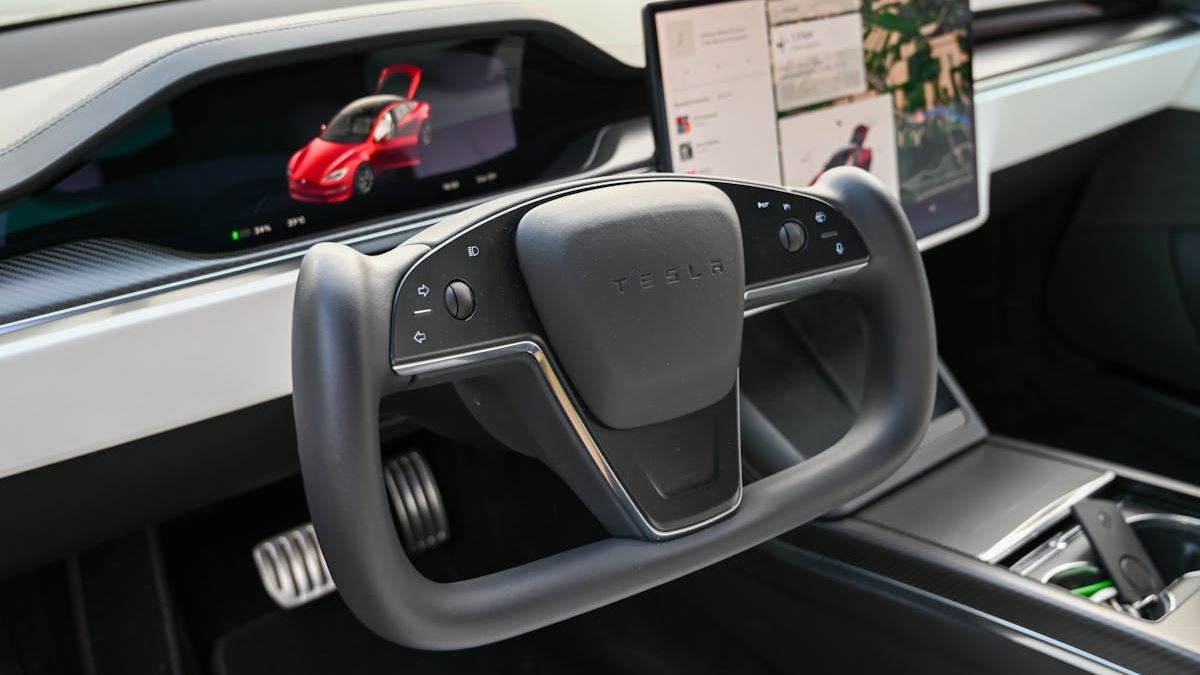
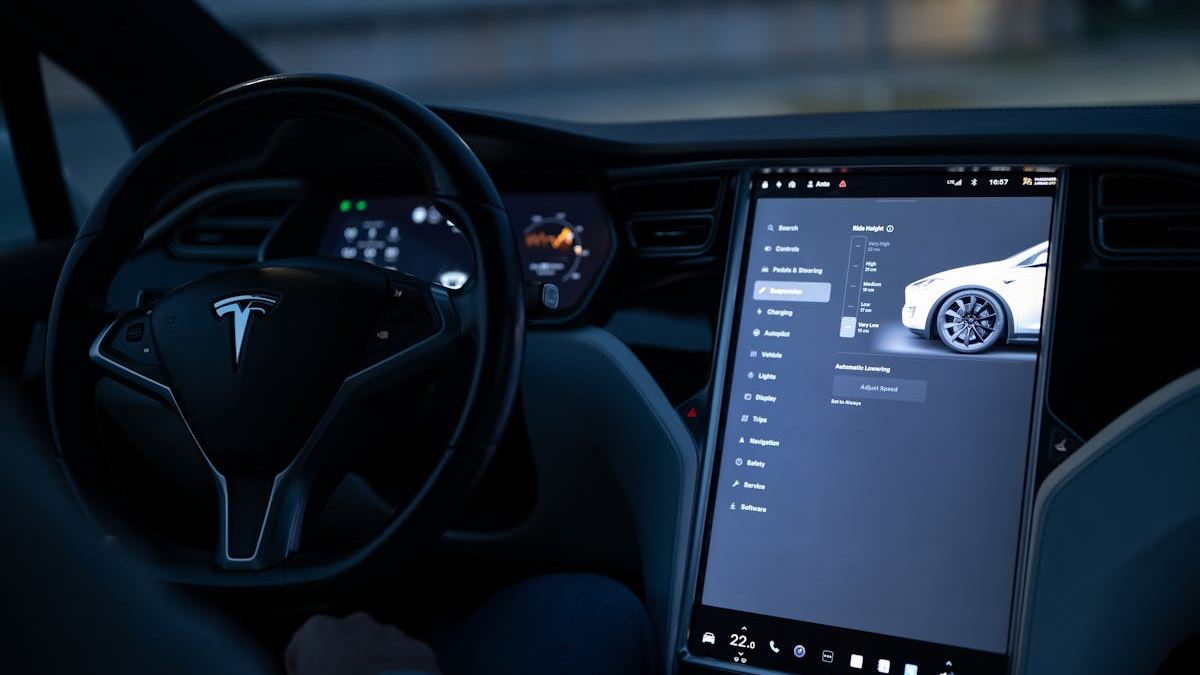
Tesla's Autopilot and Full Self-Driving (FSD) capabilities exemplify cutting-edge automotive software development. Through continuous over-the-air updates, Tesla enhances vehicle safety, navigation, and user experience. Expert automotive engineers emphasize that Tesla's approach to autonomous driving is a step toward fully autonomous vehicles, which could dramatically alter transportation dynamics.
Market Impact and Consumer Adoption
Changing Consumer Perceptions
As Tesla's vehicles become more affordable and their technology more refined, consumer perception shifts favorably toward electric vehicles. Numerous surveys indicate increased awareness and acceptance, with many American drivers viewing Tesla as a status symbol and a smart investment for the future.
Economic and Environmental Benefits
Tesla not only reduces reliance on fossil fuels but also stimulates economic growth through job creation in manufacturing, sales, and service sectors. Environmentally, Tesla's EVs contribute to lower emissions, supporting national goals to reduce greenhouse gases and combat climate change.
Challenges and Future Outlook
Supply Chain and Competition
Despite its success, Tesla faces hurdles such as supply chain disruptions, raw material shortages, and increasing competition from legacy automakers and startups. Strategic partnerships and innovation continue to be critical in maintaining competitive advantage.
Expansion and Global Strategies
Tesla's plans include expanding manufacturing facilities in the U.S. and abroad, including new Gigafactories in Texas and Berlin. Future vehicles, like the Cybertruck and Tesla's next-generation battery systems, aim to further embed Tesla's dominance in the global EV market.
Conclusion
From its humble beginnings to becoming an automotive icon, Tesla epitomizes innovation in the electric vehicle segment. As the industry evolves, Tesla's commitment to sustainability, technological advancement, and customer experience will continue to influence the future of transportation in the United States and worldwide.