Tesla Cars: Revolutionizing the Future of Electric Transportation in the United States
Discover how Tesla cars are transforming the landscape of electric transportation in the United States. This comprehensive guide covers Tesla's technological innovations, market impact, challenges, and future outlook, offering valuable insights for potential buyers and EV enthusiasts.
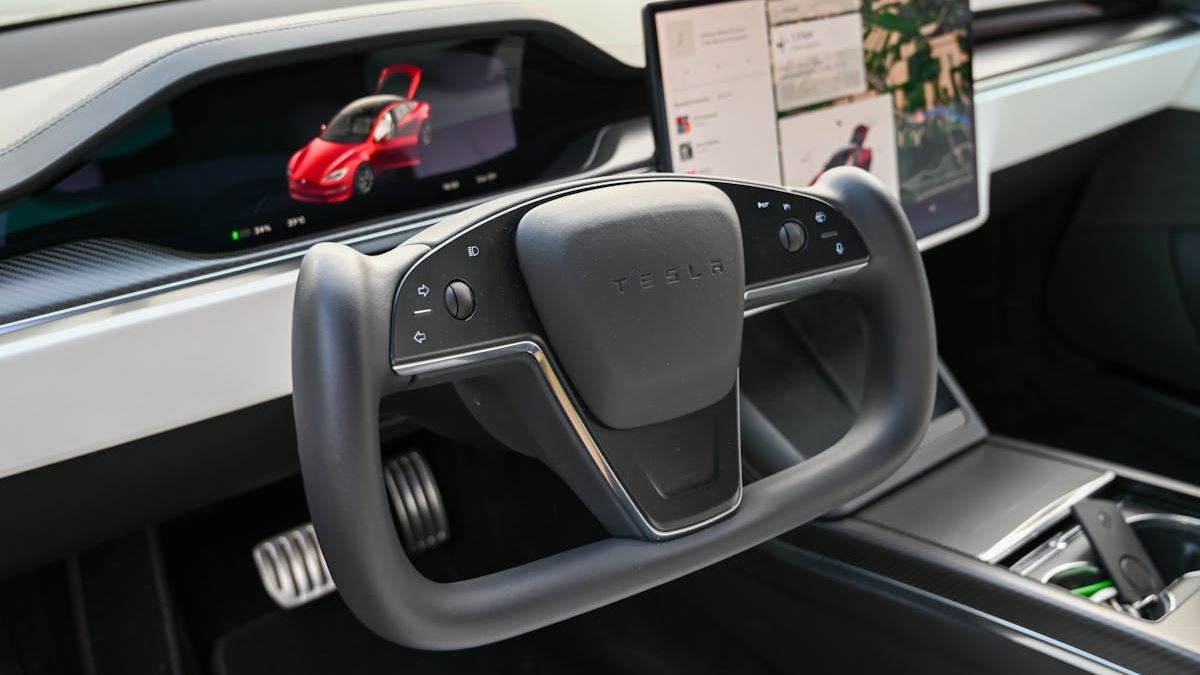
Introduction to Tesla Cars and Their Impact on the U.S. Market
In recent years, Tesla cars have become synonymous with innovation in the automotive industry. As the leader in electric vehicle (EV) technology, Tesla has significantly impacted how Americans perceive sustainable transportation. This article explores the journey of Tesla cars, their technological advancements, and their influence on the U.S. market, providing a comprehensive narrative suitable for both potential buyers and enthusiasts.
The Evolution of Tesla Cars: From Roadster to Model S, 3, X, Y, and Cybertruck
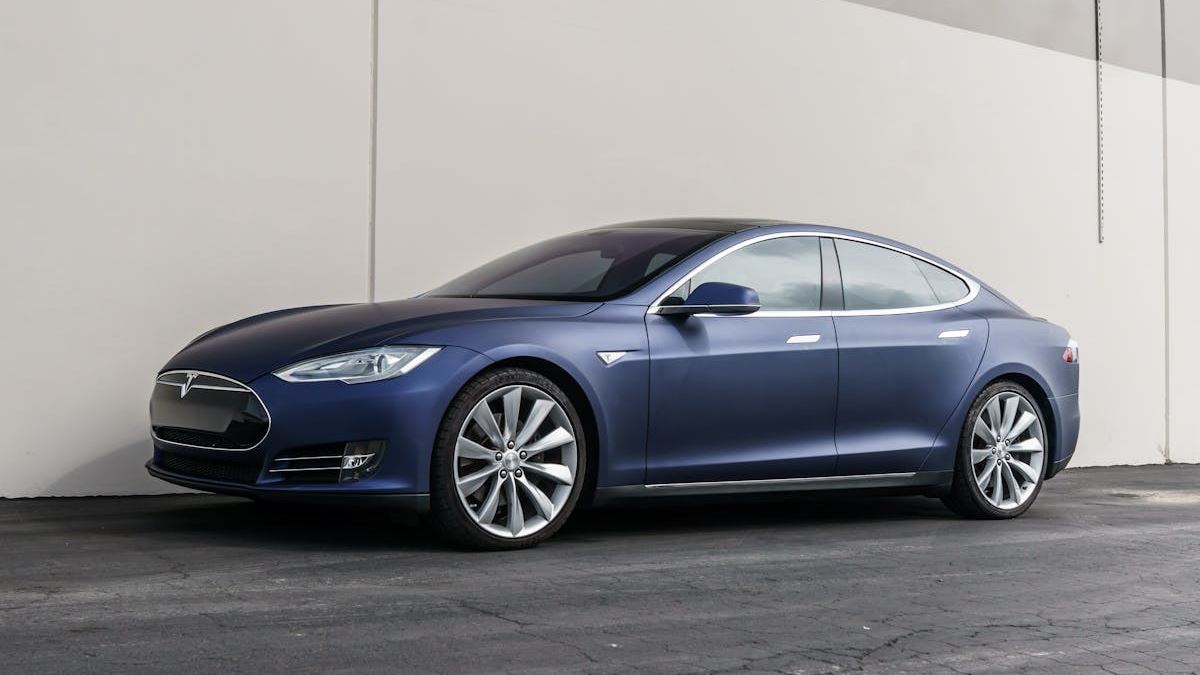
Tesla's journey began with the Roadster in 2008, a groundbreaking electric sports car that demonstrated the potential of EVs. The subsequent launches of Model S, Model 3, Model X, and Model Y have diversified Tesla's offerings, catering to various consumer needs. Each model introduced innovations such as longer range batteries, advanced autopilot features, and luxury interiors, setting new standards for electric mobility.
Technological Innovations Driving Tesla's Success
Battery Technology and Range
Tesla has pioneered advancements in battery design, enabling longer ranges and faster charging times. The proprietary battery cells and energy management systems have positioned Tesla ahead in the EV industry, addressing range anxiety among consumers.
Autonomous Driving and Full Self-Driving (FSD)
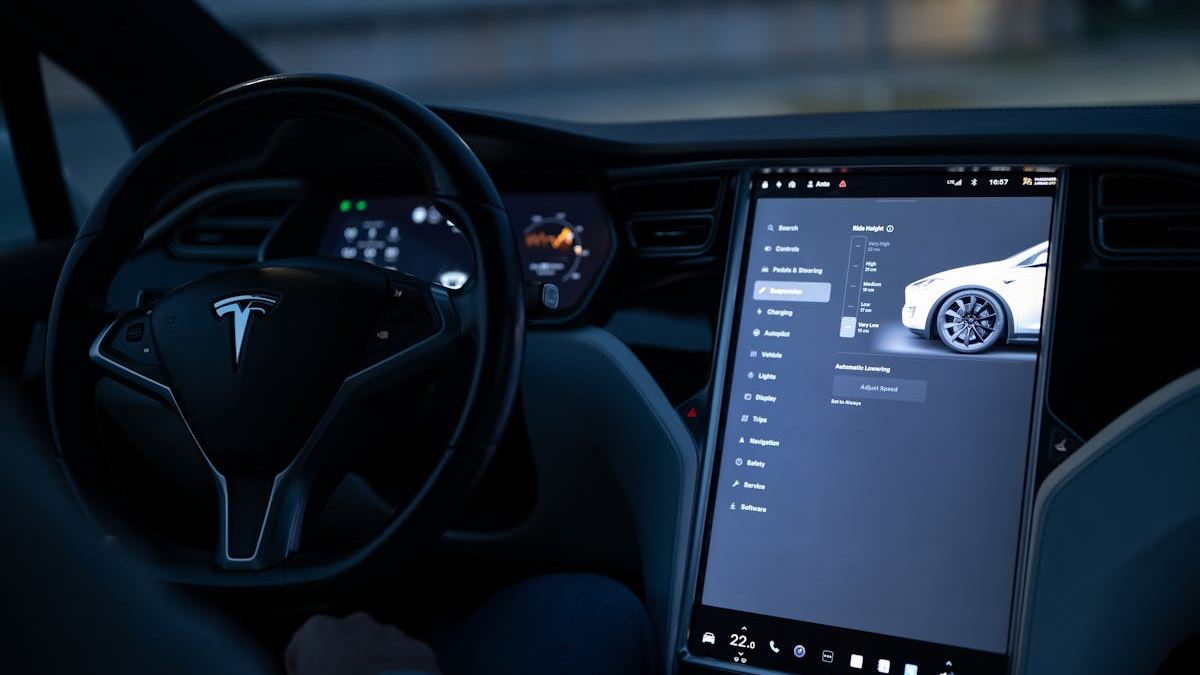
Autopilot and FSD capabilities represent Tesla's commitment to autonomous driving. Although still under development, these features have transformed driving experiences, with Tesla cars often being equipped with sophisticated sensors and AI algorithms that respond dynamically to road conditions.
Over-the-Air Software Updates
One of Tesla's most innovative features is the ability to update software remotely. This approach ensures Tesla cars continually improve over time, gaining new functionalities and security enhancements without needing a visit to service centers.
Tesla Cars and the U.S. Consumer Landscape
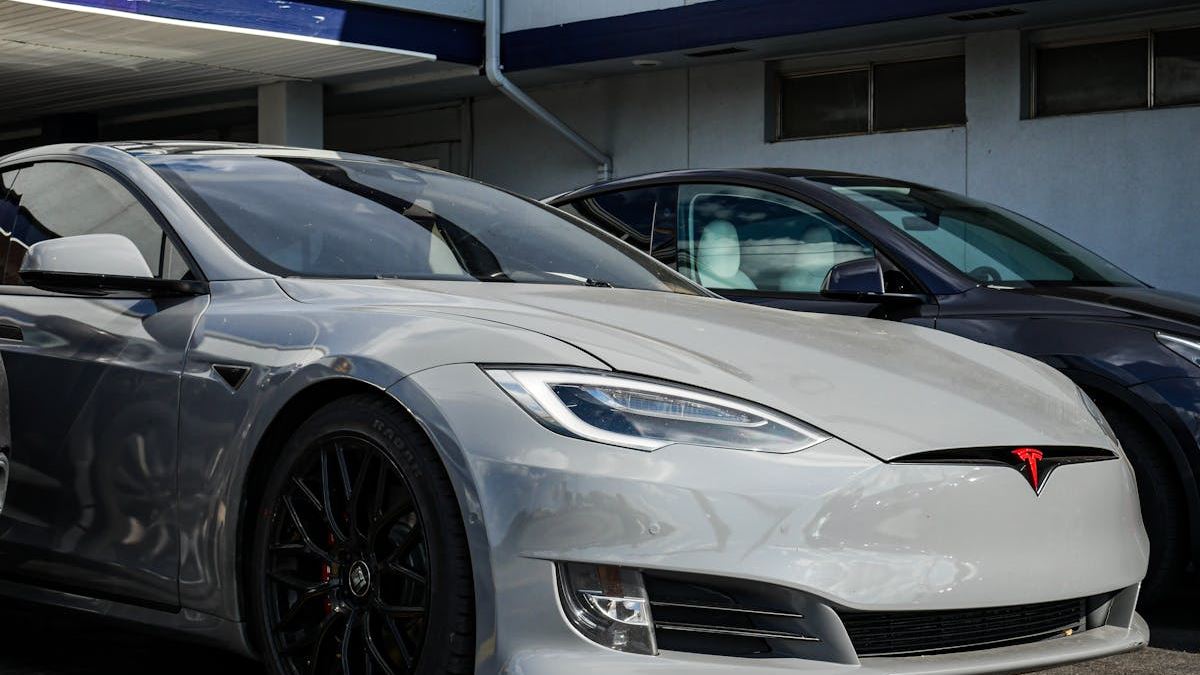
With a growing network of Superchargers and the backing of a dedicated community, Tesla has gained substantial market share in the United States. Consumer preferences are shifting towards EVs not only because of environmental benefits but also due to the technological comfort they offer. The affluent demographic and early adopters have particularly embraced Tesla cars, viewing them as status symbols and tech marvels.
Challenges and Future Prospects for Tesla Cars
Charging Infrastructure and Market Competition
While Tesla's charging network is extensive, expanding infrastructure remains critical. Additionally, traditional automakers introducing their EVs intensifies competition. Tesla's strategic focus on innovation and expanding its product lineup is crucial for maintaining its leadership position.
Regulatory Environment and Environmental Policies
Government incentives, emission regulations, and sustainability goals influence Tesla's growth trajectory. Tesla's alignment with these policies further enhances its prospects in the evolving U.S. market.
Expert Opinions and Industry Insights
Industry experts commend Tesla for pioneering EV technology and shaping market standards. Analysts predict a steady rise in Tesla cars' adoption, driven by advancements in battery tech, autonomous features, and increasing consumer environmental consciousness.