Exploring Teletherapy Options in the United States: A Comprehensive Guide to Meeting Your Mental Health Needs
Discover the diverse teletherapy options available in the United States, from video and phone sessions to text-based platforms. This comprehensive guide helps individuals understand and choose the best mental health support tailored to their unique needs, preferences, and circumstances.

Introduction to Teletherapy and Its Growing Role in Mental Health Care
In recent years, teletherapy has transformed how individuals access mental health services across the United States. Particularly amidst the COVID-19 pandemic, many turn to digital platforms for therapy sessions, seeking convenience, privacy, and accessibility. This guide delves into the various teletherapy options available, exploring how these services meet diverse needs and how you can choose the right approach for you.
Understanding Different Teletherapy Options
Video-Based Teletherapy
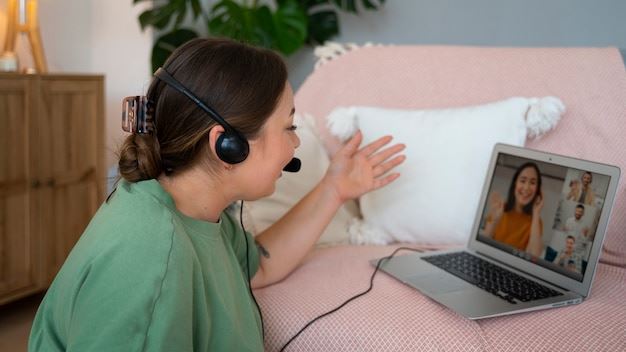
Video-based teletherapy remains the most common and widely accessible option. Platforms like Telementalhealth, BetterHelp, and Talkspace connect clients with licensed therapists via secure video calls, simulating in-person therapy sessions. This modality is ideal for individuals seeking face-to-face interaction, providing a personal and engaging experience. Factors to consider include internet connectivity, privacy, and comfort with technology.
Phone Therapy Services
Phone therapy offers an alternative for those uncomfortable with video chats or lacking access to reliable high-speed internet. This option provides anonymity and flexibility, making mental health support more accessible to rural communities and busy professionals. Many providers offer confidential counseling sessions over the phone, with licensed therapists trained to manage various mental health issues.
Text and Chat-Based Therapy
Text-based therapy, including chat sessions and asynchronous messaging, caters to clients who prefer written communication. Services like BetterHelp and Talkspace incorporate secure messaging platforms where clients can share thoughts at their own pace. This option fosters reflection and privacy but may lack immediate interaction, making it suitable for individuals comfortable with written dialogue.
Specialized Teletherapy Platforms for Unique Needs
Therapy for Specific Populations
Many teletherapy options cater to specific populations, including teens, veterans, couples, and seniors. Platforms such as Teen counseling services or veteran-focused programs tailor their approaches to address unique challenges, offering specialized tools and resources that enhance treatment outcomes.
Language and Cultural Considerations
For non-English speakers or culturally diverse individuals, teletherapy platforms increasingly provide multilingual therapists or culturally sensitive services. This ensures that individuals receive care that respects their background and communicates effectively, which is essential for effective mental health treatment.
Benefits and Limitations of Teletherapy Options
Advantages: Accessibility for remote areas, flexible scheduling, privacy, and a broader selection of therapists.
Challenges: Technology barriers, concerns over privacy, and the need for self-motivation. Understanding these factors helps individuals make informed decisions about their mental health care.
How to Choose the Right Teletherapy Option for You
Selecting the appropriate teletherapy option depends on personal preferences, mental health needs, and logistical factors. A patient-centered approach involves considering comfort with technology, therapy goals, and practical constraints. Consulting with a healthcare provider can also guide you toward the best fit.
Real-World Scenarios and Expert Insights
Consider Sarah, a busy mother in a rural area, who uses phone therapy sessions to manage postpartum anxiety, appreciating privacy and scheduling flexibility. Meanwhile, John, a college student, prefers text-based therapy to express his concerns comfortably. Experts emphasize tailoring teletherapy options to individual circumstances, emphasizing flexibility and accessibility in current mental health landscapes.
Future Trends in Teletherapy Options
As technology advances, innovations like virtual reality, AI-guided therapy, and integrated health apps are shaping future teletherapy options. These developments promise more immersive and personalized mental health support, making mental health care more effective and engaging for diverse populations.