Understanding the Impact of Mental Health Teletherapy in the United States: A Comprehensive Guide
Explore the transformative impact of mental health teletherapy in the US, covering its history, benefits, challenges, and future outlook. This comprehensive guide offers insights from experts and real-world examples, emphasizing how teletherapy enhances access to mental health care for diverse populations.

Introduction to Mental Health Teletherapy
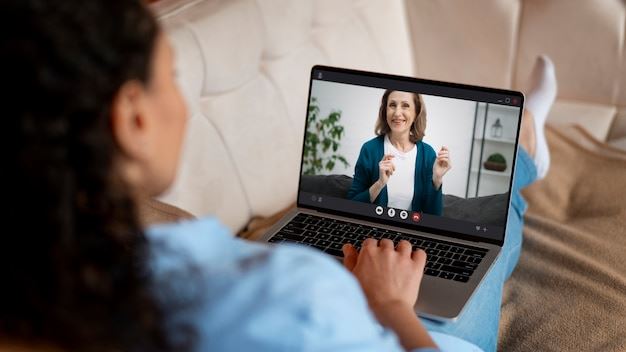
In recent years, mental health teletherapy has revolutionized access to mental health services across the United States. With technological advancements and shifting societal attitudes toward mental health, teletherapy has become a crucial resource for millions seeking support. This article delves into the evolution, benefits, challenges, and future prospects of mental health teletherapy, providing a comprehensive perspective for patients, providers, and policymakers.
The Rise of Mental Health Teletherapy in the US
The adoption of teletherapy in the United States has accelerated dramatically, especially in response to the COVID-19 pandemic. Lockdowns and social distancing measures limited in-person interactions, prompting a surge in virtual mental health services. According to industry reports, over 70% of mental health professionals now incorporate teletherapy into their practice, marking a significant shift from traditional face-to-face therapy models.
Historical Context and Technological Advancements
Historically, mental health treatment relied heavily on in-person visits, often facing barriers such as geographic limitations and stigma. The advent of secure video conferencing platforms like Zoom, Teladoc, and BetterHelp has enabled therapists and clients to connect safely from any location. Advances in encryption and HIPAA-compliant solutions have addressed confidentiality concerns, making teletherapy a trusted option.
The Benefits of Mental Health Teletherapy
Accessibility and Convenience
One of the most significant advantages is increased access, especially for individuals living in rural or underserved areas. Teletherapy removes geographical barriers, allowing patients to receive care without long commutes or relocation. It is particularly beneficial for those with mobility issues, busy schedules, or caregiving responsibilities.
Cost-Effectiveness
Virtual sessions often reduce costs associated with travel, childcare, and time off work. Insurance coverage for mental health teletherapy has expanded, making it an affordable alternative for many Americans.
Enhanced Privacy and Comfort
Engaging in therapy from the comfort of home can reduce stigma and increase willingness to seek help. Patients often feel more relaxed and open in familiar environments, facilitating more effective therapeutic outcomes.
Challenges and Limitations of Mental Health Teletherapy
Technical and Connectivity Issues
While technology offers many benefits, connectivity problems can disrupt sessions, impacting treatment continuity. Users need reliable internet and compatible devices to ensure seamless interactions.
Quality of Care and Diagnostic Limitations
Some mental health conditions may require in-person assessments or interventions. Teletherapy may not be suitable for crisis situations or severe cases such as suicidal ideation or acute psychosis.
Privacy and Security Concerns
Despite robust encryption, the risk of data breaches remains. Both providers and patients must adhere to strict security protocols to protect sensitive information.
The Future of Mental Health Teletherapy in the United States
As teletherapy continues to evolve, experts predict broader integration with healthcare systems, increased insurance coverage, and technological innovations like AI-assisted therapy. Policy changes at the federal and state levels are influencing accessibility, and ongoing research aims to validate efficacy across diverse populations.
Real-World Scenarios and Expert Perspectives
Case Study: Rural Community Outreach
A community health center in rural Montana implemented teletherapy programs, significantly reducing mental health gaps. Patients reported higher satisfaction and better symptom management, highlighting teletherapy’s potential to serve marginalized populations.
Expert Commentary
Dr. Jane Smith, a licensed clinical psychologist, emphasizes, “Mental health teletherapy is not just a convenient option but a necessary evolution in mental healthcare. It increases access, reduces stigma, and can be tailored to individual needs.”
Conclusion: Embracing Teletherapy for Better Mental Health Outcomes
With its myriad benefits and ongoing advancements, mental health teletherapy stands as a vital component of the future mental health landscape in the United States. As stakeholders continue to optimize delivery models and address existing challenges, teletherapy promises to expand access, improve treatment outcomes, and normalize seeking help for mental health concerns.