The Ultimate Guide to Gout Diet: Strategies for Managing Gout Through Nutrition
Learn how to effectively manage gout through a targeted gout diet. This comprehensive guide covers essential dietary principles, lifestyle modifications, and practical tips to reduce uric acid levels, prevent flare-ups, and improve joint health. Discover expert advice, real-world strategies, and a step-by-step approach to integrating healthy foods for lasting results.

Understanding Gout and Its Connection to Diet
Gout is a form of inflammatory arthritis characterized by sudden, intense pain, redness, and swelling in the joints, often the big toe. It results from the accumulation of uric acid crystals, which form when the body either produces too much uric acid or fails to eliminate it efficiently. Diet plays a crucial role in managing gout since certain foods can elevate uric acid levels, triggering flare-ups.
Key Principles of a Gout Diet
Reducing Purine-Rich Foods
Foods high in purines, such as red meats, organ meats, and seafood like shellfish, significantly increase uric acid production. Limiting these foods is essential for preventing gout attacks. Instead, choose plant-based proteins like legumes and tofu, which contain lower purine levels.
Incorporating Anti-Inflammatory Foods
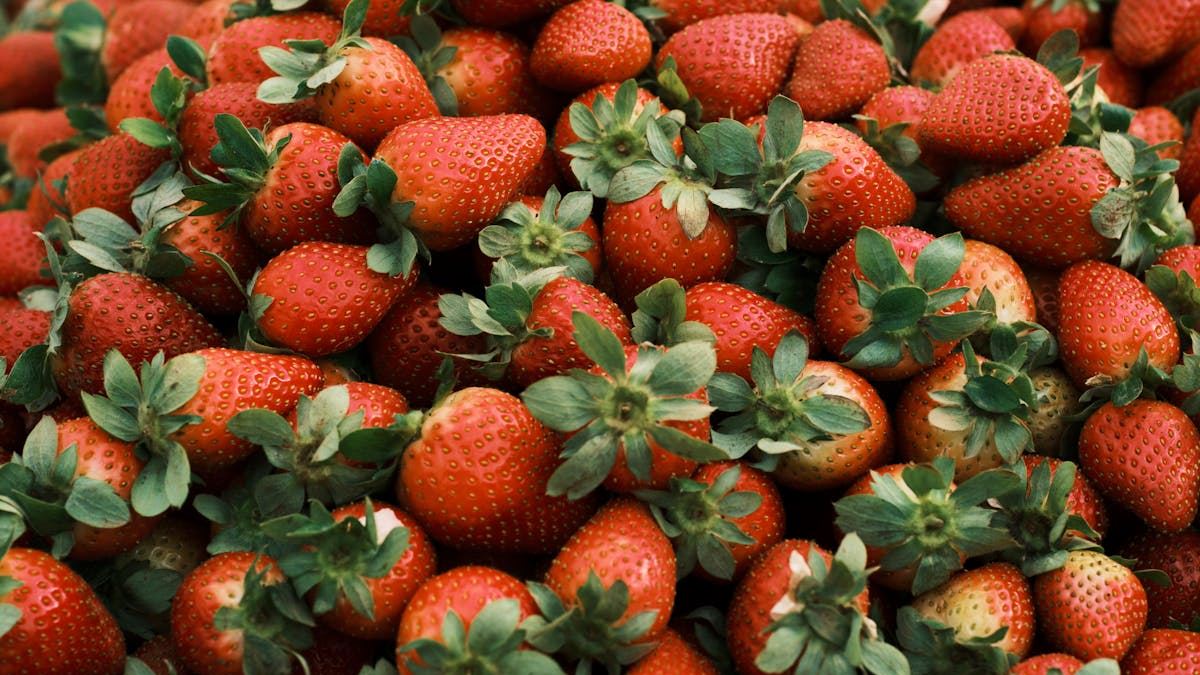
Foods rich in antioxidants and anti-inflammatory properties can help reduce joint inflammation. Berries, cherries, and leafy greens are excellent choices. Cherry consumption, in particular, has been linked to a decreased risk of gout attacks due to its ability to lower uric acid levels.
Hydration and Fluid Intake
Drinking plenty of water is vital in flushing out uric acid from the system. Aim for at least 8-10 glasses a day. Avoid sugary beverages and alcohol, especially beer, as they can elevate uric acid levels.
Lifestyle Modifications Supporting a Gout Diet
Maintaining a healthy weight is crucial, as obesity increases gout risk. Regular exercise, combined with dietary management, helps reduce uric acid levels and improve overall joint health. Manage stress and avoid dehydration to further decrease flare-up frequency.
Practical Tips and Meal Planning
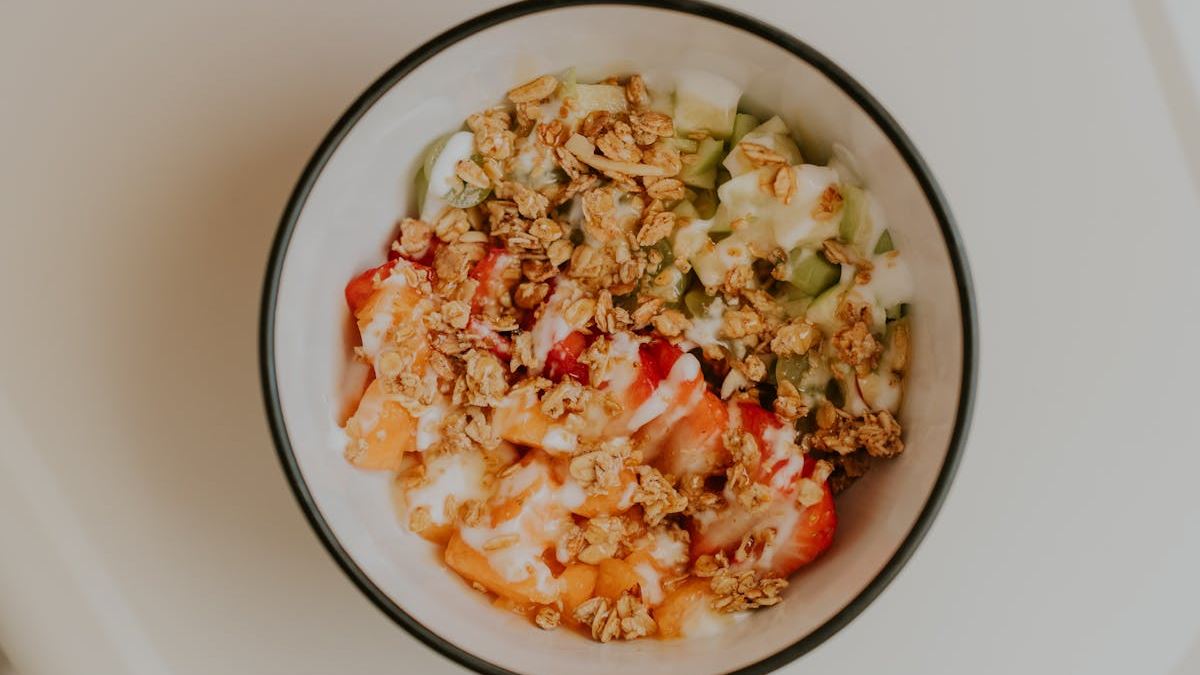
Create meal plans that emphasize vegetables, whole grains, and low-fat dairy products. Experiment with herbs and spices for flavor instead of salt or sugary sauces. Read food labels carefully to avoid hidden purines and additives that may trigger gout symptoms.
Consulting Healthcare Professionals
A healthcare provider can tailor a gout diet plan based on individual health needs, medication requirements, and lifestyle factors. Regular monitoring of uric acid levels helps in adjusting dietary habits effectively.
Making Sustainable Changes
Implementing a gout diet should be a gradual process. Building healthier eating habits over time encourages long-term compliance and reduces the risk of recurrent flare-ups. Remember, diet is a key component of comprehensive gout management in conjunction with medications and lifestyle changes.