Revolutionizing Small Restaurants with the Perfect POS System
Discover how a small restaurant POS system can transform your dining establishment with streamlined operations, improved customer service, and insightful data analytics. This comprehensive guide covers features, benefits, and implementation strategies tailored for small restaurants in the United States, helping you choose the right technology to boost your business success.
Introduction: Why a Small Restaurant POS System Matters
Understanding the Core Functions of a Small Restaurant POS System
Streamlined Order Management
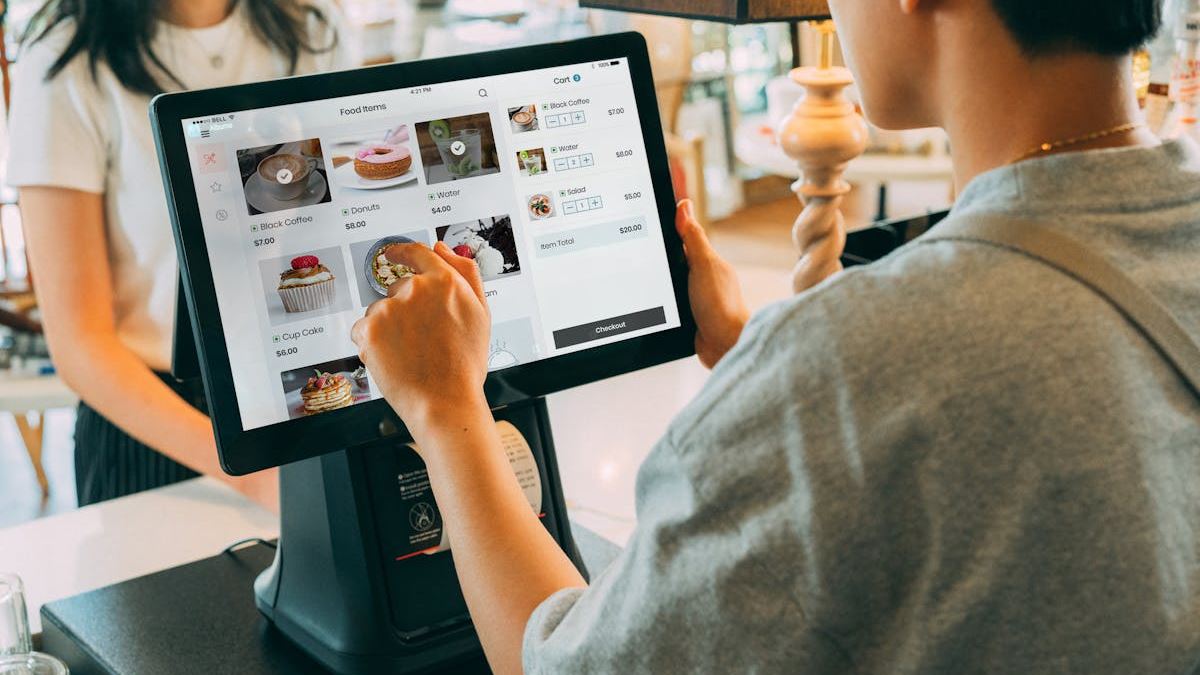
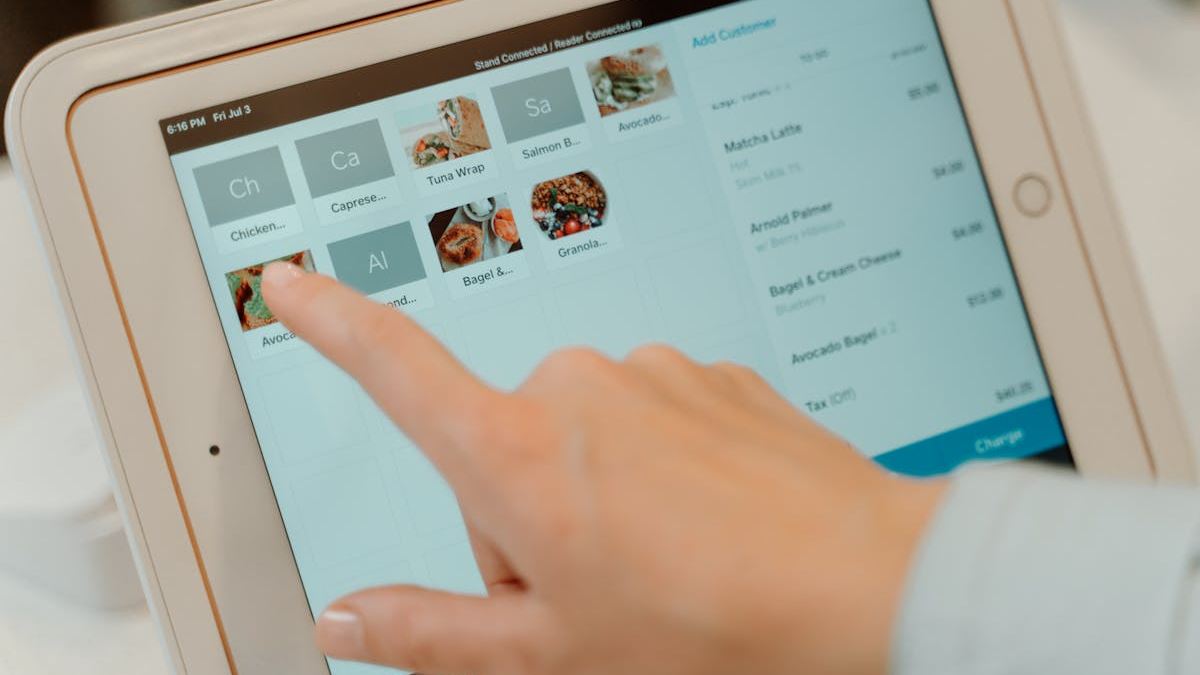
One of the primary functions of a small restaurant POS system is to simplify order taking. Whether manually inputting orders or integrating with table-side devices, these systems reduce errors and speed up service. In a typical scenario, servers use tablets connected to the POS to relay orders directly to the kitchen, minimizing miscommunication and delays.
Inventory Tracking and Management
Effective inventory control is vital for small restaurants to avoid overstocking or shortages. Modern POS systems automatically track ingredient usage, alerting owners when stock levels are low and generating purchase orders. This proactive approach helps maintain freshness and reduces waste, directly impacting profitability.
Sales and Revenue Analysis
Data-driven decision making is a game-changer for small restaurateurs. POS systems offer detailed sales reports, revealing best-selling items, peak hours, and customer preferences. Such insights assist owners in menu engineering, staffing, and marketing efforts to maximize revenue.
Key Features to Look for in a Small Restaurant POS System
User-Friendly Interface
Small restaurant staff must adapt quickly to new technology. An intuitive, easy-to-navigate interface reduces training time and minimizes errors, ensuring smooth daily operations.
Mobility and Hardware Compatibility
In fast-paced environments, mobile POS devices allow servers to take orders at the table, enhance customer experience, and increase table turnover. Compatibility with hardware like printers, scanners, and cash drawers is equally important.
Integration Capabilities
A comprehensive small restaurant POS system should seamlessly integrate with accounting software, online ordering platforms, and loyalty programs. Such integrations streamline workflows and provide a holistic view of your business.
The Benefits of Implementing a Small Restaurant POS System
Enhanced Customer Service
Fast, accurate order processing improves customer satisfaction. POS systems can remember customer preferences, enable personalized promotions, and facilitate faster checkout.
Operational Efficiency and Cost Savings
Automating routine tasks reduces labor costs and minimizes errors, saving both time and money. Additionally, accurate inventory management prevents waste and over-ordering.
Compliance and Security
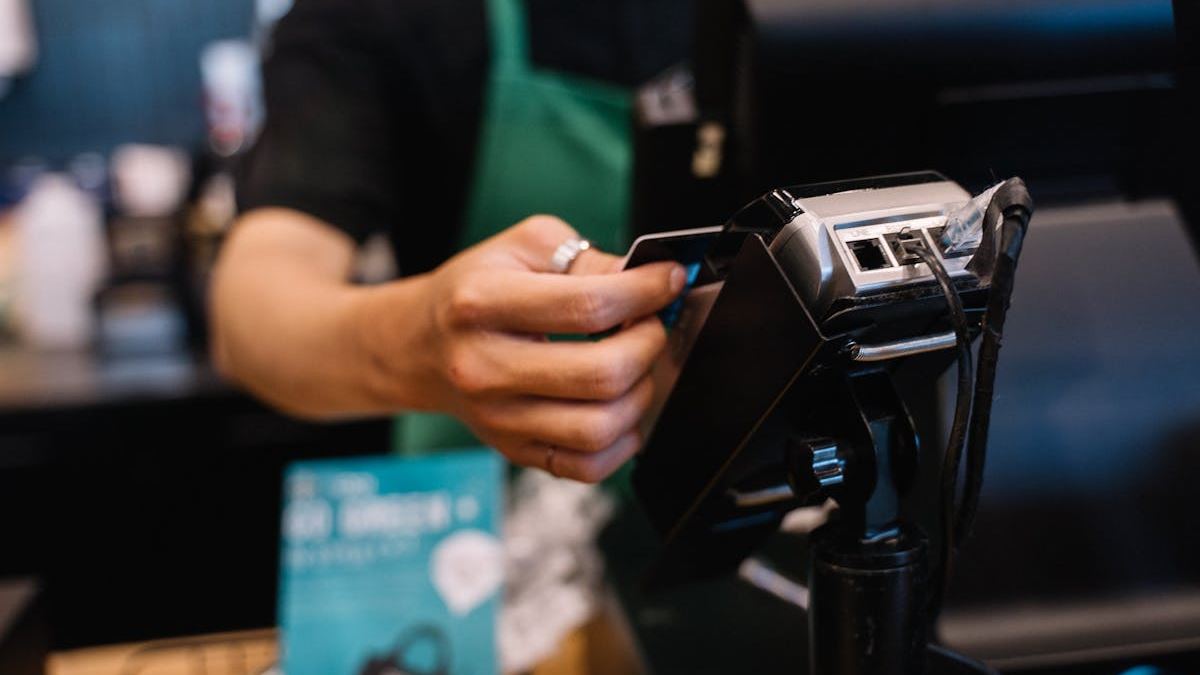
Encryption and PCI compliance features protect sensitive customer data. A reliable POS system ensures your restaurant adheres to legal standards, avoiding penalties and legal risks.
Choosing the Right Small Restaurant POS System: A Step-by-Step Guide
Assess Your Business Needs
Identify your restaurant's unique requirements, such as seating capacity, menu complexity, and online ordering. This assessment guides feature selection.
Research and Compare Options
Consider reputable POS providers, read reviews, and request demos. Focus on scalability, customer support, and cost.
Test for Compatibility and Usability
Ensure the system integrates with existing hardware and is intuitive for staff. Pilot testing can reveal unforeseen issues before full deployment.
Implementation and Training: Making Your POS Transition Smooth
Staff Training
Invest in thorough training sessions to familiarize staff with the new system, emphasizing troubleshooting and customer interaction.
Data Migration and Setup
Import existing data carefully and customize the system to fit your menu, discounts, and reporting needs.
Monitoring and Optimization
Regularly review system performance and gather staff feedback for ongoing improvements.
Real-World Success Stories
Future Trends in Restaurant POS Technology