Unlocking Success in the Restaurant Industry: The Comprehensive Guide to Restaurant Accounting Software
Discover how restaurant accounting software transforms financial management for U.S. restaurants. This comprehensive guide explores features, benefits, selection tips, and real-world examples to help restaurant owners optimize operations, ensure compliance, and boost profitability through tailored financial solutions.

Introduction: The Vital Role of Restaurant Accounting Software in Modern Dining Businesses
Owning and managing a restaurant in the United States involves juggling multiple facets including customer service, inventory management, staff scheduling, and financial oversight. Among these, maintaining accurate and efficient financial records stands out as a critical component for success and sustainability. Restaurant accounting software has evolved into an indispensable tool, enabling restaurateurs to gain real-time financial insights, streamline operations, and ensure compliance with tax regulations. This article explores the multifaceted advantages of restaurant accounting software, how to choose the right solution, and real-world scenarios illustrating its transformative impact.
Understanding the Importance of Restaurant Accounting Software
Running a restaurant involves complex financial transactions daily—covering sales, payroll, vendor payments, and taxes. Manual bookkeeping methods or generic accounting tools often fall short in addressing the unique needs of the foodservice industry, leading to errors, delays, and potential compliance issues. Recognizing this, industry experts advocate for dedicated restaurant accounting software, which offers tailored features designed specifically for hospitality businesses.
Key Features of Effective Restaurant Accounting Software
Point of Sale (POS) Integration
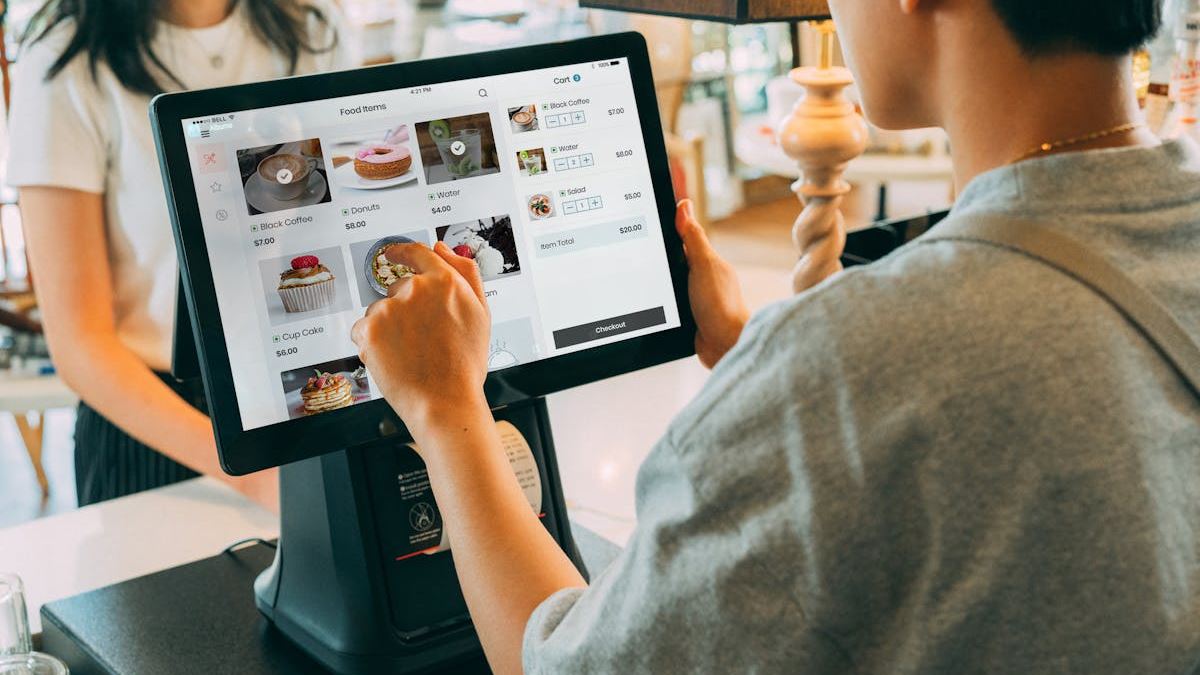
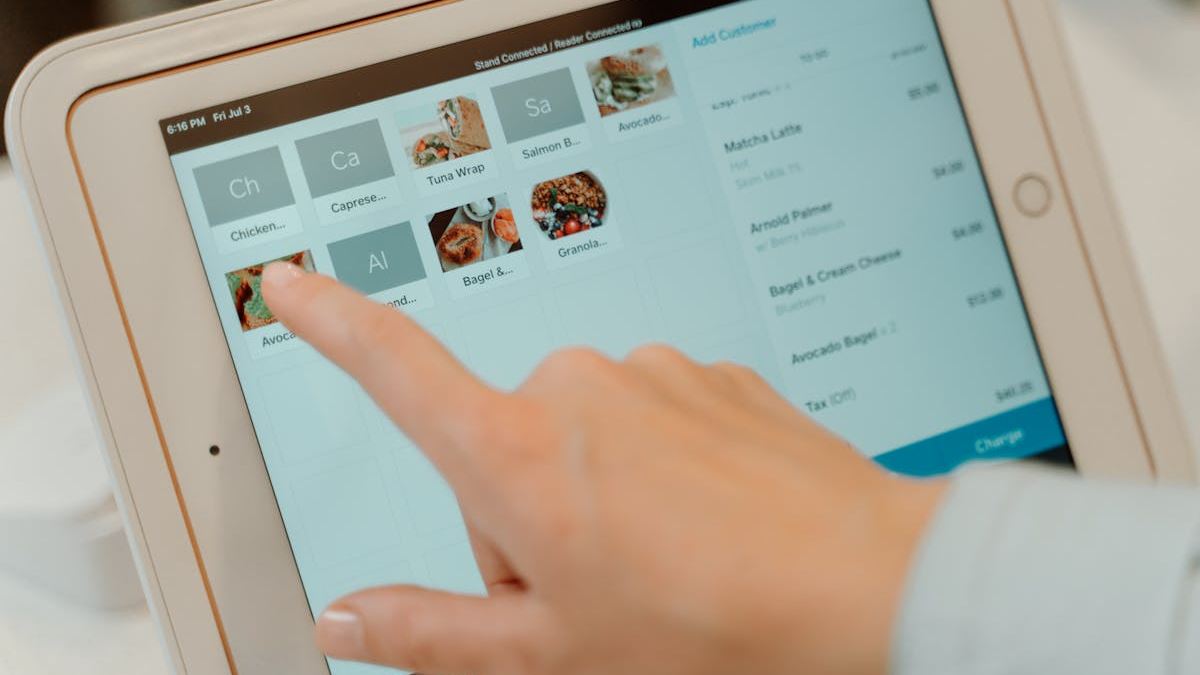
Seamless integration with POS systems ensures that sales data flows directly into accounting modules, reducing manual entry errors and providing real-time revenue tracking.
Inventory Management
Tracking ingredient usage and inventory levels helps control costs and reduce waste, ensuring accurate financial reporting of inventory assets.
Payroll Processing
Automated payroll features reconcile employee hours with wages, tips, and taxes, simplifying compliance with federal and state regulations.
Financial Reporting & Analytics
Robust reporting tools enable restaurateurs to analyze profit margins, cost of goods sold, and sales trends, facilitating strategic decision-making.
Tax Management & Compliance
The software helps in preparing tax reports and ensures proper handling of sales tax, payroll taxes, and other statutory requirements specific to the hospitality industry.
Real-World Scenarios: How Restaurants Benefit from Restaurant Accounting Software
Consider a mid-sized family-owned restaurant chain that struggled with manual record-keeping, leading to discrepancies during tax season. After adopting a dedicated restaurant accounting software, they experienced faster and more accurate financial reporting, ultimately saving thousands of dollars in penalties and missed deductions. Similarly, a small cafe utilizing inventory management tools was able to reduce food waste by 15%, boosting profitability.
Choosing the Right Restaurant Accounting Software: Factors to Consider
Business Size and Complexity
Smaller cafes may prefer simple, cost-effective solutions, while larger chains require comprehensive platforms capable of handling multiple locations and complex payroll.
Ease of Use & Customer Support
Intuitive interfaces and responsive customer service are vital for busy restaurant teams with limited accounting expertise.
Integration Capabilities
The software should seamlessly integrate with existing POS systems, banking platforms, and payroll providers to ensure data accuracy and operational efficiency.
Cost & ROI
Investing in a quality restaurant accounting software must demonstrate clear return on investment through time savings, error reduction, and improved financial insights.
Implementation Tips and Best Practices
A successful transition to new restaurant accounting software requires careful planning:
- Training staff: Ensure all users are educated on the platform’s features.
- Data Migration: Clean and prepare existing financial data for smooth transfer.
- Regular Updates & Maintenance: Keep the software up-to-date and audit data periodically for accuracy.
- Consultation with Experts: Work with accounting professionals familiar with hospitality to optimize setup and usage.
Future Trends in Restaurant Accounting Software
The industry is witnessing rapid technological advancements, including AI-driven analytics, mobile-first solutions, and integrated supply chain management modules. As more restaurants adapt to digital transformation, restaurant accounting software will become even more integral to operational success, offering predictive insights and automated compliance updates.
Conclusion: Embracing Technology for Financial Mastery
In the competitive landscape of the U.S. restaurant industry, leveraging the right restaurant accounting software can mean the difference between business growth and financial mismanagement. Careful selection, implementation, and ongoing maintenance of these systems empower restaurateurs to stay ahead, make informed decisions, and deliver exceptional dining experiences while maintaining fiscal responsibility.