Maximize Your Home’s Potential: A Comprehensive Guide to Energy-Efficient Home Improvements
Discover practical strategies for making your home more energy-efficient with our comprehensive guide. Learn about insulation, window upgrades, HVAC improvements, and solar options to reduce costs and enhance comfort. Perfect for homeowners seeking sustainable home improvement solutions in the United States.
Introduction: Embracing Energy Efficiency in Home Improvement
In today’s world, homeowners across the United States are increasingly prioritizing sustainable and cost-effective living. One of the most impactful ways to achieve this goal is through home improvement energy efficient upgrades. Not only do these improvements reduce utility bills, but they also contribute to a healthier planet. This comprehensive guide delves into practical strategies, expert insights, and real-world scenarios to help you transform your home into an energy-efficient sanctuary.
Understanding the Importance of Energy-Efficient Homes
Environmental and Financial Benefits
Energy-efficient homes significantly lessen carbon footprints by reducing the reliance on fossil fuels. Financially, homeowners see reductions in heating, cooling, and electricity bills, often recouping initial investments within a few years. According to energy experts, upgrading insulation, windows, and HVAC systems can improve a home’s energy performance by up to 30%.
Enhancing Comfort and Home Value
Beyond savings, energy-efficient improvements create a more comfortable living environment. Better insulation and high-quality windows help maintain consistent indoor temperatures, reducing drafts and noise. Additionally, these upgrades increase property value, appealing to future buyers looking for sustainable features.
Key Home Improvement Energy Efficient Strategies
Insulation and Air Sealing
Proper insulation in walls, attics, and basements forms the foundation of an energy-efficient home. Air sealing around gaps, doors, and windows prevents energy loss, making heating and cooling systems more effective. Professionals recommend using blower door tests to identify leaks effectively.
Upgrading Windows and Doors
Replacing old, single-pane windows with ENERGY STAR certified options dramatically enhances energy efficiency. Low-emissivity (Low-E) coatings and insulated frames prevent heat transfer, keeping homes warmer in winter and cooler in summer.
Heating, Ventilation, and Air Conditioning (HVAC) Improvements
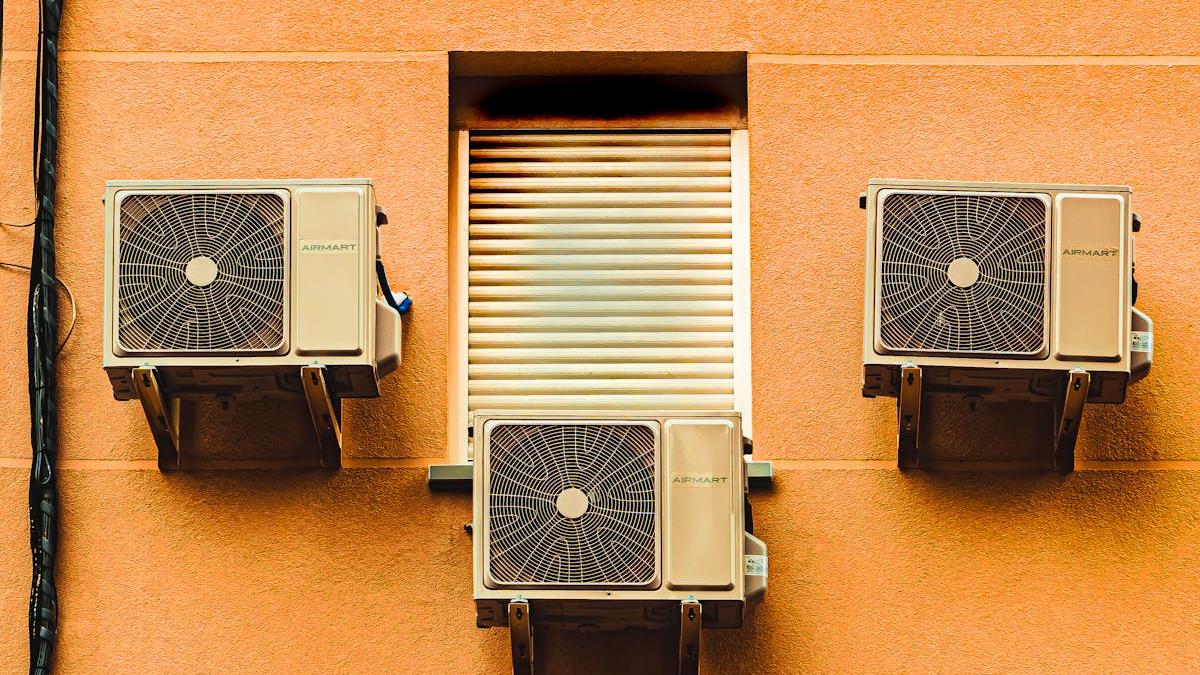
Modern HVAC systems, such as variable speed units and smart thermostats, optimize energy use. Regular maintenance ensures peak performance. Geothermal heat pumps and ductless mini-splits are excellent options for energy-efficient heating and cooling, especially in retrofit projects.
Adding Solar Power
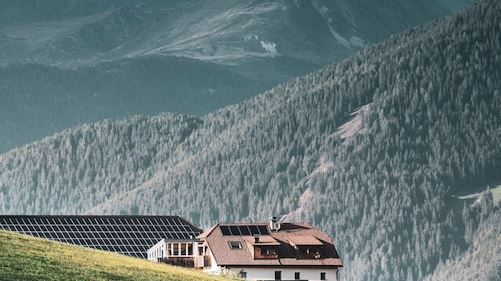
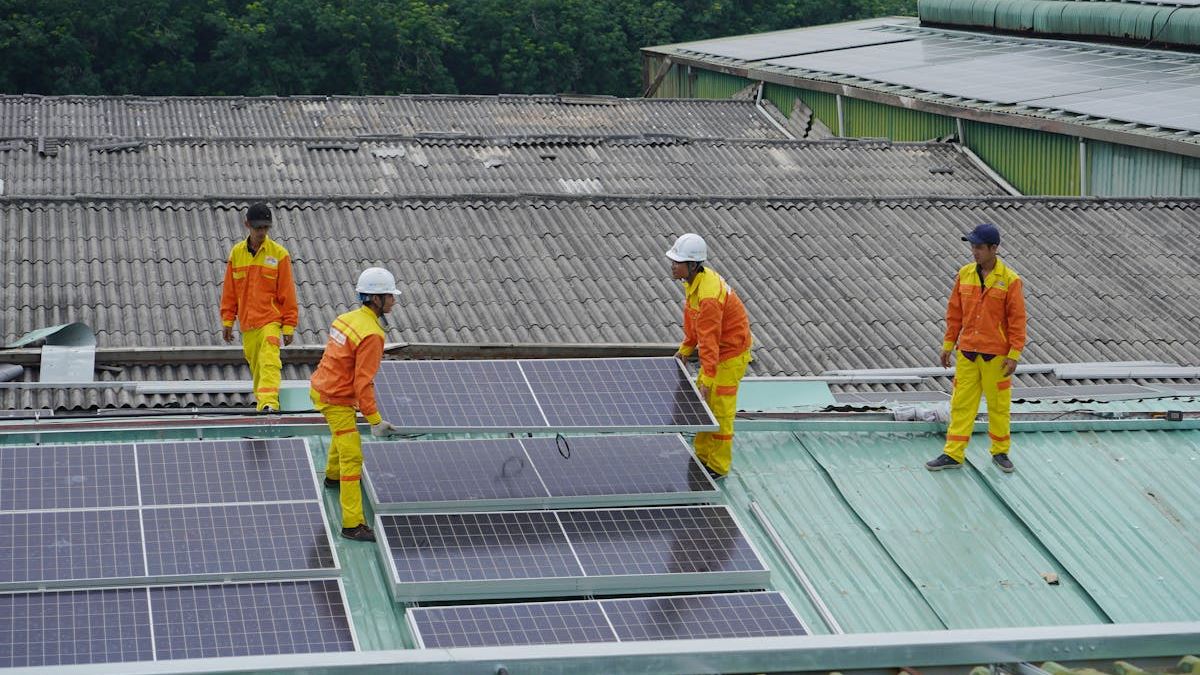
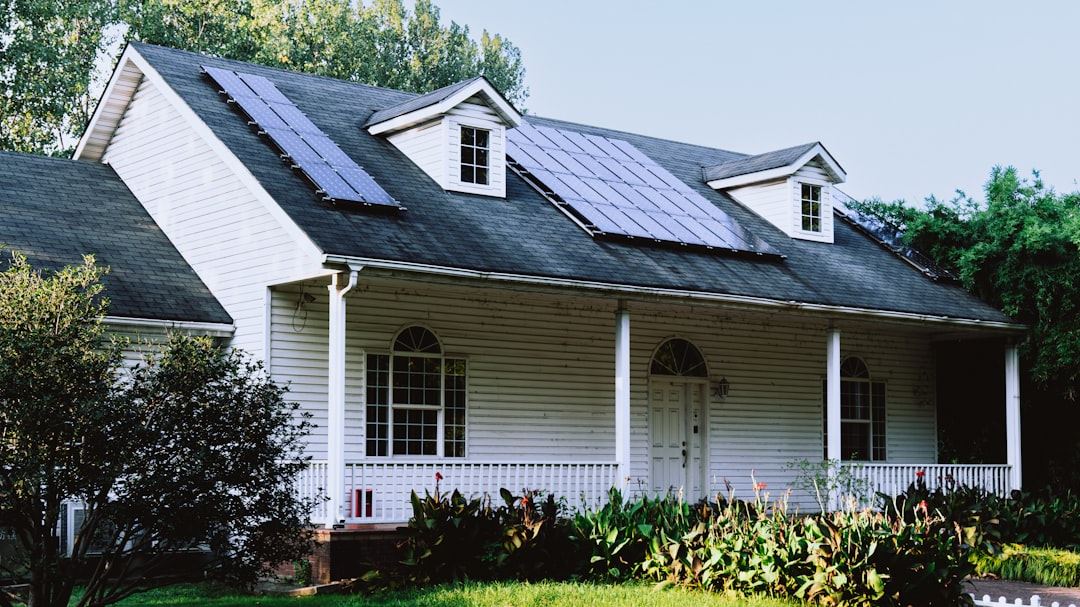
Installing solar panels enables homeowners to generate their own electricity, reducing dependence on the grid and lowering utility bills. Advances in solar technology have made systems more affordable and efficient, with many states offering incentives and tax credits to support adoption.
Real-World Scenarios and Case Studies
Consider the case of a homeowner in California who invested in high-efficiency windows, added insulation, and installed a smart thermostat. Over three years, they cut their energy bills by 40%, and their home’s comfort level improved notably. Another example involves a family in Texas who adopted solar panels and switched to a ductless HVAC system, realizing significant long-term savings and contributing to environmental conservation.
Experts emphasize the importance of consulting certified home energy auditors who can assess specific needs and recommend tailored upgrades. These professionals utilize advanced diagnostic tools to identify inefficiencies and create actionable improvement plans.
Overcoming Common Challenges in Implementing Energy-Efficient Home Improvements
Cost Considerations and Financing Options
The upfront costs of energy-efficient upgrades can seem daunting. However, numerous financing options, including federal tax credits, state incentives, and low-interest loans, make these investments more accessible. Additionally, many utility companies offer rebates for energy-saving appliances and upgrades.
DIY vs. Professional Installation
While some improvements, like sealing leaks or adding insulation, can beDIYprojects, more complex tasks require professional expertise to ensure safety and efficiency. Choosing certified contractors ensures quality workmanship and adherence to energy standards.
The Future of Home Improvement Energy Efficient Trends
Emerging technologies such as smart home automation, energy storage systems, and advanced building materials are shaping the future of home improvement energy efficient initiatives. As these innovations become more affordable, homeowners can expect even greater opportunities to enhance sustainability and savings.
Conclusion: Taking the Next Step Towards a Sustainable Home
Energy efficiency in home improvement is not just a trend but a necessary shift towards sustainability and cost savings. By understanding the key strategies, embracing innovative technologies, and seeking expert guidance, homeowners in the United States can make meaningful improvements that benefit both their wallets and the environment. Start your journey today and realize the full potential of your home’s energy performance.