Understanding Yeast Infection Skin Rash: Causes, Symptoms, and Effective Treatments
Discover comprehensive insights into yeast infection skin rash, including causes, symptoms, diagnosis, treatment options, and preventive strategies. Learn from expert advice and real-world scenarios to better understand this common skin condition and how to manage it effectively.

Introduction to Yeast Infection Skin Rash
Yeast infection skin rash is a common skin condition caused by an overgrowth of the fungus Candida, leading to uncomfortable symptoms and skin irritation. Although often associated with other infections, yeast infection skin rash can affect different parts of the body, including the groin, underarms, and folds of the skin.
Causes and Risk Factors of Yeast Infection Skin Rash
The primary culprit behind yeast infection skin rash is an imbalance in the body's natural flora, allowing Candida to multiply excessively. Contributing factors include excessive sweating, poor hygiene, antibiotic use, immune suppression, and hot, humid climates typical in many parts of the United States.
Recognizing the Symptoms
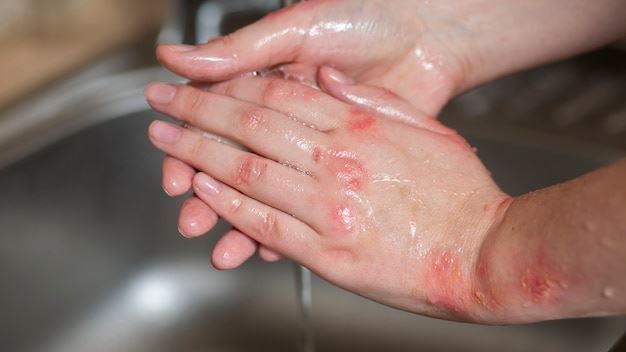
Symptoms of a yeast infection skin rash vary depending on the location but commonly include redness, itching, soreness, and a distinct rash with well-defined edges. In some cases, there may be a white, flaky appearance or moist patches with a thrush-like texture.
Differentiating Yeast Infection from Other Skin Conditions
Many skin conditions, such as eczema, contact dermatitis, or bacterial infections, can resemble a yeast infection skin rash. Accurate diagnosis requires expert evaluation, often involving skin scrapings or cultures to identify Candida overgrowth.
Effective Treatment Options
Treatment for yeast infection skin rash typically involves antifungal medications, either topical or oral depending on severity. Topical treatments like clotrimazole or miconazole are commonly prescribed and effective. Keeping the affected area dry and clean, wearing loose clothing, and avoiding irritants can speed recovery.
Preventive Measures
Prevention plays a crucial role in managing yeast infection skin rash. Maintain proper hygiene, minimize skin moisture through frequent drying, wear breathable fabrics, and avoid unnecessary antibiotic use. Managing underlying health conditions, such as diabetes, is also critical.
When to Seek Medical Advice
If symptoms persist beyond a week, worsen, or if the rash spreads significantly, consulting a healthcare professional is essential. In cases of recurrent yeast infections, further investigation might be needed to explore underlying causes.
Expert Commentary and Real-World Scenarios
Dr. Jane Smith, a dermatologist specializing in fungal skin infections, emphasizes the importance of early intervention. She notes that many patients delay treatment, leading to prolonged discomfort and potential secondary bacterial infections. Practical scenarios including athletes and individuals with compromised immune systems highlight the need for personalized treatment plans.
Conclusion
Understanding yeast infection skin rash is vital for effective management and prevention. With proper diagnosis and targeted treatment, most patients recover fully. Education about risk factors and everyday preventive measures can significantly reduce recurrence, improving quality of life for those affected.