Recognizing Skin Infection Looks Like: A Comprehensive Guide to Understand the Signs
This comprehensive guide helps readers recognize what skin infection looks like, differentiating it from other skin conditions through vivid descriptions, real-world scenarios, and expert insights. Learn to identify common signs and symptoms to seek prompt medical attention and ensure effective treatment for various skin infections.
Understanding Skin Infections and Their Appearance
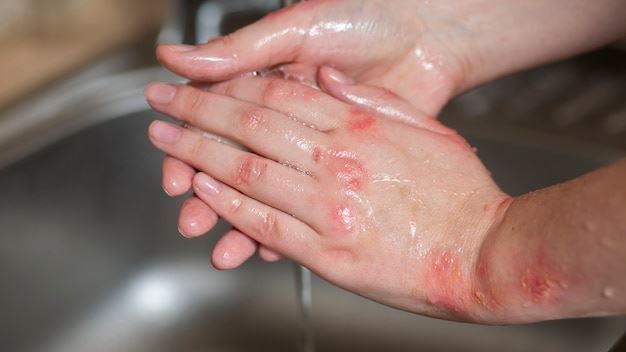
Skin infections are a common concern for many individuals, and recognizing their appearance is crucial for early diagnosis and treatment. When a skin infection looks like other benign skin conditions, it can be challenging to distinguish between them. This guide aims to provide an in-depth look at various skin infections, their distinctive features, and when to seek medical attention.
Common Types of Skin Infections and Their Visual Clues
Bacterial Skin Infections
Bacterial infections such as cellulitis and impetigo often present with redness, swelling, and warmth. Cellulitis typically appears as an expanding area of redness that may be tender and hot to the touch. It can look like a runny, spreading rash but may also resemble a skin rash that looks like other dermatological conditions. Impetigo manifests as honey-colored crusts, often around the nose and mouth, and can be mistaken for dermatitis.
Fungal Skin Infections
Fungal infections like ringworm (tinea corporis) generally look like ring-shaped, red, scaly patches with clearer centers. These can be confused with psoriasis or eczema, especially when the margins are not well-defined.
Viral Skin Infections
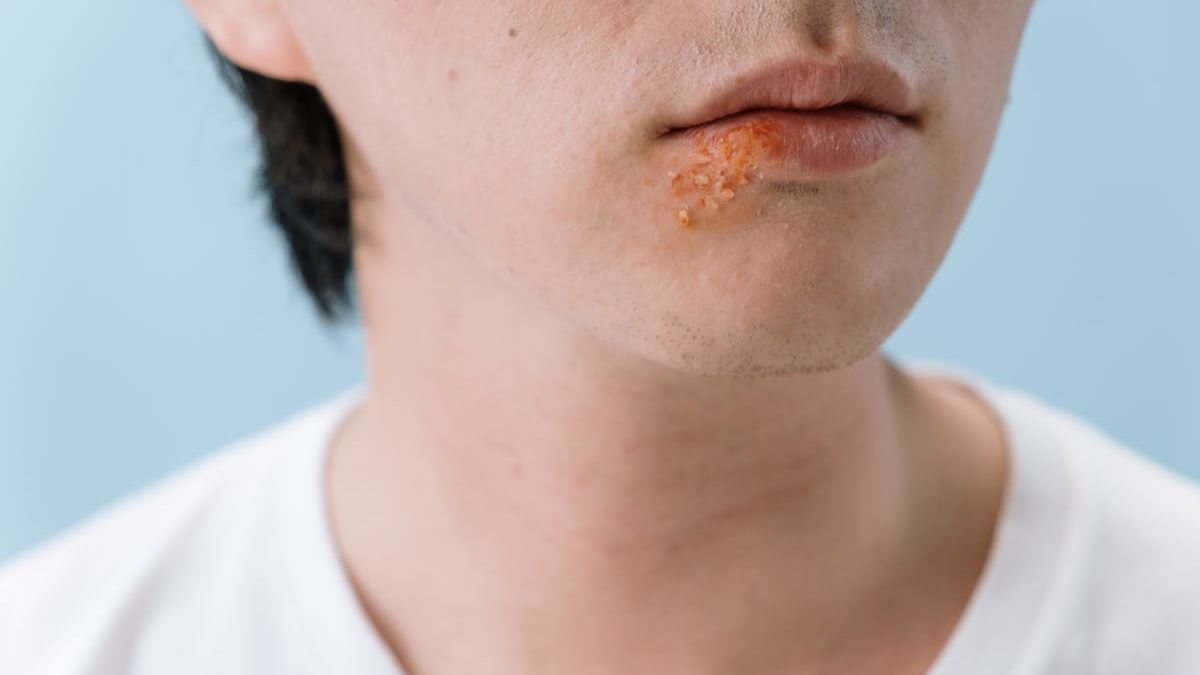
Viral infections such as herpes simplex virus cause vesicular eruptions—small, fluid-filled blisters clustered on an erythematous base. These look like cold sores or fever blisters but can also resemble other blistering skin conditions.
Identifying Skin Infection Looks Like in Real-World Scenarios
Imagine a patient presenting a swollen, red patch on their leg that rapidly increases in size, accompanied by warmth and tenderness. The clinician might suspect cellulitis, which can look like a skin rash or allergic reaction but requires prompt antibiotics. Alternatively, a person develops a ring-shaped rash on their torso that scales and clears toward the center; this is characteristic of ringworm, a fungal infection that looks like other dermatitis.
Understanding these visual clues helps differentiate skin infections from other dermatological issues and guides appropriate treatment.
Expert Insights on Skin Infection Looks Like and Differential Diagnosis
Dermatologists emphasize the importance of considering factors such as pattern, borders, presence of crusts or vesicles, and associated systemic symptoms when assessing skin lesions. For example, a sharply marginated, scaly patch may be psoriasis, but if it is scaly with a honey-colored crust, impetigo becomes more likely. A healthcare provider may perform skin scrapings, cultures, or blood tests to confirm the diagnosis when the skin infection looks like another condition.
Specialist opinions highlight that early recognition can prevent complications, especially in immunocompromised individuals where infections can rapidly worsen and mimic other skin conditions.
When to Seek Medical Advice for Skin Infection Looks Like
If you notice a skin lesion that is rapidly enlarging, intensely painful, oozing, or accompanied by fever or malaise, seek medical attention promptly. Some skin infections resemble benign conditions but may require antibiotics, antifungal medications, or other interventions. Avoid self-diagnosing and self-medicating, especially when the skin infection looks like something unfamiliar or worsening.
Preventing and Managing Skin Infections
Maintaining good hygiene, keeping skin moisturized, and avoiding skin trauma are key to preventing infections. If a skin infection looks like an infection, following healthcare advice for treatment—including medications and skincare—is essential for a swift recovery.
In conclusion, understanding what a skin infection looks like and being vigilant about changes in skin appearance can significantly impact health outcomes. Early diagnosis and treatment are vital, so consulting a healthcare professional for any concerning skin lesion is always recommended.